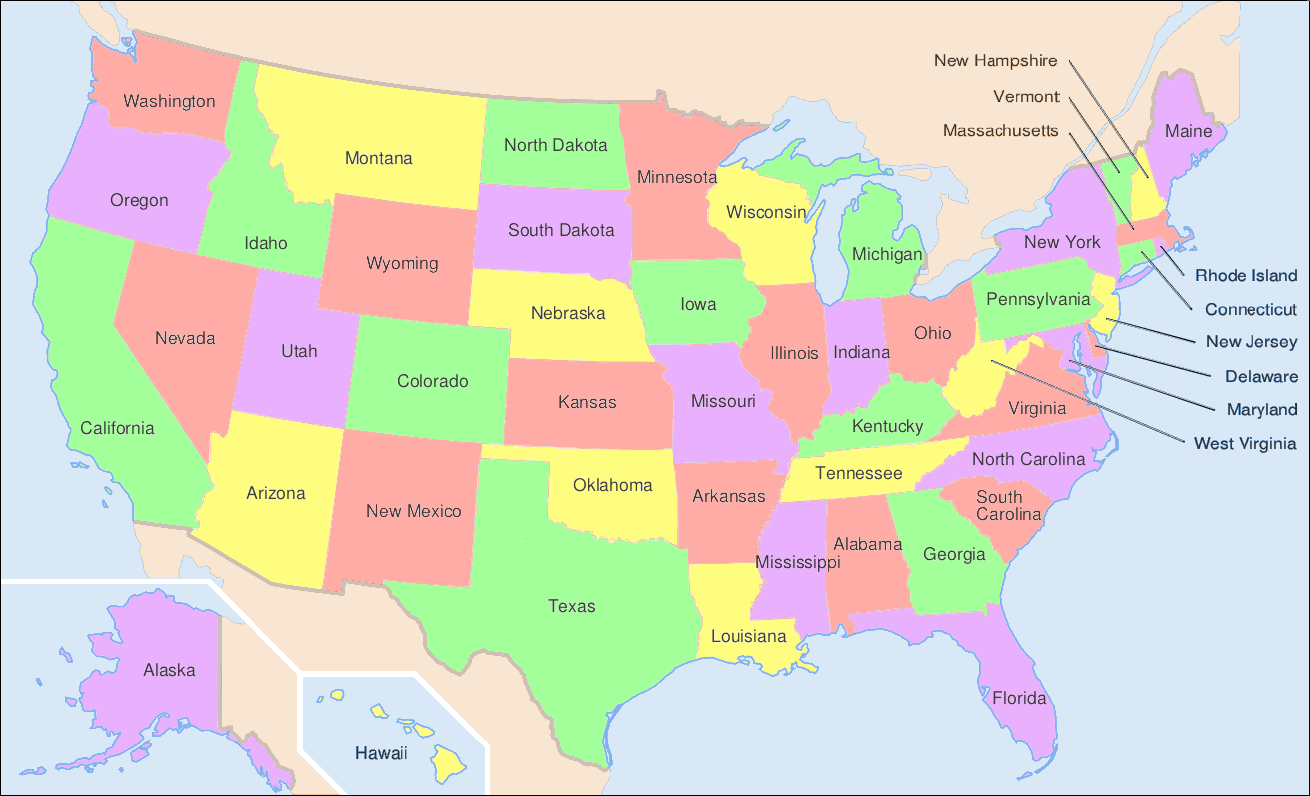
When people ask which state is MA, they are referring to Massachusetts, one of the original thirteen colonies and a cornerstone of American history. Its official name is the Commonwealth of Massachusetts, a designation it shares with only three other U.S. states. Located in the northeastern corner of the United States, it spans approximately 10,565 square miles and houses over 7.1 million residents.
Understanding what MA stands for requires looking beyond postal codes into its unique legal status, geographic boundaries, and cultural footprint. Whether you're researching regional geography or preparing for a trivia challenge, here is a complete breakdown of what defines the Commonwealth of Massachusetts.
Official Name and Why It Is a Commonwealth
The official name of the state is the Commonwealth of Massachusetts. While colloquially and legally functioning as a U.S. state with the exact same constitutional rights and representation as the other 49 states, the term "commonwealth" reflects a historic choice in political phrasing.
Under the Massachusetts Constitution adopted in 1780—the oldest functioning written constitution in the world—the founders chose the word to signify a political community founded for the common good. Historically, it emphasized that governance derived its authority from the people rather than a monarch. Four states currently use this designation: Massachusetts, Virginia, Pennsylvania, and Kentucky. None of them possess any different legal powers than states like New York or California, but the title remains a point of proud local tradition.
Geographic Location and Borders
Massachusetts is situated in the New England region of the northeastern United States. It shares land borders with five other states and is defined heavily by its maritime access.
- North: Bordered by Vermont and New Hampshire.
- West: Bordered by New York.
- South: Bordered by Connecticut and Rhode Island.
- East: Bounded entirely by the Atlantic Ocean.
The state's topography varies sharply from east to west. The eastern coastline features major indentations like Massachusetts Bay and Cape Cod Bay, giving rise to its primary nickname, The Bay State. Moving inland, the terrain shifts into rolling hills before reaching the Connecticut River Valley and the Berkshire Hills in the far western portion of the state. The highest point is Mount Greylock, which climbs to an elevation of 3,489 feet.
Core Statistics and Demographics
To understand the scale and economic footprint of MA, several key metrics stand out:
- Capital and Largest City: Boston
- Postal Abbreviation: MA
- Date of Statehood: February 6, 1788 (6th state to ratify the Constitution)
- Population: Approximately 7.15 million residents
- Population Density: Third most densely populated state in the nation
- Number of Counties: 14
According to data compiled by the U.S. Census Bureau, the state consistently ranks near the top nationwide for median household income, educational attainment, and healthcare access.
Historical Significance and Cultural Impact
Massachusetts played an outsized role in shaping early American history. It was the landing site of the Pilgrims in 1620 at Plymouth and the flashpoint for the American Revolution, hosting pivotal events like the Boston Tea Party and the Battles of Lexington and Concord.
The state is also globally recognized as an academic powerhouse. It houses more than 100 higher education institutions, including world-renowned research universities like Harvard University and the Massachusetts Institute of Technology (MIT).
Frequently Asked Questions
What does MA stand for in postal terms?
MA is the official two-letter postal abbreviation for Massachusetts, designated by the United States Postal Service.
Is Massachusetts a state or a country?
Massachusetts is a U.S. state. While it styles itself legally as a "common commonwealth," it is fully integrated into the United States and subject to federal law.
What is the origin of the name Massachusetts?
The name originates from the indigenous Massachusett tribe, an Algonquian-speaking people who lived in the area. Linguists translate the term as "at or about the great hill", likely referencing the Great Blue Hill south of Boston.
What are residents of Massachusetts called?
The official demonym for a resident is a Bay Stater. Traditional terms include Massachusite, while federal style guides often use Massachusettsan.



