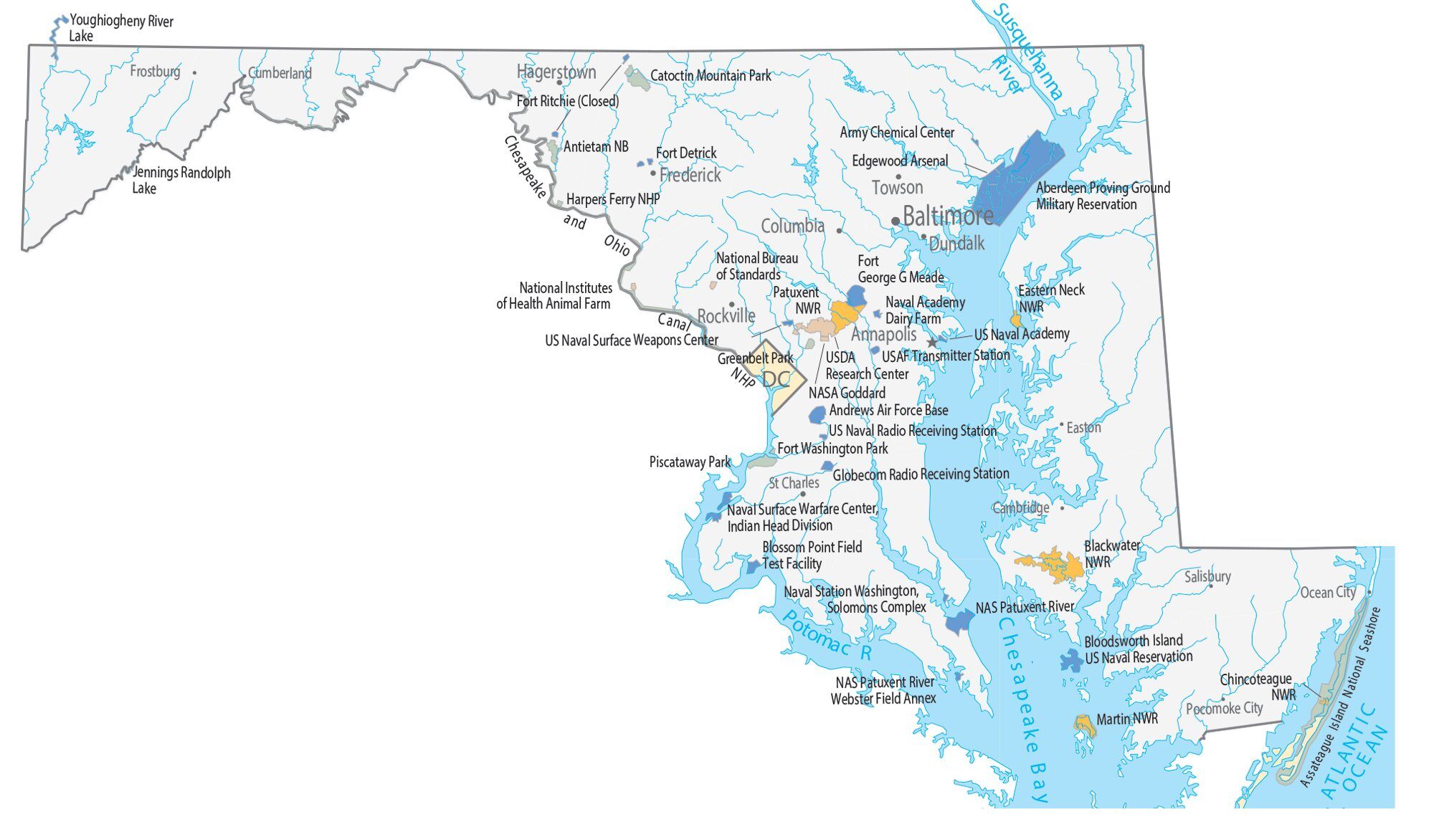
Navigating the Maryland Vehicle Emissions Inspection Program (VEIP) doesn't have to be a major hassle if you know where to go and what to bring. If you live in designated Maryland counties, periodic emissions testing is a legal requirement to keep your vehicle registered. Full-service testing stations and 24-hour self-service kiosks are spread across the state to handle tests without appointments. Most vehicle owners can simply drive up during standard operating hours, pay the testing fee, and wrap up the process in under twenty minutes.
Knowing which counties require testing, how much it costs, and what happens if your vehicle fails will save you multiple trips. Whether you're heading to a brick-and-mortar facility in Glen Burnie, Rockville, or Silver Spring, preparation is everything. This guide breaks down exact station types, required documents, testing exemptions, and practical tips to ensure you pass on your first try.
Understanding Maryland VEIP Requirements
Not every vehicle or driver in Maryland needs a VEIP test. The requirement applies primarily to motorists residing in specific high-density counties where air quality monitoring is crucial. These locations include Anne Arundel, Baltimore, Calvert, Carroll, Cecil, Charles, Frederick, Harford, Howard, Montgomery, Prince George's, Queen Anne's, Washington, and Baltimore City. If your vehicle is registered in one of these areas, the Maryland Motor Vehicle Administration (MVA) will mail you a notification test notice about four to six weeks before your due date.
Standard passenger cars and light trucks more than two years old generally require testing every two years. For brand-new vehicles, the initial test window typically occurs 72 months (six years) after the model year.
Several vehicle classes are completely exempt from Maryland emissions testing:
- Vehicles manufactured 20 or more years ago (historic or classic registration).
- Fully electric or solely diesel-powered vehicles.
- Motorcycles and certain farm-registered vehicles.
- Vehicles registered to senior citizens over 70 who meet specific low-mileage criteria, or vehicles with disability tags driven under 5,000 miles per year.
Finding Maryland VEIP Locations and Operating Hours
Maryland utilizes two distinct options for emissions testing: full-service inspection stations and 24-hour self-service testing kiosks.
Full-service stations are staffed by technicians who either plug into your car's computer or perform tailpipe evaluations. You do not need an appointment for these locations; you simply drive up during open hours. Typical operating hours for major stations—such as those in Glen Burnie, Rockville, and Columbia—run from 8:30 am to 5:00 pm on Mondays, Thursdays, and Fridays, extended hours from 7:00 am to 7:00 pm on Tuesdays and Wednesdays, and 7:00 am to 1:00 pm on Saturdays. Sundays are closed.
Self-service kiosks provide an alternative if you have a standard light-duty vehicle eligible for automated testing. These kiosks operate 24 hours a day, 7 days a week, allowing you to complete the test independently using on-screen prompts. You can check real-time queue cameras and estimated wait times on the Maryland MVA VEIP Portal before leaving your house to avoid peak congestion windows, which usually occur on Friday afternoons and Saturday mornings.
What to Bring and What to Expect During the Test
Showing up prepared cuts your time at the station down significantly. Before you pull into the inspection lane, make sure you have:
- Your official VEIP test notice or your vehicle registration card.
- Payment for the testing fee, which is typically around $14 (credit cards and standard payment methods are accepted).
Once it's your turn in the lane, the testing process moves quickly:
- The Check-In: Hand your paperwork to the technician, who will scan your vehicle information into the system and collect the fee.
- The OBD-II Test: For most modern vehicles (model year 1996 and newer), the technician connects a diagnostic scanner to the On-Board Diagnostics port beneath your steering wheel. This reads your car's computer for emission control performance codes and sensor readiness.
- The Gas Cap Check: The technician inspects your gas cap for proper sealing to ensure fuel vapors aren't escaping into the atmosphere.
- Tailpipe Testing: If you drive an older vehicle (typically pre-1996 or specific heavy-duty configurations) that doesn't use OBD-II, a probe is inserted into your tailpipe while the engine idles to measure actual exhaust emissions.
When the test finishes, you receive a Vehicle Inspection Report. If your car passes, the data transmits electronically to the MVA immediately, allowing you to renew your registration online.
Common Reasons for Test Failure and How to Avoid Them
Failing a VEIP test is frustrating, but it happens for predictable reasons. The single most common culprit is an illuminated check engine light. In Maryland, an active check engine light results in an automatic failure, even if the underlying issue is minor.
Other frequent failure points include:
- Faulty Gas Cap: A cracked, loose, or worn gas cap prevents the system from holding pressure. Tighten it until it clicks, or replace it with an OEM-certified cap if the rubber seal is dry-rotted.
- Unready Computer Monitors: If you recently disconnected your car battery or cleared diagnostic codes, the computer's internal monitors reset to "not ready." You must drive the car normally for 50 to 100 miles so the computer can run its self-tests before visiting a station.
- Worn Oxygen Sensors or Catalytic Converters: Aging emissions components cause hydrocarbon and nitrogen oxide levels to spike beyond legal thresholds.
If your vehicle fails, the inspection report details the exact diagnostic trouble codes triggered. You must get the car repaired by a certified emissions technician, who will sign off on the repair form before you return for a free re-test. You can review official guidelines and station updates directly through the Maryland Department of Transportation.
Frequently Asked Questions
Can I get my emissions tested at any county station?
Yes. Maryland residents can visit any official VEIP testing station or self-service kiosk in the state, regardless of which county your vehicle is registered in.
What happens if I miss my VEIP test deadline?
Missing your assigned testing window results in late fees assessed by the MVA, and you may lose the ability to renew your vehicle registration, making it illegal to drive on public roads.
Do I have to pay for a re-test if my car fails?
The initial test fee covers your first re-test, provided you complete the required repairs, bring the vehicle back with the signed repair receipt, and show up before the re-test deadline printed on your failure report.
Can someone else take my car to the VEIP station for me?
Yes. The testing facility only checks the vehicle itself, not the driver. Any trusted friend, family member, or service provider can drive your car through the inspection lane with the proper paperwork and payment.



