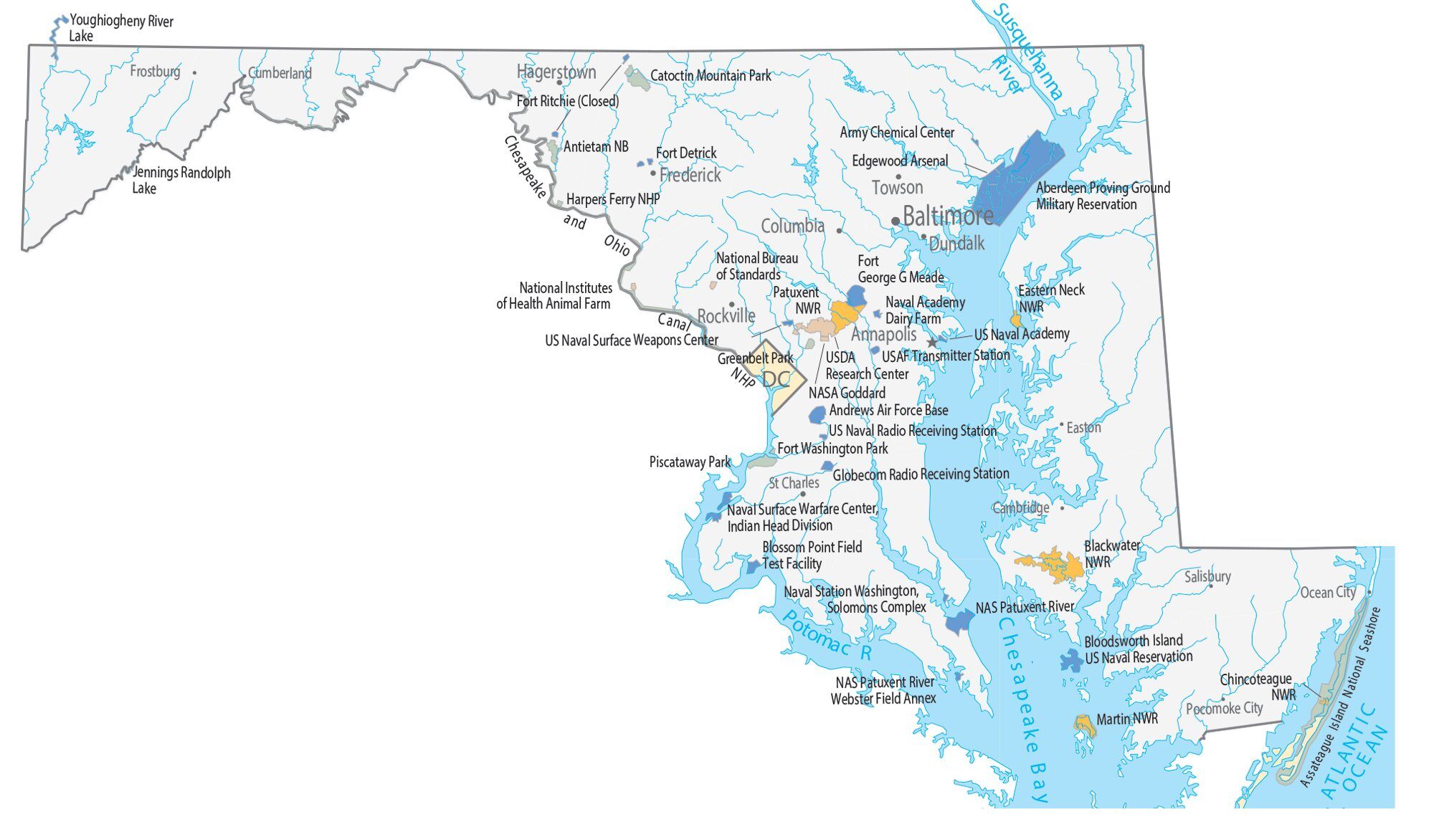
Automated traffic enforcement systems across Maryland spark fierce debates about whether cameras protect drivers or balance municipal budgets. In busy urban corridors like Baltimore and sprawling suburban regions like Montgomery County, these devices operate continuously, capturing thousands of infractions daily. While local governments defend the programs as essential safety measures designed to curb dangerous driving, critics argue that aggressive placement and high fine volumes point straight to revenue generation. Understanding how these systems function requires separating political rhetoric from objective roadway data.
The debate centers on a core tension between public safety mandates and municipal finance. Maryland law authorizes automated enforcement—including red-light and speed monitoring systems—to reduce severe collisions and modify driver behavior. Proponents point to studies showing decreases in angle crashes at monitored intersections. Conversely, motorists frequently encounter cameras positioned on wide, multi-lane thoroughfares where speed limits drop abruptly, fueling perceptions that the hardware exists primarily to collect fines. Examining citation metrics, legal structures, and accident statistics clarifies the true impact of these programs across the state.
The Mechanics of Maryland Automated Enforcement
Maryland's automated traffic violation enforcement systems operate under strict statutory guidelines set by the General Assembly. Cities and counties contract with private vendors to install and maintain the camera equipment, creating an immediate financial link between detected violations and corporate profits.
Red-light cameras snap photographs of the rear license plate and record digital video when a vehicle enters an intersection after the signal turns red. Speed cameras utilize radar or laser technology to track vehicles exceeding posted limits in designated school zones, work zones, or approved residential corridors. To understand the complete picture, we recommend the recent article by The New York Times.
Review Processes and Civil Citations
Unlike traditional traffic stops conducted by law enforcement officers, automated cameras issue civil citations rather than moving violations.
- Registered Owner Liability: Citations are mailed directly to the registered owner of the vehicle, regardless of who was driving.
- No License Points: Because these are civil infractions, points aren't assessed against your driver's license, and insurance companies typically don't raise rates based on camera tickets.
- Law Enforcement Verification: Municipal police departments or designated local officials must review photographic evidence before issuing a citation to ensure accuracy.
In Baltimore and various surrounding counties, red-light camera fines remain fixed at $75, while speed camera fines feature structured tiers depending on how much a driver exceeds the limit.
Safety Tool or Revenue Generator: What the Data Shows
Public officials insist that safety remains the exclusive motivation behind camera deployment. Municipalities rely on traffic engineering studies to identify high-crash intersections and school zones before requesting camera installation permits.
Supporters highlight specific traffic safety metrics to justify the infrastructure:
- Reduction in T-Bone Collisions: Intersections equipped with red-light cameras often experience a noticeable decline in severe angle crashes, which carry high injury and fatality rates.
- Lower Average Speeds: Speed monitoring systems successfully force motorists to slow down immediately adjacent to the camera zone.
However, critics and independent researchers point out significant limitations in the safety narrative. Studies often show that while collisions drop directly at the camera site, rear-end accidents sometimes increase as drivers brake abruptly to avoid a fine. Furthermore, critics argue that cities become financially dependent on steady citation volumes, creating a perverse incentive to maintain short yellow-light timings or keep speed limits artificially low on major commuter routes.
According to the Maryland Department of Transportation, local agencies must reinvest surplus citation revenue into public safety projects, pedestrian infrastructure, or community initiatives. Even so, the blurred line between fiscal collection and accident prevention keeps public skepticism high.
Legal Rights and How to Contest a Maryland Camera Ticket
Receiving a traffic camera citation in the mail doesn't mean you have to accept liability automatically. Maryland law provides specific avenues for vehicle owners to contest unfair tickets or request administrative reviews.
Steps to Handle a Citation
- Examine the Evidence: Visit the online portal listed on your citation (such as the Baltimore City Automated Enforcement page) to view the digital photographs and video clips of the alleged infraction.
- Check Calibration Records: Request the maintenance and calibration logs for the specific camera unit. Maryland courts require proof that the equipment functioned correctly at the time of the alleged violation.
- Submit a Defense Within the Window: You must respond within the designated timeframe—usually 30 days—by paying the fine, requesting a court date, or submitting a signed affidavit if your car was stolen, sold, or driven by someone else.
Common valid defenses include proving your vehicle was safely inside the intersection before the light turned red, demonstrating that an emergency vehicle forced you to proceed through a signal, or showing that the license plate capture is unclear or misidentified.
Frequently Asked Questions
Do red-light camera tickets affect my driving record?
No. In Maryland, automated red-light and speed camera violations are civil penalties. They do not carry driver's license points and are not reported to the Maryland Motor Vehicle Administration for insurance rating purposes.
What happens if I ignore a traffic camera ticket?
Ignoring a citation results in late fees and a formal warning of non-compliance. If you fail to pay or contest the fine, the municipality can notify the MVA, which will result in the refusal or suspension of your vehicle registration renewal.
Are traffic cameras permitted anywhere in Maryland?
No. State law strictly regulates where automated cameras can be placed. Speed cameras are generally restricted to school zones, designated residential districts with specific speed limits, and highway work zones. Red-light cameras are limited to approved intersections with documented crash histories.
Can I transfer a camera ticket to the person who was actually driving?
Yes. If you weren't operating the vehicle when the infraction occurred, you can complete a sworn affidavit naming the actual driver, or submit proof that the vehicle was reported stolen or sold prior to the violation date.


