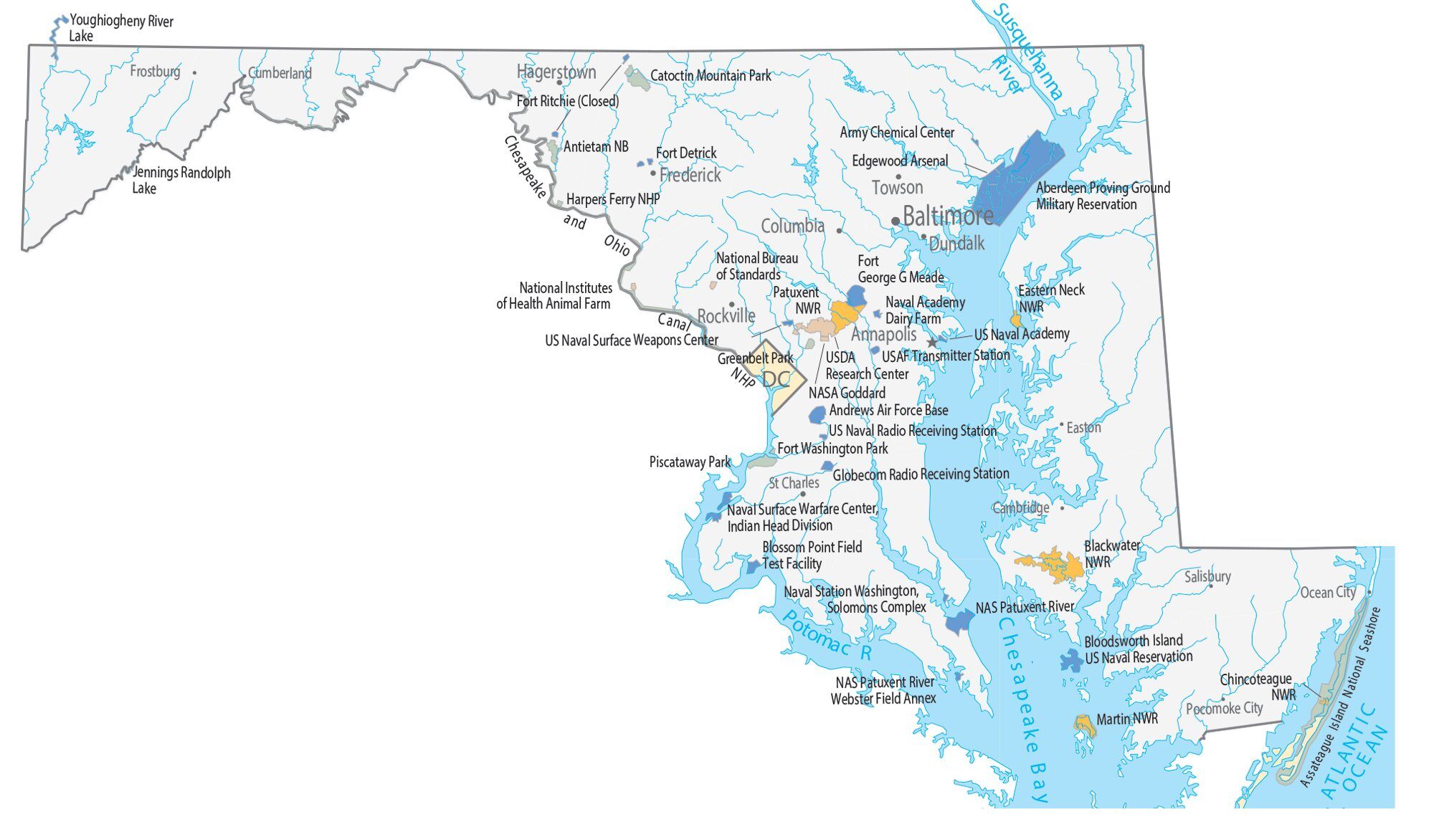
Maryland stands at an important junction where fiscal policy shifts, economic modernization, and regional resilience efforts intersect. From Annapolis legislative halls to the busy shipping channels of Baltimore, lawmakers, business owners, and residents deal with the realities of modern state governance. Understanding these developments requires looking past surface-level headlines to examine the budget choices, industry pivots, and infrastructure realities shaping the Old Line State.
Fiscal Realities and State Budget Priorities
State budgeting sets the foundation for every public service, infrastructure project, and educational initiative across Maryland. Lawmakers face distinct fiscal constraints that require careful management of public funds.
- Revenue Adjustments: State tax receipts have experienced a normalization period following the federal stimulus-backed surges of previous years. Income tax collections show moderate growth patterns, influenced by changing remote work habits and demographic shifts among high-income earners.
- The Blueprint for Maryland's Future: Funding for educational reform remains a primary budgetary commitment. Districts across the state allocate resources toward universal pre-kindergarten, teacher salary enhancements, and career-technical education tracks.
- Infrastructure Investments: Transportation funding focuses heavily on critical bridge maintenance, public transit upgrades in the Baltimore-Washington corridor, and long-term roadway safety improvements.
Balancing these spending commitments without triggering broad tax increases demands strict prioritization. Local municipalities collaborate closely with state agencies to maximize federal grant opportunities, particularly for green energy and transportation upgrades.
Economic Diversification and Regional Growth
Maryland works actively to reduce its historical economic reliance on federal government contracts and defense spending by cultivating diverse growth sectors.
The Port of Baltimore serves as a vital economic engine. Following the structural disruptions caused by the Francis Scott Key Bridge collapse, logistics operators, the Maryland Port Administration, and federal partners accelerated recovery efforts to restore full shipping capacity. Cargo redirection strategies and modern terminal investments ensure the port remains a competitive gateway for mid-Atlantic commerce.
At the same time, regional tech and biomanufacturing hubs continue to expand. Montgomery County and surrounding areas draw significant venture capital and research interest, anchored by institutions like the National Institutes of Health and local research universities. Commercial real estate developers report steady demand for laboratory space and advanced manufacturing facilities, translating into stable employment opportunities for skilled technical workers.
Community Resilience and Housing Pressures
Population shifts and cost-of-living challenges create distinct community dynamics across Maryland's urban centers and rural counties.
Housing affordability remains a persistent friction point for working families. High demand in central counties has pushed median home prices and rental rates upward faster than median wage growth. Municipal planners experiment with zoning reforms, accessory dwelling unit allowances, and affordable housing trust funds to ease inventory bottlenecks.
Climate resilience also drives local planning decisions. Coastal communities along the Chesapeake Bay and the Eastern Shore invest heavily in shoreline protection, tidal flood mitigation, and sustainable agricultural practices. These initiatives protect local property values while preserving the ecological health of the watershed.
Frequently Asked Questions
What are the main economic drivers in Maryland?
Maryland's economy relies on a mix of federal agencies, higher education institutions, biotechnology, cybersecurity firms, defense contracting, and maritime trade centered around the Port of Baltimore.
How is Maryland addressing housing affordability?
Local governments and state agencies utilize zoning modernization, public-private partnerships for multi-family developments, and targeted down-payment assistance programs for first-time homebuyers.
What is the Blueprint for Maryland's Future?
It is a multi-year educational reform initiative designed to elevate student achievement by expanding early childhood education, raising teacher compensation, and strengthening vocational and technical training pathways.
How did the Port of Baltimore recover from infrastructure disruptions?
State and federal authorities coordinated emergency cleanup operations, cleared blocked shipping channels, and deployed temporary federal relief funds to expedite structural repairs and cargo rerouting.