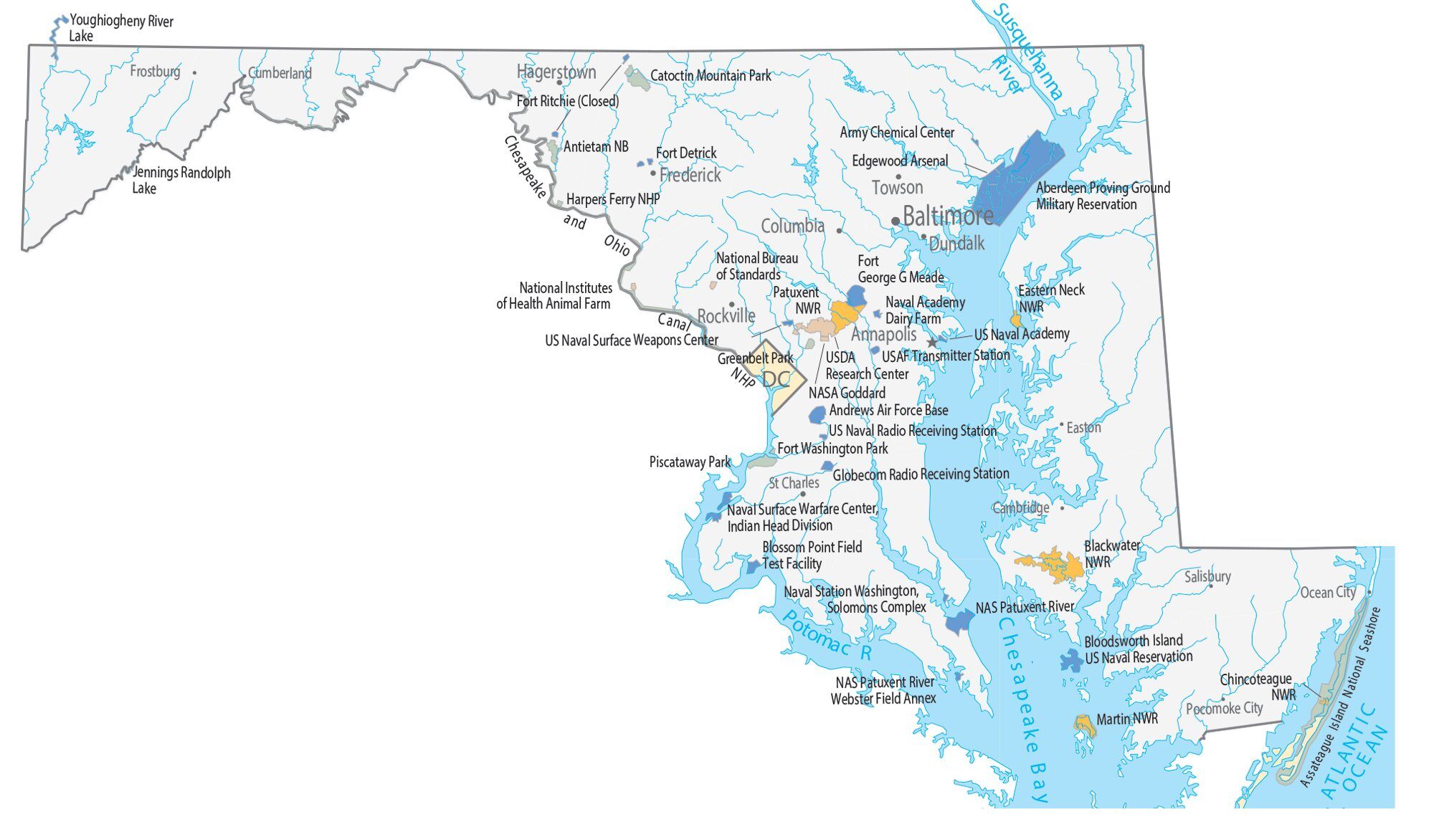
Public sector compensation in Maryland sparks constant debate over fiscal responsibility, equity, and government accountability. Access to public records allows taxpayers to examine how tax dollars fund state agencies, universities, and local school systems. Understanding these payroll figures requires looking past raw totals to see the structural trends driving public spending.
With average state government salaries hovering around $80,629, Maryland sits slightly above national averages for public employment. At the same time, expanding disclosure laws have altered how public and private organizations handle wage metrics. This shift creates a complex landscape where citizens demand total openness, while agencies balance recruitment needs against administrative costs.
The Architecture of Maryland Public Salary Data
Maryland maintains extensive digital records regarding state payrolls through various public databases and reporting initiatives. Open-access platforms aggregate hundreds of thousands of individual employee records across state departments, higher education institutions, and local municipalities.
Total State Workforce Metrics:
* Active Records Tracked: ~250,000 to 360,000+ positions (including education and local agencies)
* Average State Salary: ~$80,629
* Primary High-Spend Sectors: Higher education, public safety, and public health
This transparency doesn't happen by accident. State laws mandate that public payroll records remain accessible to anyone filing a formal request or using online lookup tools. However, raw numbers often obscure underlying realities. A top-line figure for a state university or department includes everyone from part-time student workers to specialized medical professionals at state-run health facilities, skewing simple averages. Similar coverage regarding this has been published by BBC.
Transparency Mandates and Workplace Shifts
The push for openness extends beyond traditional state payroll lookups. Maryland's broader regulatory framework, including wage transparency legislation, requires employers to disclose good-faith salary ranges on job postings. While state agencies already operated under strict public disclosure rules, these laws bridge the gap between public and private sectors.
Supporters argue that publishing clear salary brackets reduces systemic wage gaps and helps applicants negotiate fairly. Critics within smaller municipal budgets often point to administrative burdens and the risk of salary inflation. When every local government agency can instantly view what neighboring counties pay for specialized engineering or administrative roles, market competition can drive up costs for taxpayers.
Analyzing the Data Behind the Debates
Public salary debates usually center on three core friction points: compensation growth versus private sector wages, pension liabilities, and regional disparities.
Higher Education and Specialized Agencies
The highest-earning public employees in Maryland rarely work in traditional administrative offices in Annapolis. Instead, major state expenditures concentrate in higher education systems, such as the University of Maryland, and specialized medical or correctional leadership roles. Research physicians, university presidents, and specialized technologists command salaries exceeding $300,000 to $500,000 annually. Critics question whether these figures align with public sector norms, while defenders note that universities must compete directly with private medical conglomerates and elite research institutions nationwide.
Regional Cost-of-Living Realities
A salary of $85,000 feels entirely different in Garrett County compared to Montgomery County or Prince George's County. State employee compensation models attempt to account for regional variations, but uniform state pay scales often create recruitment bottlenecks in high-cost-of-living suburbs. Local school systems and county governments frequently supplement state funding to attract qualified educators and public safety personnel, widening the gap between affluent jurisdictions and rural districts.
Benefits Versus Base Pay
Raw salary figures ignore total compensation packages. Government positions traditionally offer robust health benefits and defined-benefit pension plans that offset lower initial base pay compared to private corporate roles. As actuarial adjustments and pension funding requirements shift, taxpayers frequently debate the long-term sustainability of these legacy benefit structures.
Common Missteps When Analyzing Public Salaries
Interpreting government payroll data requires avoiding common analytical traps.
- Ignoring Total Experience and Tenure: Conflating entry-level wages with veteran employee compensation makes average figures look artificially high. A senior state attorney with twenty years of service distorts the median baseline for a department.
- Overlooking Part-Time and Seasonal Staff: Many public databases lump part-time, seasonal, or stipended workers into raw headcount totals, which drags down calculated averages for specific agencies.
- Isolating Base Pay from Duties: Comparing administrative titles across different branches without reviewing job classifications leads to false equivalencies. An administrative officer in the Department of Transportation handles entirely different regulatory duties than one in a local library system.
To evaluate public payroll trends accurately, check official reporting portals such as the Maryland Department of Budget and Management or review comprehensive municipal data via the Maryland Association of Counties.
Frequently Asked Questions
Are all Maryland state employee salaries completely public?
Yes. Base salaries, job titles, and agency affiliations for state employees are matters of public record under state freedom of information laws. Certain sensitive law enforcement or undercover investigative personnel may have specific protections or anonymized entries.
How do Maryland state salaries compare to neighboring states?
Maryland averages track slightly higher than the national government employee average, largely driven by proximity to the federal capital region and the higher cost of living in the Baltimore-Washington metropolitan corridor.
Do public salary databases include pension and benefit values?
Standard public lookup tools usually display base annual salaries or gross pay for a given calendar year. They rarely calculate the hidden value of healthcare subsidies, deferred compensation, or future pension accruals in the primary search view.
Can public employees negotiate their starting pay in Maryland?
State positions governed by strict civil service merit systems operate on fixed pay scales and grade steps. However, professional, contractual, and higher education positions often allow for negotiation within a pre-approved budgetary range based on verifiable candidate experience.


