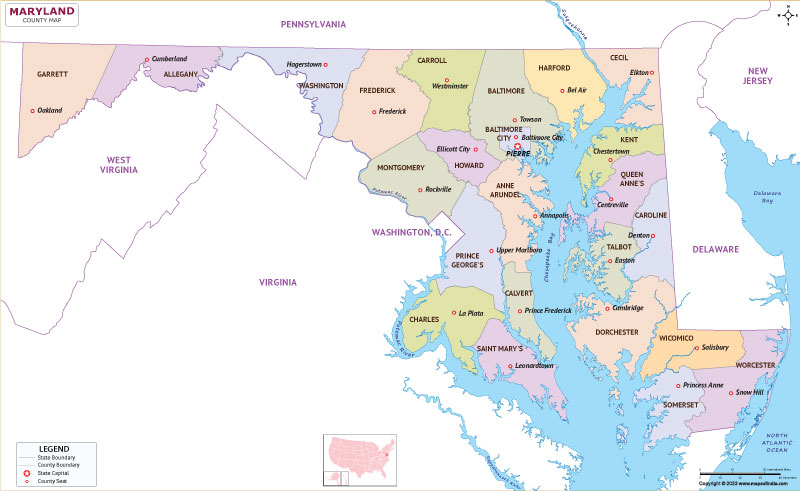
Navigating Maryland arrest records and public transparency laws requires balancing government accountability with personal privacy. When an arrest happens, booking photos and charging documents enter a complex web of municipal databases, state portals, and third-party aggregators. Understanding how these systems work helps you find accurate information, protect your digital reputation, or manage public records legally.
Official access to these documents is governed by specific state statutes, while commercial platforms often complicate the picture by republishing old booking images for profit. Knowing the difference between official state repositories and commercial mugshot sites is the first step toward reclaiming control over personal data or conducting lawful background research.
Official Public Access to Maryland Arrest Records
The state operates under a framework designed to prevent secret arrests and ensure government transparency. The Maryland Public Information Act (MPIA) grants the public the right to inspect and copy government records, including police booking logs and charging documents.
However, public transparency doesn't mean everything is instantly searchable online. Local police departments, county sheriff offices, and the Maryland Department of State Police handle record requests through structured administrative channels.
- Local Police Departments: City police maintain daily incident logs and arrest records for individuals booked within their jurisdiction. Many departments process these requests through dedicated public information officers or formal MPIA request portals.
- State Police Repositories: The Maryland Department of State Police maintains central records for incidents handled by state troopers, though certain investigative files remain confidential.
- The Judiciary Case Search: For active court cases, the Maryland Judiciary Case Search provides public access to dockets, charging documents, and trial outcomes across district and circuit courts.
The Role of Commercial Mugshot Sites and Extortion Practices
While official records serve accountability, commercial mugshot publishers often exploit the digital landscape. These third-party websites scrape arrest data from police blotters and public feeds, publishing booking photos and charges without context.
Many of these operators use search engine optimization to rank high for personal names, creating long-term reputational damage even for individuals who were never convicted. To counter this, Maryland passed specific legislation under Commercial Law Article § 14-1324. This statute prohibits website operators from charging a fee to remove an arrest or detention photograph, providing victims of predatory publishing a legal basis to demand takedowns.
How Commercial Scraping Affects Personal Reputation
When booking photos circulate online, they decouple from the actual legal outcome of a case. A person might experience a wrongful arrest, an acquittal, or a dropped charge, yet their mugshot remains permanently indexed on commercial networks.
- Lack of Context: Aggregators rarely update records to reflect dismissed charges or acquittals.
- Employment and Housing Barriers: Landlords and employers frequently rely on surface-level web searches, misinterpreting unverified booking photos as proof of guilt.
- Financial Exploitation: Historically, some operators demanded payment for removal, a practice now heavily restricted or penalized under state law.
Legal Remedies: Expungement and Shielding in Maryland
If you want to remove an arrest record from public view entirely, you must navigate Maryland's formal expungement or shielding processes. Simply asking a police department or a private website to delete a record won't work unless the underlying legal status changes.
Expungement removes court and police files from public inspection, effectively sealing them from general view. Under Maryland Criminal Procedure Article Title 10, eligibility depends heavily on how your case concluded.
- Favorable Dispositions: If you were acquitted, found not guilty, or the state entered a nolle prosequi (dropped the charges), you generally qualify to file for expungement.
- Probation Before Judgment (PBJ): Receiving a PBJ often allows for expungement after waiting periods, provided you haven't picked up subsequent disqualifying convictions.
- Shielding: For certain minor convictions where expungement isn't immediately available, shielding hides records from public view for housing and employment background checks while keeping them accessible to law enforcement.
Once a court grants an expungement, state agencies scrub the files from public databases. While third-party sites are expected to respect state legal orders, you often have to submit separate takedown notices directly to those platforms using your court documentation as proof.
Conducting Lawful and Accurate Public Research
If you are researching public records for journalistic, legal, or safety reasons, relying on random web searches is unreliable. Official databases offer the only legally verified picture of an individual's history.
Always cross-reference any booking data with the Maryland Courts Case Search to verify whether a case is active, dismissed, or resolved. Treat unverified images on social media or content farms with skepticism, as they frequently misrepresent ongoing legal matters.
For official inquiries, review the Maryland Department of State Police Public Information Act Guidelines to submit structured requests that comply with state statutes.
Frequently Asked Questions
Can police departments in Maryland refuse to release a mugshot?
Yes. Law enforcement agencies can withhold booking photos or arrest details if release would compromise an active investigation, violate privacy laws regarding juveniles, or endanger public safety.
Does an expungement automatically wipe third-party search results?
No. While state agencies comply immediately with expungement orders, commercial aggregators scrape data independently. You must contact those websites directly with proof of expungement to force a removal.
How long do arrest records stay on the Maryland Judiciary Case Search?
Case search records remain visible according to specific retention schedules set by the judiciary. Even after a case is closed, criminal dockets may persist online unless an official petition for expungement or shielding is successfully processed by a judge.
Is it legal for a website to charge money to take down a mugshot in Maryland?
No. Under Maryland Commercial Law Article § 14-1324, websites operating in this space are prohibited from demanding fees to remove booking photographs.



