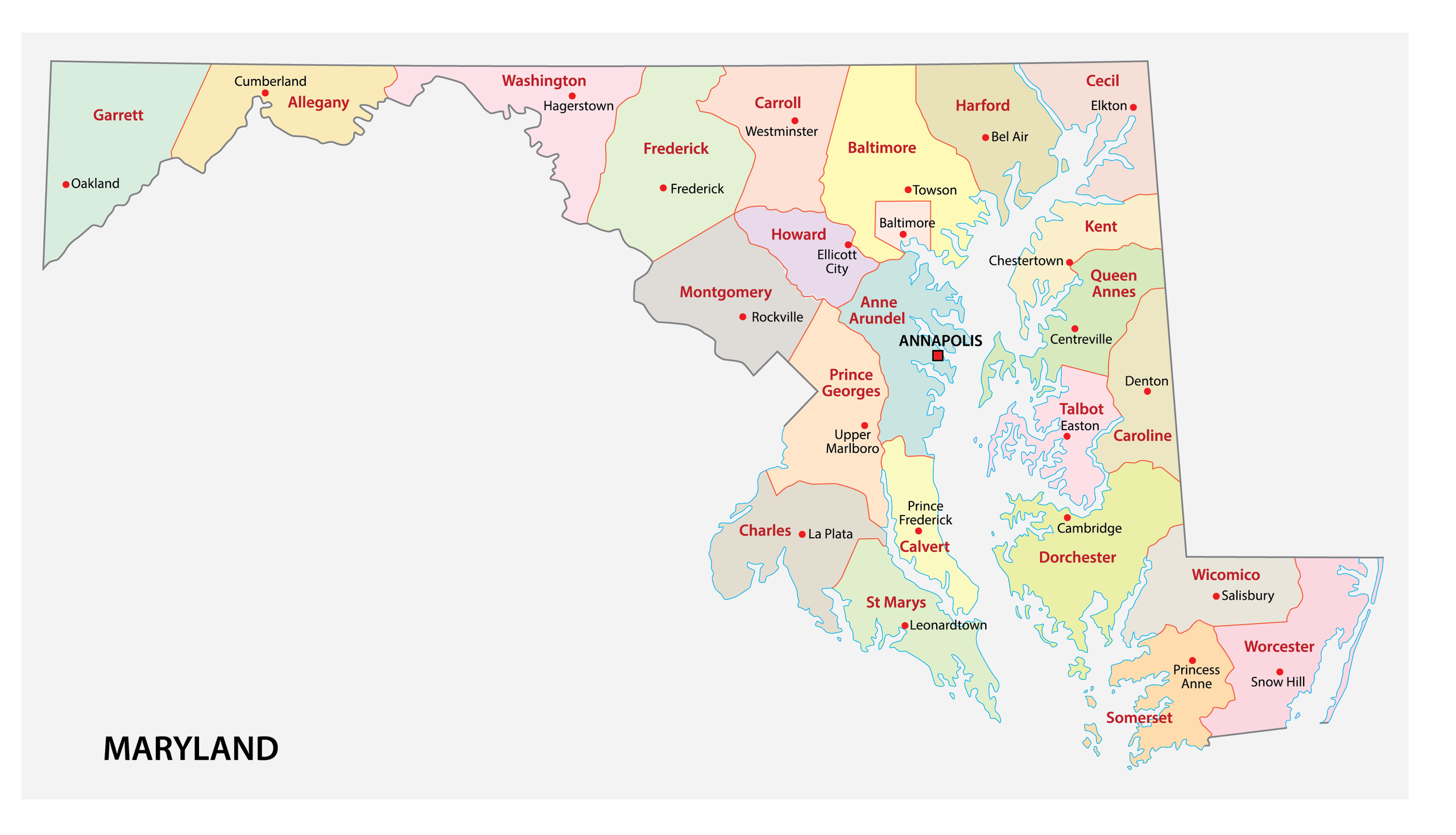
Navigating legal records in Maryland requires understanding how local, circuit, and appellate courts divide judicial authority. Whether you're investigating a pending lawsuit, verifying a civil judgment, or checking criminal histories, running a precise Maryland jurisdiction search protects you from relying on incomplete data. Official dockets and case filings are managed through the centralized Maryland Judiciary portal, but knowing which court holds original jurisdiction prevents wasted time and costly legal errors.
This guide breaks down how to verify court authority, navigate case records across different judicial tiers, and avoid common pitfalls when searching Maryland public records.
Understanding Maryland Court Jurisdiction
Before searching for a case, you must identify which court tier holds the legal authority over the matter. Maryland's judicial system operates on a multi-tiered hierarchy, and each level manages distinct types of legal actions. Filing a document in the wrong venue or searching the incorrect database will yield zero results.
District Court of Maryland
The District Court handles minor criminal offenses, serious traffic violations, and civil cases involving limited monetary damages. If a civil dispute involves a claim under a specific statutory dollar threshold, or if it concerns landlord-tenant disputes and replevin actions, it starts here. District Court locations operate in every county and Baltimore City, handling millions of routine filings annually without juries. BBC has also covered this fascinating topic in extensive detail.
Circuit Courts
Circuit Courts represent the highest trial courts of general jurisdiction in Maryland. They handle major civil lawsuits, felony criminal cases, juvenile proceedings, and family law matters like divorces, adoptions, and child custody. Circuit Courts also hear appeals from the District Court and local administrative agencies. Every county and Baltimore City maintains a Circuit Court clerk's office where physical files and local dockets are maintained.
Appellate Courts
Maryland features two appellate levels: the Appellate Court of Maryland (formerly the Court of Special Appeals) and the Supreme Court of Maryland (formerly the Court of Appeals). These courts do not hold trials, hear witnesses, or accept new evidence. Instead, they exercise appellate jurisdiction to review decisions made by lower trial courts for legal errors.
How to Perform a Maryland Case Search
The primary public entry point for digital court records is the official Maryland Judiciary Case Search system. This portal aggregates data from both District and Circuit courts, giving users a searchable index of party names, case numbers, filing dates, and docket events.
Step-by-Step Search Process
- Navigate to the official state portal and accept the user terms and conditions agreement.
- Select your search criteria type, such as Party Search (individual or business name) or Case Number (docket identifier).
- Enter the target individual's last name and first name. The system defaults to exact spelling matches unless you use truncation symbols.
- Filter results by specific counties, court types (District vs. Circuit), or date ranges to narrow down common names.
- Review the summary docket screen to inspect case status, charges, judgments, and scheduled court dates.
Using Wildcards and Handling Common Names
Common surnames will often generate hundreds of results. To manage broad searches effectively, use the percent sign (%) as a wildcard character at the end of a name string. For example, entering Smith, J% will return records matching John Smith, James Smith, or Jessica Smith. Note that the system requires at least the first character of the name before the wildcard, and you cannot place a wildcard symbol at the beginning or in the middle of a search query.
Limitations and Restricted Records
Not all legal records are open to public inspection. When conducting a jurisdiction search, understanding statutory restrictions prevents misinterpretations of what is missing from a database.
Expunged and Shielded Files
Under Maryland law, certain criminal records are removed from public view. Charges that resulted in an acquittal, dismissal, or nolle prosequi (state declining to prosecute) are frequently shielded or removed from the online portal. Similarly, individuals who qualify for expungement can have past misdemeanor or felony records legally erased from public registries.
Sealed Civil Matters
Family law cases involving sensitive matters—such as adoption medical reports, specific financial statements, or protective orders requiring confidentiality—are sealed by judicial order. These records cannot be viewed via the standard public search portal and require special legal motions or party status to access.
Common Mistakes in Court Record Verification
Researchers and professionals frequently make errors that compromise the validity of their findings. Avoid these traps during your investigation:
- Treating online summaries as certified documents: The public case search portal provides an index summary, not a certified copy of the official court file. Always contact the local clerk's office for official judgments.
- Ignoring venue changes: If a case was transferred from a District Court to a Circuit Court, keeping track of the docket requires checking both court levels.
- Overlooking county archives: Historical records predating modern electronic databases often reside exclusively in paper format or on microfilm at the Maryland State Archives rather than online portals.
Frequently Asked Questions
Can I access complete PDF document filings online?
Some electronic court systems provide links to scanned motion filings and court orders, but many documents require an in-person visit to the local courthouse terminal or a formal records request through the clerk of the court.
What should I do if I find an error on my case record?
If you discover inaccurate information on a public docket, you must submit a formal written notice directly to the clerk of the court where the original record was filed to request a correction.
Are traffic ticket records searchable online?
Yes. Paid and unpaid traffic citations handled by the District Court appear in the general case search portal using either the citation number or the motorist's name.
Is there a fee to search Maryland court records?
Basic searches conducted through the official Maryland Judiciary online portal are free to the public, though certified copies and physical document duplication at courthouse counters carry standard administrative fees.



