Locating someone in the correctional system doesn't have to feel like navigating a maze. Whether you're trying to reconnect with an old friend, tracking a family member's legal status, or handling a professional matter, finding an inmate in Maryland requires knowing which database to check. State prisons, county detention centers, and federal facilities all use separate systems, meaning a single search query won't always cover every base.
To find someone quickly, start with the official Maryland Department of Public Safety and Correctional Services offender locator. This portal covers individuals currently serving time in state correctional facilities. You'll need either their full name or their specific Department ID Number (DIN) to run a search. If you only have a name, be prepared for common name matches, which means you'll need birth dates or middle initials to narrow down the results.
Navigating State Prison Records
The primary state database tracks individuals housed in Maryland state correctional institutions. When you open the state locator tool, entering accurate identifying details makes all the difference.
If your search yields too many results, use secondary filters like age, gender, or physical description if the platform allows. Keep in mind that state systems only display active inmates. If someone has been released, transferred to a federal prison, or completed their sentence, they won't show up on the active roster.
When you successfully locate an individual, the system typically provides:
- Current housing facility or institution assignment
- Offender ID number (DIN)
- Projected release dates or parole hearing timelines
- Basic physical characteristics listed in their file
Searching County Jails and Local Detention Centers
Not everyone in custody is held in a state prison. Individuals awaiting trial, serving short misdemeanor sentences, or recently arrested are typically housed in local county detention centers or city jails.
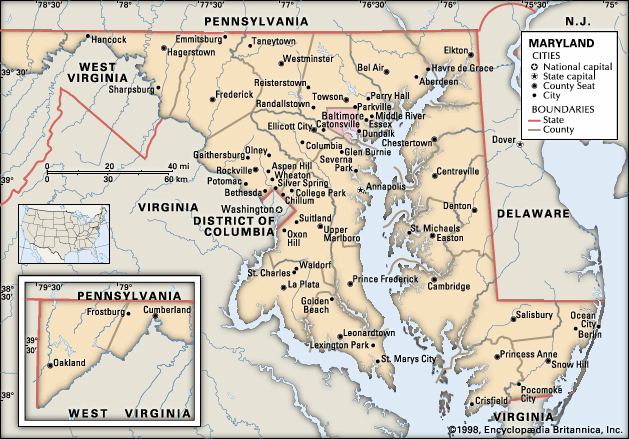
Maryland's county jails operate independently from the state prison system. For instance, if you're looking for someone detained in Baltimore County, Prince George's County, or Montgomery County, you must check that specific sheriff's office or county department of corrections website.
Local jail portals often feature daily booking logs. If the arrest happened within the last 24 to 48 hours, the intake paperwork might still be processing. If you don't find a recent arrest right away, wait a few hours or call the local detention center directly for assistance.
Using VINELink for Custody Status Tracking
If you need real-time updates regarding someone's custody status or upcoming release dates, VINELink Maryland provides a reliable tracking service.
VINE stands for Victim Information and Notification Everyday, but the public can use it to monitor custody shifts. You can register to receive automated alerts via phone call, text message, or email if an inmate is released, transferred, or escapes.
- Go to the official VINELink portal and select Maryland from the state dropdown menu.
- Enter the offender's name or identification number.
- Select the correct individual from the search manifest.
- Follow the prompts to register your phone number or email for status alerts.
This tool is especially helpful because it bridges various local and state jurisdictions, pulling data directly from participating law enforcement agencies across the state.
Finding Federal Inmates in Maryland
If your search through state and county databases comes up empty, the person might be in federal custody. Maryland houses federal facilities, and federal inmates could also be serving time out of state.
Head over to the Federal Bureau of Prisons inmate locator. The federal system operates entirely separate from local and state databases. You can search by first and last name or use a Federal Register Number. Federal records span across past and present inmates, making it easier to track individuals who were sentenced years ago or federal offenders processed through Maryland district courts.
Common Mistakes to Avoid
People often hit roadblocks during an inmate search because of avoidable errors. Watch out for these pitfalls:
- Spelling errors: Typos in legal names will break a database search instantly. Always double-check spelling, especially with hyphenated last names or common surnames.
- Confusing county and state systems: Looking for a local jail inmate on the state DPSCS portal leads to dead ends. Always confirm where the person was arrested.
- Ignoring alias names: Many individuals have nicknames or alias names used in court documents. If a standard search fails, check if court records list an alternative name.
- Assuming lifetime records: Remember that discharged individuals drop off active state search engines. Historical records require contacting archives or checking court case search portals instead.
Frequently Asked Questions
What information do I need to start a search?
At a minimum, you need the individual's first and last name. Having their date of birth, middle name, or official ID number (such as a state DIN or federal register number) makes the process much faster and more accurate.
Are Maryland inmate locator tools free?
Yes. Official government databases, including the Maryland DPSCS locator and VINELink, are entirely free to use. Avoid third-party websites that charge fees for public record lookups, as they often aggregate public data and charge for information you can access for free.
How often are jail booking logs updated?
County jail logs generally update multiple times daily, but processing times vary by facility. Brand-new arrests can take up to a full day to clear administrative intake before appearing on public rosters.
Why can't I find an inmate who I know was arrested?
If an arrest happened very recently, the booking process might still be underway. Alternatively, the individual might have already posted bail, been transferred to a different jurisdiction, or their records may be restricted due to privacy laws or juvenile status.


