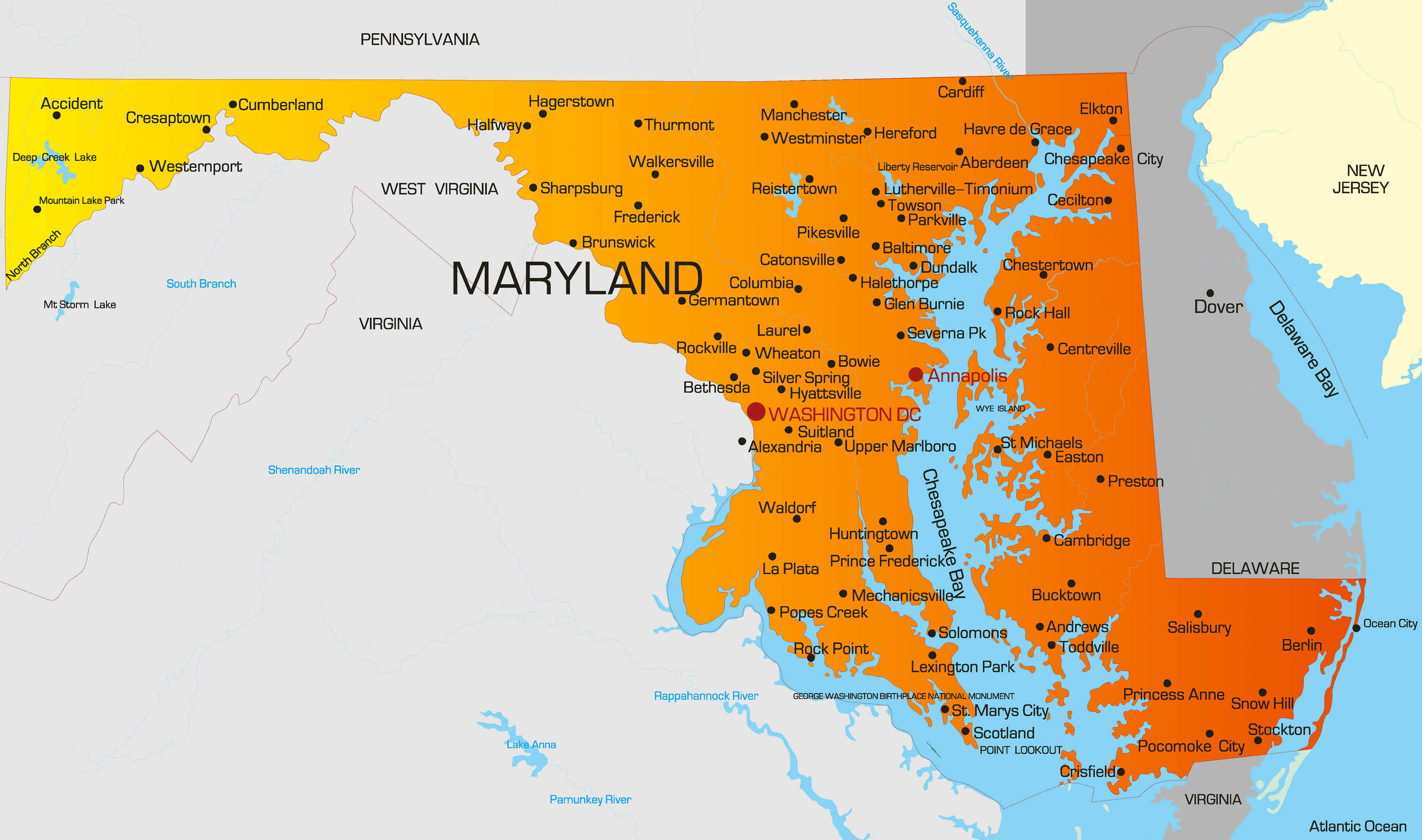
Maryland packs centuries of colonial milestones, cutting-edge federal research, and distinct coastal traditions into a remarkably compact geographic footprint. From the early maritime communities along the Chesapeake Bay to the high-tech corridors surrounding the nation's capital, this Mid-Atlantic state operates as a vital American crossroads. Understanding Maryland requires looking past standard travel brochures to examine the economic engines, historical turning points, and cultural shifts that define its modern identity.
Historical Foundations of the Old Line State
Maryland's trajectory began in 1632 when King Charles I granted a colonial charter to Cecilius Calvert, the second Baron of Baltimore. Intended as a haven for persecuted English Catholics, the province established an early precedent for legislative religious toleration with the passage of the Maryland Toleration Act in 1649.
Key historical pillars shaped the region over the next two centuries:
- Maritime Exploration: Captain John Smith mapped the intricate waterways of the Chesapeake Bay in 1608, establishing trade routes and economic dependencies that persist today.
- Revolutionary and National Significance: Annapolis served briefly as the capital of the United States from 1783 to 1784, and the Maryland State House remains the oldest continuously legislative state capitol in continuous use.
- The War of 1812: British bombardments of Fort McHenry in Baltimore inspired Francis Scott Key to pen "The Star-Spangled Banner," cementing the state's role in American sovereignty.
- Civil War Divide: As a strategically vital border state, Maryland experienced deep internal divisions, punctuated by the single bloodiest day of combat at the Battle of Antietam in 1862.
Economic Innovation and Federal Corridors
While its past rests on agriculture and industrial rail expansion, Maryland's contemporary economy thrives on high-tech federal infrastructure, biotechnology, and defense research. Proximity to Washington, D.C. positions the state as a command center for national security and scientific discovery.
Major sectors driving state innovation include:
- Life Sciences and Biotechnology: Clusters around Montgomery County house major federal agencies like the Food and Drug Administration (FDA) alongside private genomics and pharmaceutical pioneers.
- Cybersecurity and IT: Fort Meade anchors a massive concentration of cybersecurity operations, defense contractors, and intelligence infrastructure.
- Aerospace and Defense: Engineering firms and federal procurement offices pump billions into regional contracts, supporting uncrewed systems and aviation tech.
- Higher Education Research: Institutions like Johns Hopkins University and the University of Maryland consistently lead the nation in federal research and development expenditures, spinning out medical breakthroughs and software startups.
Distinct Cultural Identity and Regional Traditions
Maryland culture resists simple categorization, blending northern industrial grit with southern coastal hospitality. This duality appears clearly in the state's culinary landscape, architectural preservation, and artistic communities.
The Chesapeake Bay defines much of the local lifestyle. Commercial fishing, oystering, and blue crab harvesting support both local economies and culinary traditions. Steamed hard-shell crabs heavily seasoned with local spice blends represent an iconic regional ritual. Beyond the shoreline, urban centers like Baltimore foster vibrant art scenes, independent music venues, and historical neighborhoods such as Mount Vernon and Fells Point.
Frequently Asked Questions
Why is Maryland called the Old Line State?
Historians attribute the nickname to General George Washington, who praised the bravery of Maryland troops—specifically the Maryland Line—during the Revolutionary War Battle of Brooklyn in 1776.
What federal agencies are headquartered in Maryland?
The state hosts several prominent federal institutions, including the National Security Agency (NSA) in Fort Meade, the National Institutes of Health (NIH) in Bethesda, and the Food and Drug Administration (FDA) in Silver Spring.
How did the Chesapeake Bay shape Maryland's economy?
The vast estuary system provided early settlers with abundant seafood and navigable trade highways. Today, it supports maritime commerce, tourism, and a thriving aquaculture industry.
What are some must-visit historical sites in Maryland?
Essential stops include Fort McHenry National Monument in Baltimore, the U.S. Naval Academy in Annapolis, Antietam National Battlefield in Sharpsburg, and Historic St. Mary's City.
How does Maryland's geography influence its climate and culture?
Divided by the Chesapeake Bay into the Eastern Shore and the Western/Central regions, the state features a mix of coastal marshlands, rolling piedmont, and mountain ridges. This varied terrain supports distinct local economies ranging from farming to tech corridors.


