Maryland's economic strategy relies heavily on turning its unique geographic and intellectual assets into commercial engine power. If you're looking to scale a company or invest in the Old Line State, you need to understand how public-private partnerships, specialized talent pipelines, and target industry investments actually function on the ground.
The state's strategic blueprint focuses resources on high-growth verticals like life sciences, quantum computing, and aerospace, backed by institutional muscle from entities like Johns Hopkins University and the University of Maryland. Let's break down where the real opportunities lie, how the state supports venture formation, and what founders need to know to tap into Maryland's commercial ecosystem.
Core Pillars of Maryland Economic Growth
Maryland doesn't try to be everything to every industry. Instead, the state’s economic development framework focuses on specific high-barrier sectors where it already holds a competitive national advantage.
Life Sciences and Computational Biology
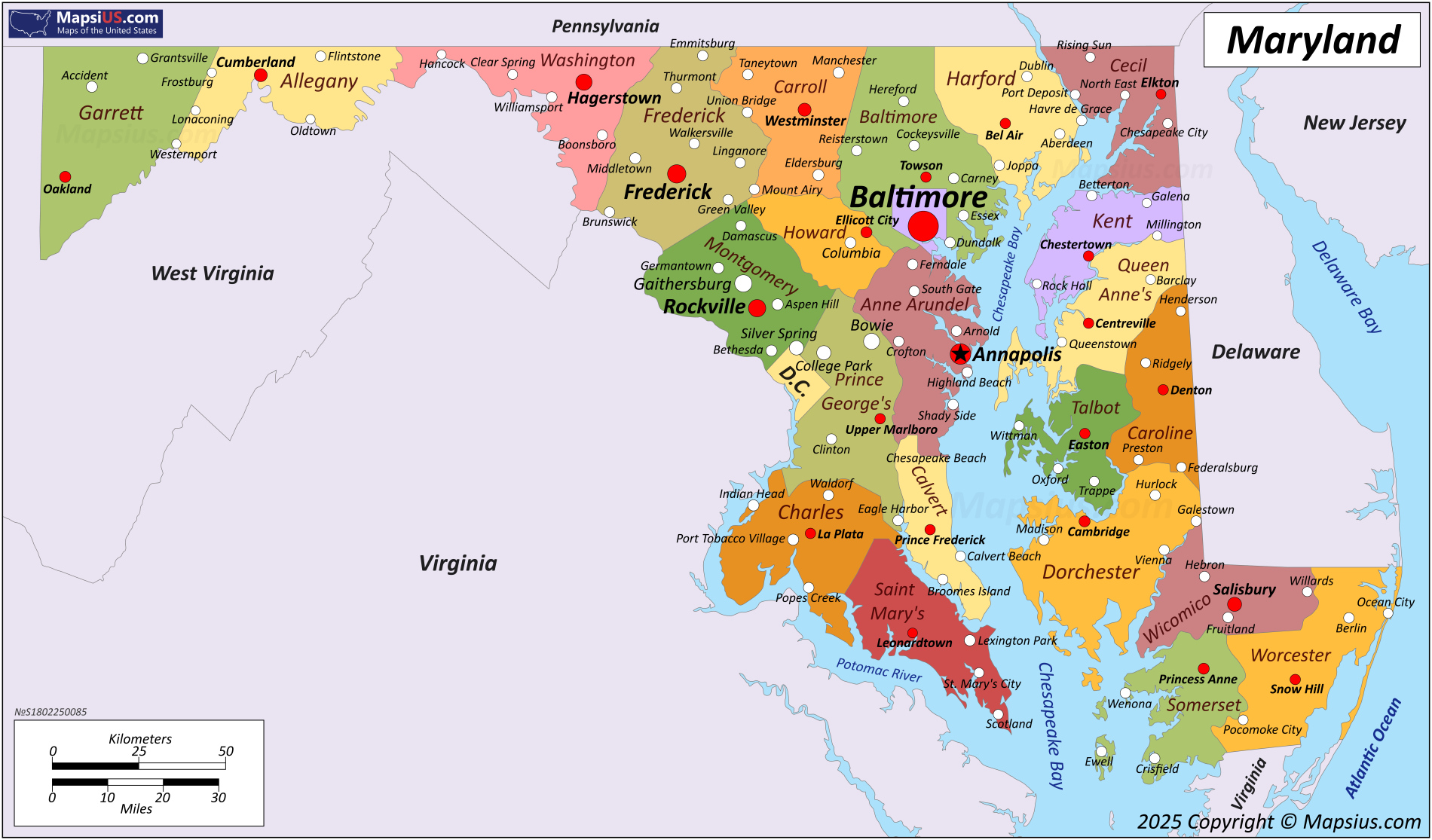
Proximity to federal research anchors like the National Institutes of Health gives Maryland an unmatched edge in biotech. The state targets computational biology and genomics as primary growth drivers. Facilities in Montgomery County and around Baltimore benefit from specialized wet labs, incubator spaces, and direct channels for federal grant commercialization.
Quantum Computing and Advanced Technology
Beyond traditional software, Maryland anchors a growing corridor for quantum technology and cybersecurity. Academic research coming out of the University of Maryland's Joint Quantum Institute feeds directly into local startups. If you're building hardware-adjacent tech or secure communications systems, local state grants and specialized accelerators help bridge the gap between lab research and market deployment.
Aerospace and Positioning Navigation
Federal defense installations create a steady baseline demand for aerospace innovation, specifically in Positioning, Navigation, and Timing (PNT) technologies. Defense contractors, hardware engineers, and logistics startups find a dense network of Tier-1 primes and federal agencies ready for pilot partnerships.
Funding and Venture Capital Infrastructure
Access to capital has historically been a hurdle for mid-Atlantic startups compared to Silicon Valley or New York. Maryland addresses this through structured state-backed investment vehicles designed to de-risk early-stage rounds.
- TEDCO (Maryland Technology Development Corporation): TEDCO acts as the primary engine for tech transfer and early-stage funding, offering programs like the Maryland Innovation Initiative (MII) to spin out university research.
- Regional Venture Networks: The state actively coordinates with institutional investors and regional venture funds to keep capital local, matching private dollars with state-backed equity programs.
- Tax Incentives: Programs like the Biotechnology Investment Incentive Tax Credit provide direct relief for investors willing to back local R&D-heavy companies.
Talent Development and Workforce Initiatives
Scaling a business requires specialized labor. Maryland's economic blueprint integrates workforce development directly with business attraction through modified training grants and higher education alignments.
Programs like EARN (Employment Advancement Right Now) provide flexible industry-led training grants. Instead of generalized job fairs, employers collaborate with community colleges and technical schools to design custom curricula. If your company requires certified cybersecurity analysts or specialized lab technicians, these state-backed pipelines help subsidize the ramp-up cost of hiring local talent.
Navigating Local Regulations and Compliance
Setting up shop in Maryland requires navigating both state-level agencies and county-specific jurisdictions. Montgomery, Prince George's, Baltimore County, and Baltimore City each operate distinct economic development offices with localized incentives.
- Entity Formation: Register your business through the Maryland Department of Assessments and Taxation (SDAT) to secure your corporate charter.
- Local Permitting: Use county-level economic portals to check zoning laws, especially if you require light industrial, lab, or office space within designated innovation districts.
- Compliance: Ensure your enterprise complies with state labor laws, which include specific guidelines on wage transparency and localized paid leave mandates.
Frequently Asked Questions
What financial incentives are available for tech startups in Maryland?
Maryland offers multiple programs, including TEDCO seed funds, the Maryland Innovation Initiative for university spin-outs, and targeted tax credits for biotech and cybersecurity companies investing in local R&D.
How does proximity to Washington, D.C. impact Maryland businesses?
Being adjacent to the federal government creates unique opportunities for B2G (business-to-government) contracts, direct research partnerships with agencies like the NIH and NIST, and access to specialized federal grant funding like SBIR/STTR programs.
Where are the primary innovation hubs located?
The highest concentration of tech and life sciences activity centers around the I-270 "DNA Alley" in Montgomery County, the Baltimore metropolitan area, and the corridor surrounding the University of Maryland in College Park.
How can small businesses access state workforce training grants?
Employers can apply through the Maryland Department of Labor's EARN program, which funds partnerships between businesses, educators, and community organizations to train workers for specific in-demand jobs.


