Navigating phone numbers in Maryland requires knowing how the 301 and 240 area codes interact across the state's most populated counties. Whether you're setting up a local business line, moving to the Washington, D.C. suburbs, or trying to figure out why 10-digit dialing is mandatory, understanding these two codes keeps your calls connecting without a hitch.
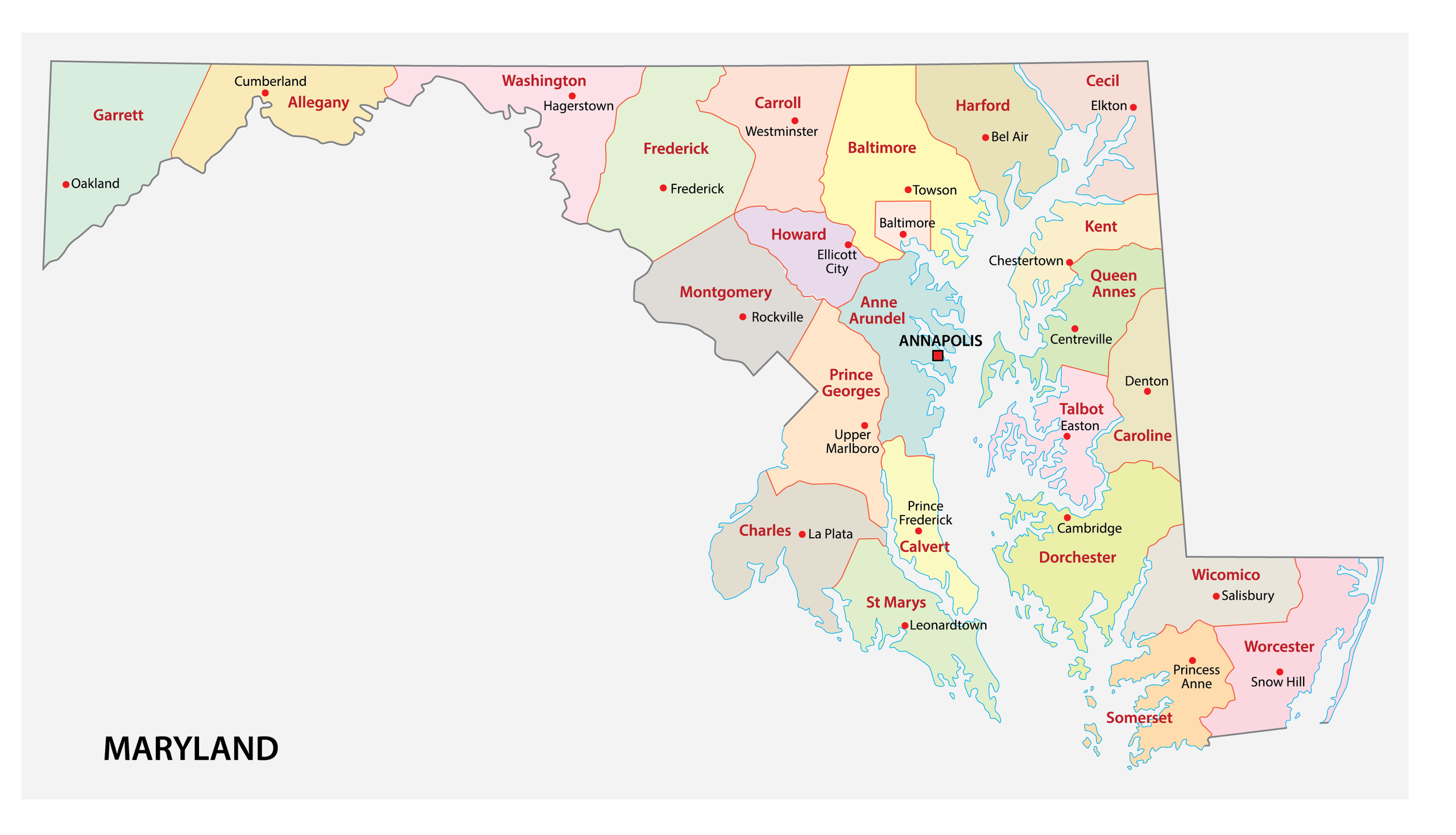
The 301 and 240 area codes serve the western and southern suburbs of Maryland surrounding Washington, D.C., including Montgomery County, Prince George’s County, and parts of the Western Panhandle. Because demand for telephone numbers skyrocketed in the late twentieth century, these two codes share the exact same geographic region in an overlay arrangement, meaning phone numbers with either code exist side by side in cities like Bethesda, Rockville, and Silver Spring.
History and Evolution of Maryland's 301 Code
Back in 1947, when the North American Numbering Plan first launched, 301 wasn't just a regional prefix—it covered the entire state of Maryland. For decades, residents across the Eastern Shore, Baltimore, and the D.C. suburbs all shared this single code.
As population growth and the explosion of fax machines, pagers, and second phone lines strained the system, Maryland split in 1990. The eastern and southern parts of the state transitioned to other codes, leaving 301 covering the western and suburban Washington regions.
By the late 1990s, even that reduced footprint ran out of numbers. Instead of carving up the geography again, regulators introduced the 240 area code in 1997 as an overlay. This change meant new phone lines in Montgomery and Prince George's counties would receive 240, while existing 301 numbers stayed exactly the same.
Geographic Coverage and Major Cities
The combined 301/240 region covers a massive economic and residential engine in Maryland. If you're calling numbers with these prefixes, you're typically reaching locations in:
- Montgomery County: Including Bethesda, Rockville, Gaithersburg, Silver Spring, and Potomac.
- Prince George's County: Including College Park, Bowie, Hyattsville, and Laurel.
- Southern Maryland: Parts of Charles, St. Mary's, and Calvert counties, including La Plata and Lexington Park.
- Western Maryland: Allegany, Washington, and Garrett counties, including Hagerstown and Cumberland.
For an official breakdown of state numbering resources, you can reference guidelines provided by the Maryland Public Service Commission.
Dialing Rules and Mandatory 10-Digit Dialing
One of the most common points of confusion for callers is how to dial local numbers within Maryland's overlay zone. Because two distinct area codes occupy the exact same geographic territory, local seven-digit dialing stopped working years ago.
When calling from a landline or mobile phone within the 301 and 240 region, you must dial the full 10-digit number (area code plus the seven-digit subscriber number), even if you're calling your neighbor across the street who has the exact same area code. If you forget the area code and dial just seven digits, your carrier will usually intercept the call with a recording reminding you to dial the prefix.
Business Benefits of a Local 301 or 240 Number
For companies establishing a presence in the Mid-Atlantic, securing a local phone number carries distinct operational advantages. Customers in the Washington, D.C. suburbs often hesitate to answer calls or trust businesses displaying out-of-state or toll-free numbers.
- Establishing immediate local credibility with consumers in Montgomery and Prince George's counties.
- Improving local search engine optimization performance for map packs and regional listings.
- Simplifying customer service workflows by matching your phone identifier to your physical storefront or target market.
Using a VoIP provider or traditional carrier allows businesses to provision 301 and 240 numbers instantly, even if your physical office operates out of state.
Frequently Asked Questions
Are 301 and 240 toll-free numbers?
No. Both 301 and 240 are standard geographic area codes for landlines and mobile phones in Maryland. Calls between them are billed according to your standard local or cellular calling plan, provided you're within the local calling zone.
Do I need to dial "1" before a 301 or 240 number?
It depends on your carrier and whether you're calling from a landline or mobile device. For most mobile phones, dialing just the 10-digit number (301-XXX-XXXX) works directly. Landlines sometimes require a "1" prefix for regional calls.
What happens when 301 and 240 run out of numbers?
When overlay regions approach exhaustion, telecommunications regulators introduce an additional overlay code. For instance, the 240 code was added to 301, and more recently, the 227 area code was introduced as an overlay for the southern and western Maryland regions to guarantee continued numbering capacity. You can track national numbering updates through the North American Numbering Plan Administrator.
Can I port my 301 number to a mobile phone or VoIP service?
Yes. Federal regulations allow consumers and businesses to port existing phone numbers between traditional landline carriers, cellular providers, and internet-based VoIP services, regardless of whether the prefix is 301 or 240.



