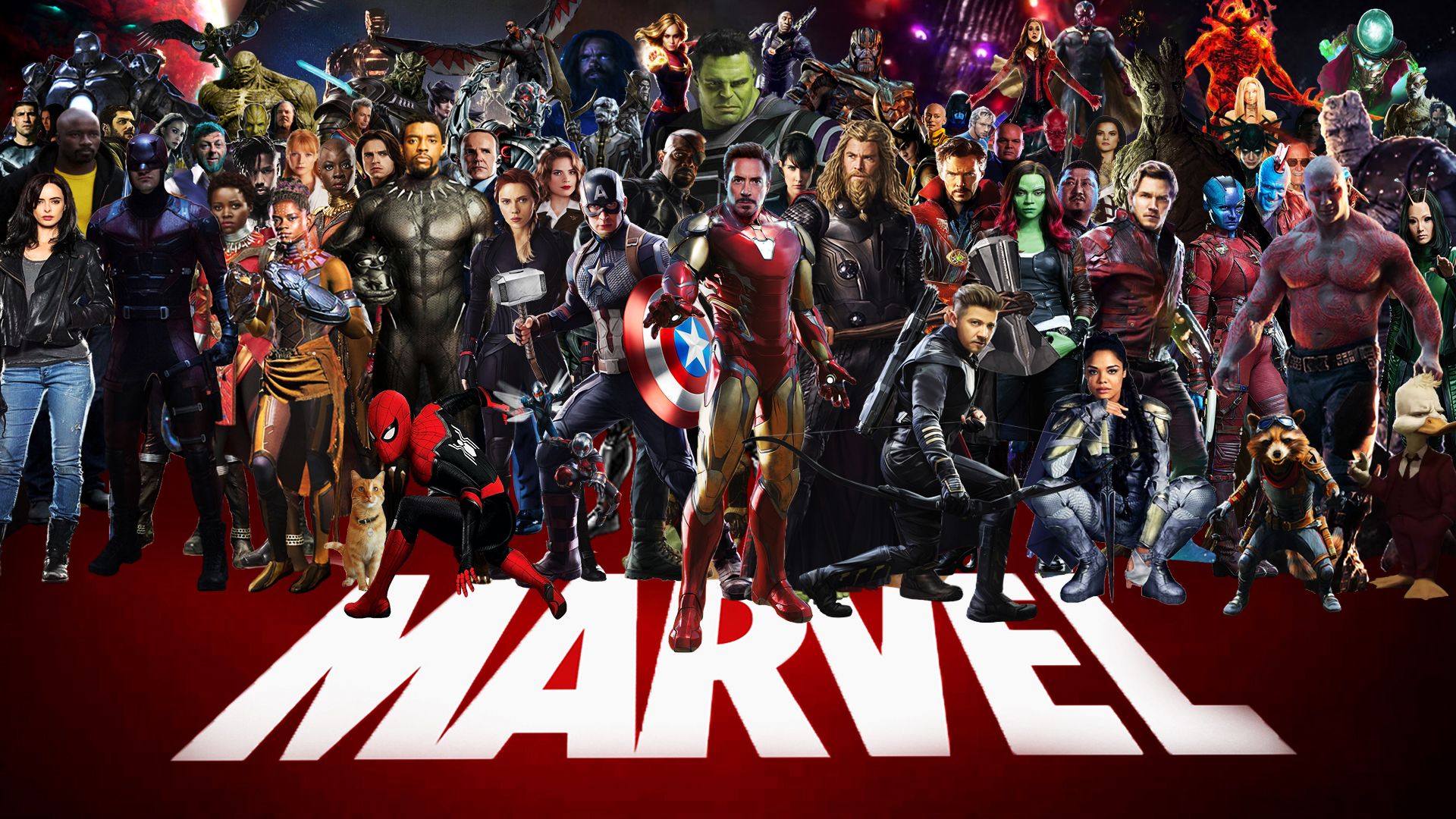
When people talk about the Marvel Cinematic Universe Oscars track record, they usually expect a blank slate or a mountain of golden statuettes. The reality sits somewhere in the middle. Spanning dozens of interconnected blockbusters, the MCU has reshaped global pop culture, yet its relationship with the Academy of Motion Picture Arts and Sciences remains complex. While blockbuster superhero films routinely dominate box office charts, securing Academy recognition outside of technical categories has proven to be an uphill battle.
Examining this cinematic footprint requires looking past the box office earnings to see how the Academy actually evaluates comic book adaptations. From groundbreaking wins in design and score to the persistent barrier of major acting and directing categories, the franchise's awards history offers a fascinating look at Hollywood's shifting standards.
The Milestone Wins: Where Marvel Triumphed
For years, comic book movies were pigeonholed as pure popcorn entertainment, entirely divorced from craft categories like costume design or original score. That perception shifted dramatically with the release of Ryan Coogler's Black Panther.
The film shattered the franchise's major Oscar ceiling by securing seven nominations and winning three Academy Awards:
- Best Costume Design: Ruth Carter made history as the first Black woman to win an Oscar in this category, crafting intricate garments that blended traditional African textiles with futuristic Afrofuturism.
- Best Production Design: Hannah Beachler and Jay Hart brought Wakanda to life, creating sprawling architectural wonders that earned the film its second historic win.
- Best Original Score: Ludwig Göransson wove traditional African instrumentation with a sweeping orchestral score, capturing the cultural heartbeat of the nation.
Subsequent releases like Black Panther: Wakanda Forever continued this momentum, adding another win for Ruth Carter's stellar costume design. These victories proved that Academy voters could recognize blockbuster art direction when the cultural impact and design work reached elite levels of craftsmanship.
Technical Dominance in Visual Effects and Sound
Long before Wakanda swept the stage, the foundation of Marvel's Oscar presence rested squarely in technical domains. Almost every major phase of the franchise has landed contenders in categories like Best Visual Effects, Best Sound Editing, and Best Sound Mixing.
Films like the original Iron Man, The Avengers, Captain America: The Winter Soldier, and Guardians of the Galaxy routinely picked up visual effects nominations. However, converting those nominations into wins has historically proved difficult. The visual effects branch often leans toward historical dramas, intimate character studies, or groundbreaking photo-realism seen in films like Life of Pi or Interstellar. Even so, the sheer logistical feat of digital de-aging, computer-generated environments, and motion-capture integration keeps the studio a consistent presence on nomination morning.
The Acting Legacy: Academy Winners Inside the Cast
A fascinating irony of the MCU is its massive accumulation of pre-existing or post-MCU Academy Award winners. Long before pulling on superhero spandex or motion-capture dots, many core actors and supporting stars already held Oscar gold.
The roster of talent is staggering:
- Robert Downey Jr. earned his long-awaited competitive Oscar win for Oppenheimer, decades after earning early career nominations for Chaplin and Tropic Thunder.
- Natalie Portman brought immense prestige to the Thor franchise, holding an Academy Award for Black Swan.
- Anthony Hopkins, Brie Larson, Cate Blanchett, and Mahershala Ali entered the cinematic universe with established Academy credentials.
Despite this incredible concentration of acting heavyweights, the Academy has historically withheld acting nominations for performances within actual Marvel films. Angela Bassett's nomination for Black Panther: Wakanda Forever stands as a rare, monumental exception for the genre, proving that standard blockbuster performances rarely pierce the acting branch's traditional preferences.
Common Misconceptions About Marvel and the Oscars
Internet forums and casual fans often repeat myths regarding how the Academy treats comic book adaptations. Clearing these up reveals a clearer picture of industry trends:
- Myth: No superhero movie has ever won an Oscar. False. While no film from the shared universe has won a major category like Best Picture or Director, several comic adaptations—including Black Panther, Spider-Man: Into the Spider-Verse (Best Animated Feature), and The Dark Knight—hold competitive wins.
- Myth: The Academy refuses to watch Marvel films. False. The voting body regularly honors them with technical nominations. The friction lies in creative preference rather than an outright boycott.
- Myth: Box office success guarantees nominations. The Academy's voting base often separates commercial dominance from artistic distinction, making massive financial returns irrelevant to a film's Oscar odds.
Frequently Asked Questions
Has any Marvel movie been nominated for Best Picture?
No MCU film has secured a Best Picture nomination. While Black Panther crossed the threshold into a Best Motion Picture – Drama nomination at the Golden Globes and earned seven Oscar nods, the ultimate Best Picture lineup at the Academy Awards has yet to include a Marvel release.
Which Marvel movie has the most Oscar wins?
Black Panther holds the franchise record, taking home three Academy Awards out of its seven total nominations during the 2019 ceremony.
Why do superhero movies struggle to win major Oscars?
Academy voters traditionally favor grounded storytelling, intimate character studies, biographical dramas, and indie projects over large-scale commercial VFX-heavy spectacles. Genre bias remains a quiet hurdle for fantasy and science fiction franchises.
Will Marvel ever win a major above-the-line Oscar?
As storytelling evolves and the Academy expands its voting membership globally, the possibility remains open. However, shifting those odds requires moving away from traditional formulaic blockbusters toward distinct auteur-driven visions. You can track ongoing industry developments directly through the Academy Awards Official Site or industry tracking via Variety.



