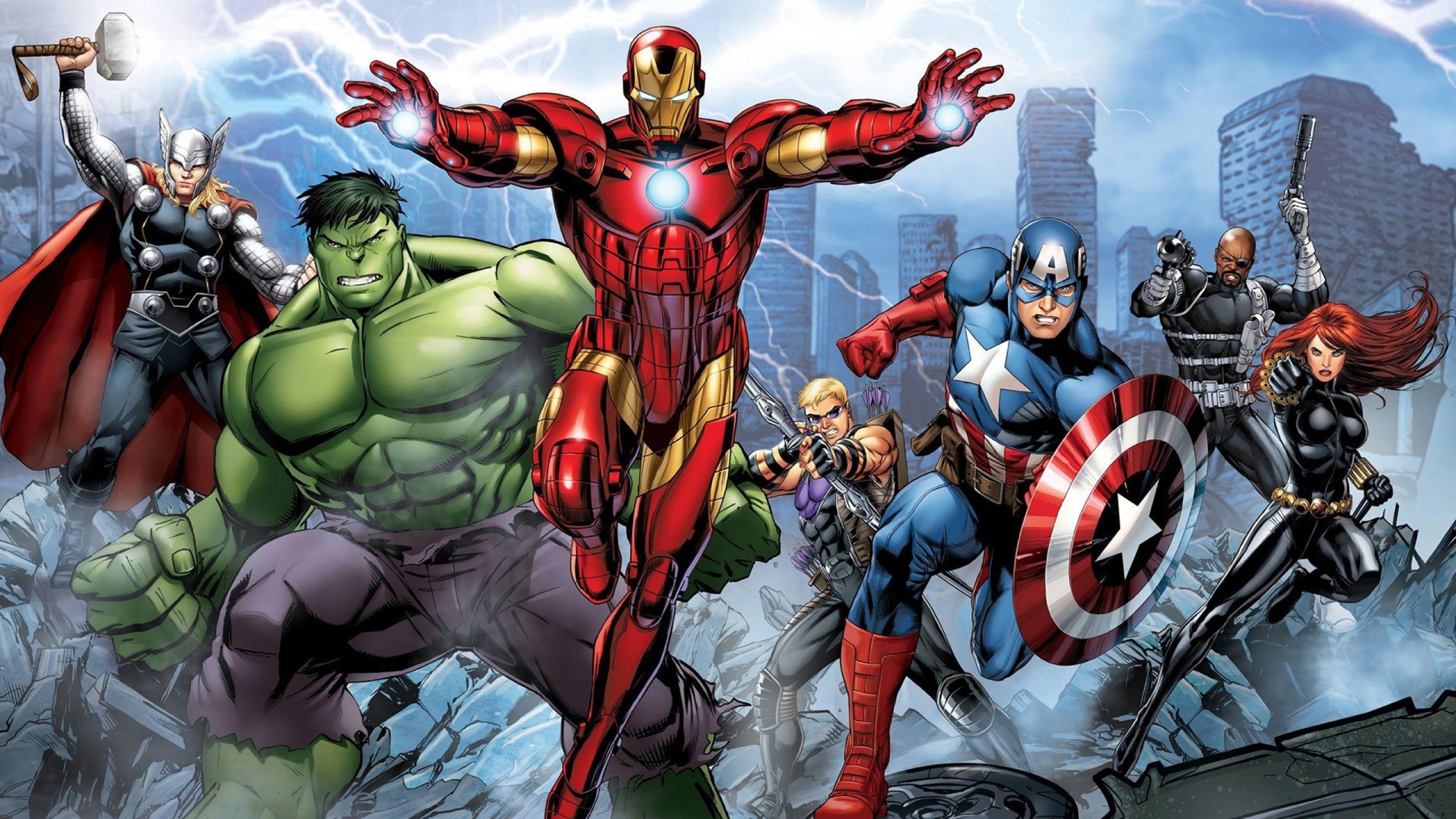
Finding out your Marvel character personality match goes beyond casual pop-culture trivia; it taps into the core psychological frameworks that make iconic heroes and anti-heroes resonate across generations. Whether you align with the tactical discipline of a seasoned strategist or the rebellious streak of an independent outsider, your preferred fictional counterpart reveals a lot about how you navigate pressure, responsibility, and choice.
Most online quizzes sort participants into neat little boxes based on surface-level preferences, such as choosing a weapon or picking a hideout. True alignment requires looking past the capes and high-tech armor to examine core behavioral dimensions. Let's break down the primary archetypes, the psychology behind why we connect with them, and how you can figure out which Marvel persona truly mirrors your daily decision-making style.
The Core Psychology of Marvel Character Archetypes
Personality assessments modeled after comic universes typically map participants across distinct behavioral spectrums. Rather than random assignments, these profiles reflect established psychological traits like the Big Five personality framework, measuring openness, conscientiousness, extraversion, agreeableness, and neuroticism through the lens of heroic tropes.
The Visionary Innovator
If your immediate instinct when facing a crisis is to build a better tool, redesign the workflow, or outsmart the obstacle using raw intellect, you fit the profile of the visionary innovator—typified by Tony Stark.
- Core Drive: Intellectual mastery and creative problem-solving.
- Behavioral Tendency: You rely heavily on autonomy, often questioning established protocols if they seem inefficient.
- Inner Conflict: Balancing the immense weight of foresight with the responsibility of innovation. You might struggle with delegating tasks because you trust your own execution speed.
The Principled Leader
When chaos erupts and everyone looks around for someone to take charge, principled leaders step forward naturally. This archetype, anchored by Steve Rogers, thrives on moral clarity, duty, and protecting the group's collective welfare.
- Core Drive: Upholding ethical standards and defending the vulnerable.
- Behavioral Tendency: Highly disciplined, structured, and deeply loyal to a personal code of honor.
- Inner Conflict: Rigidity. When institutional rules clash with doing what feels fundamentally right, you face immense internal friction.
The Relentless Protector
Some personalities absorb stress and protect others quietly, often bearing heavy emotional or physical burdens without demanding the spotlight. Think of Bruce Banner or similar powerhouse defenders.
- Core Drive: Emotional resilience and shielding allies from harm.
- Behavioral Tendency: Deeply reflective, cautious with inner power, and fiercely protective of close circles.
- Inner Conflict: Managing internal turmoil while maintaining a calm exterior for the sake of the team.
The Strategic Realist
Calculated, observant, and emotionally controlled, the strategic realist operates effectively in the shadows or behind the scenes. Figures like Natasha Romanoff exemplify this analytical approach to high-stakes environments.
- Core Drive: Adaptability, survival, and precision execution.
- Behavioral Tendency: You read a room instantly, assess hidden motives, and plan three steps ahead while keeping your cards close to your chest.
- Inner Conflict: Trust issues. Relying entirely on self-sufficiency can make vulnerability difficult.
How Choice and Responsibility Shape Your Match
In real-world psychological profiles, characters resonate because they mirror our personal relationship with power and authority. Consider how you react to structural rules:
- Compliance vs. Rebellion: Do you view institutional guidelines as necessary frameworks for safety, or do you see them as arbitrary limits designed to be tested? Characters like Loki or Deadpool lean heavily into institutional skepticism, prioritizing personal freedom over systemic order.
- Empathy vs. Logic: When a friend is in distress, is your first impulse to offer immediate emotional validation or to engineer a practical fix? Spider-Man types lean into empathetic community connection, whereas tech-heavy or magic-wielding archetypes often jump straight to analytical troubleshooting.
Common Mistakes When Assessing Your Fictional Match
Many people misidentify their ideal character counterpart because they project who they want to be rather than how they actually behave under stress.
- Choosing Based on Aesthetics: Picking a character simply because you like their costume, weapon, or vehicle often leads to an inaccurate match. Look at how the character handles failure, not just how cool they look winning.
- Ignoring Stress Responses: Your baseline personality might look like a laid-back adventurer, but your crisis response might reveal a hyper-focused strategist. True character matches emerge when stakes are high and choices are forced.
- Static Typing: Human personalities shift over time. If you took a character quiz five years ago, your priorities, risk tolerance, and empathy levels have likely evolved, resulting in a completely different modern match.
Frequently Asked Questions
What makes a Marvel character personality match accurate?
Accuracy depends on evaluating behavioral choices rather than random trivia. Tests that measure decision-making patterns under pressure correlate much better with actual psychological traits than quizzes that simply ask for your favorite color or movie.
Can my character match change over time?
Yes. As your career, responsibilities, and life experiences shift, your approach to problem-solving evolves. Someone who aligned closely with an independent rebel persona in their youth might find themselves matching with a grounded protector or leader archetype later in life.
Are these character tests officially endorsed by Marvel?
Most online personality assessments and quizzes are independent creations built by fans, data projects, or psychology writers. They use well-known fictional archetypes as a familiar framework to make personality typing engaging and accessible.
Why do people connect so deeply with specific heroes?
Fictional characters externalize internal human struggles. Identifying with a specific hero allows individuals to process their own resilience, flaws, and capacity for growth through a narrative lens that feels empowering and personal.


