Marine mammal procreation and social dynamics encompass some of the most complex evolutionary adaptations in the natural world. Breeding strategies, structural hierarchies, and calf-rearing techniques among cetaceans, pinnipeds, and sirenians have evolved to survive harsh aquatic environments. Understanding these mechanics reveals how species balance high metabolic costs with the demands of finding mates and maintaining complex pod networks.
Reproductive strategies in the ocean are largely dictated by physics, resource distribution, and predation pressures. Unlike terrestrial animals that can easily find stationary mates, marine mammals must navigate vast, open water columns or ice edges. This physical reality shapes everything from multi-male breeding competition to long-term matrilineal bonds.
Evolutionary Drivers of Marine Mammal Mating Systems
The mating systems of marine mammals fall into distinct categories based on ecological constraints. Resource defense polygyny, female defense polygyny, and scramble competition dominate different species groups depending on how patchily distributed food and potential mates are.
Pinnipeds, such as elephant seals and fur seals, exhibit extreme sexual dimorphism driven by polygynous breeding systems. Bulls establish dominance hierarchies on land or ice breeding rookeries, fighting intensely for access to harems.
- Resource Defense: Males guard specific territories on breeding grounds where females congregate to give birth and mate.
- Scramble Competition: Common in ice-breeding seals where females are widely dispersed, requiring males to cover vast ranges searching for receptive partners.
- LeK-like Systems: Observed in certain seal species where males gather in water to display vocalizations and physical prowess.
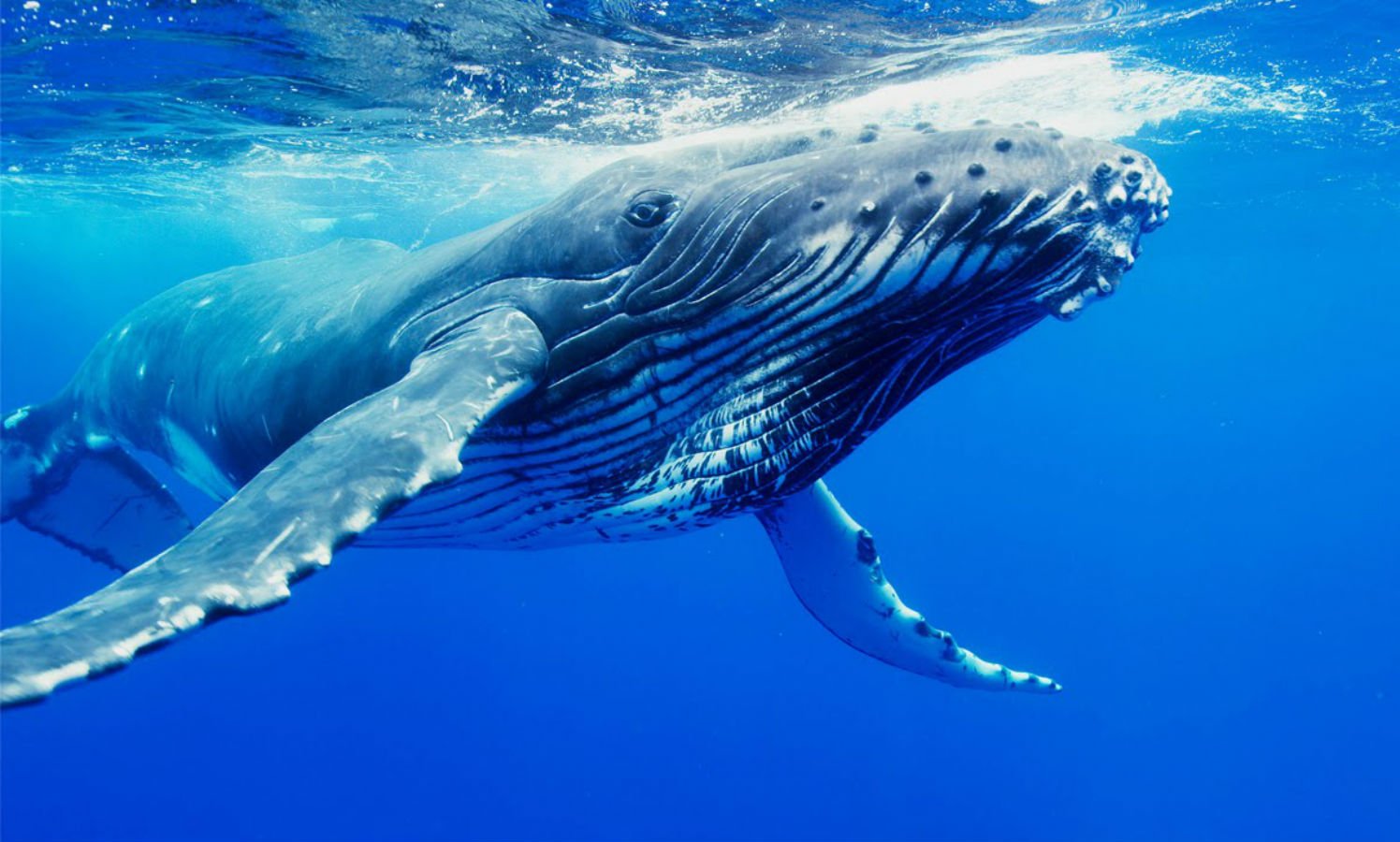
Cetaceans, by contrast, rarely form static harems because of their completely aquatic lifestyle. Instead, humpback whales and right whales use competitive groups, sometimes called mating chases, where multiple males escort a single female, vying for position through physical competition and complex acoustics.
Cetacean Social Structures and Matrilineal Societies
Odontocetes—toothed whales such as killer whales, sperm whales, and pilot whales—form some of the most enduring and stable social networks outside of primates. These societies are typically matrilineal, anchored by older females who hold the collective ecological memory of the pod.
Killer whale ecotypes demonstrate how social structure dictates survival. Resident killer whales live in strict matrilineal pods where individuals of both sexes remain with their mothers for life. Dialects, hunting techniques, and foraging routes pass culturally from generation to generation.
- Matriarch Influence: Older females lead foraging excursions during lean salmon runs, utilizing decades of accumulated migration knowledge.
- Alloparenting: Non-breeding females and even males actively babysit calves, allowing mothers to dive deeper or hunt more efficiently.
- Vocal Learning: Calves acquire pod-specific calls through social imitation, reinforcing group identity and preventing inbreeding.
Sperm whales maintain even larger social units called clans. Female sperm whales and their calves form nursery groups that stay together for years, while mature bulls wander the oceans alone or in bachelor groups, returning to lower latitudes only during breeding seasons.
Gestation, Birth, and Early Calf Development
Procreation in the water introduces unique physiological challenges, particularly regarding thermoregulation, buoyancy, and respiration for newborns. Gestation periods are remarkably long, often lasting between 10 to 18 months depending on the species. Large baleen whales align their pregnancies with seasonal migrations, conceiving in warm tropical winter waters and migrating to high-latitude feeding grounds to give birth.
Calves are born tail-first in almost all cetacean species to prevent drowning during a prolonged labor process. The newborn must swim to the surface for its first breath immediately after birth, often nudged upward by the mother or an alloparenting aunt.
- Colostrum and Milk Transfer: Marine mammal milk is exceptionally rich in fat, often containing up to 50 percent lipids, allowing calves to build a thick blubber layer rapidly.
- Nursing Mechanics: Mothers use specialized muscular contractions to squirt milk directly into the calf's mouth underwater, minimizing loss into the surrounding marine environment.
- Weaning Periods: Ranging from several months in seals to over a year in sperm whales, weaning transitions the juvenile from milk to independent foraging.
Communication and Acoustic Coordination in Social Dynamics
Sound travels nearly five times faster in water than in air, making acoustics the primary medium for marine mammal social interaction and mate selection. Baleen whales rely on low-frequency songs that travel hundreds of miles across ocean basins, while toothed whales utilize high-frequency echolocation and burst-pulse whistles to maintain social cohesion within fast-moving pods.
Humpback whale songs change dynamically across populations within a breeding season. A single male's variation can propagate through an entire ocean basin population, representing one of the few examples of non-human cultural transmission of complex vocal art. Similarly, sperm whale codas—patterned sequences of clicks—serve as clan markers that identify group membership and reinforce social bonds.
For further context on marine species conservation and protections, consult the National Oceanic and Atmospheric Administration guidelines on marine mammal protection, or review academic insights provided through repositories like Smithsonian Ocean.
Frequently Asked Questions
How do marine mammals mate in the water?
Marine mammals mate horizontally or vertically in the water column, depending on buoyancy and flexibility. Because water supports their massive weight, species like whales can engage in complex behavioral displays, synchronized swimming, and multi-male physical competition without the weight constraints faced by terrestrial animals.
Why do some marine mammals have such long gestation periods?
Gestation is extended because growing a large, insulated offspring with a functional layer of blubber and developed neurological systems requires immense metabolic investment. Large whales must synchronize their reproductive cycles with annual migration pulses between feeding and breeding grounds.
How do killer whale pods prevent inbreeding?
Killer whales avoid inbreeding through social structures that encourage mating between different pods or transient-resident ecotype boundaries. Young males often temporarily leave their natal pods to breed with unrelated females in neighboring communities before returning.
What role do older females play in cetacean societies?
Older females, particularly in toothed whale species like orcas and sperm whales, act as repositories of ecological knowledge. They guide the pod to food sources during environmental stress, resolve social conflicts, and participate heavily in the alloparenting of calves.