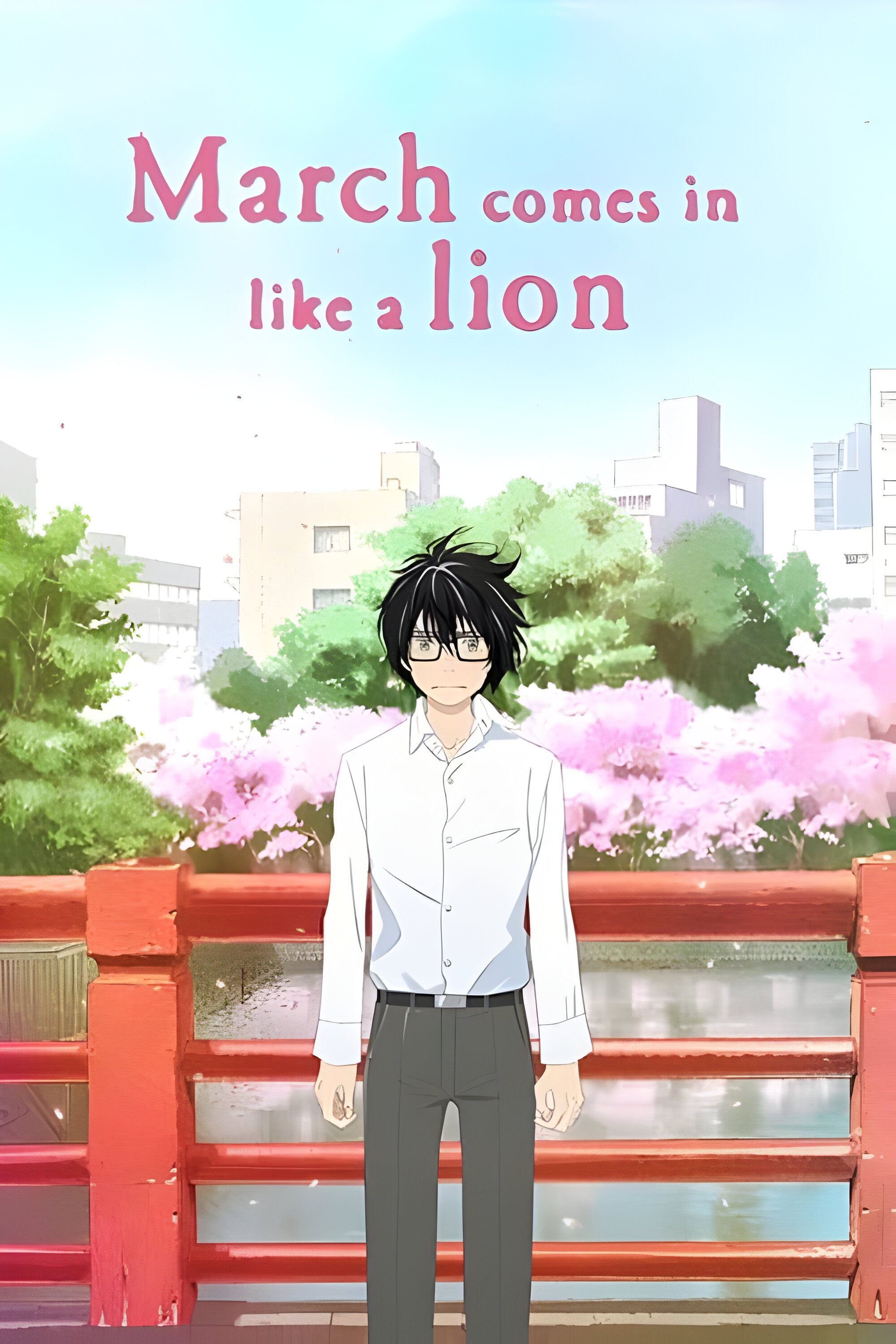
March Comes In Like A Lion is a rare achievement in modern sequential art, treating isolation and emotional recovery with uncommon patience. Written and illustrated by Chica Umino and serialized in Young Animal since 2007, the series follows Rei Kiriyama, a seventeen-year-old professional shogi player navigating deep-seated trauma, crippling social anxiety, and the weight of competing in an adult intellectual sport. Rather than treating shogi as a flashy battle shonen vehicle, Umino uses the board game as an externalized emotional landscape where internal victories matter far more than trophies.
The narrative immediately grounds readers in Rei's stark reality: an empty apartment, skipped meals, and a suffocating silence born from losing his family in a childhood traffic accident. The turning point of his existence arrives through his unlikely bond with the Kawamoto sisters—Akari, Hinata, and Momo—who anchor him to warmth, home-cooked meals, and a community he never knew he needed. If you want to understand why this slice-of-life drama holds a permanent place among critical darlings, you have to look past the board and examine how Umino maps human vulnerability.
The Weight of Silence: Rei Kiriyama and Trauma
Rei's internal world defines the emotional core of the series. Adopted briefly by a rival shogi player of his late father, Rei found himself trapped in a household fractured by jealousy and resentment from his foster siblings, leading him to move out on his own as a teenager. Umino visualizes his psychological state through striking ink work—water imagery, drowning motifs, and empty expanses that mirror panic attacks and depressive episodes.
This approach sets the manga apart from standard sports stories. Rei doesn't play shogi out of burning passion initially; it's the only skill he has left, the sole mechanism keeping him financially independent and physically alive. Every match becomes an endurance test against opponents who have families, stable histories, or external motivations. Umino captures the specific loneliness of being a gifted youth surrounded by adults who view you either as a financial asset or a prodigy to crush.
- Isolation as a physical space: Rei's apartment is deliberately drawn with sparse furniture and empty corners, reflecting his vacant emotional state.
- The burden of expectations: Winning matches often isolates him further, alienating peers who see him as unapproachable or robotic.
- The turning point of connection: Small gestures, like a warm bowl of soup or a casual invitation across the river, slowly chip away at his protective armor.
Shogi as Emotional Warfare
While real-world shogi requires deep strategic calculation, Umino uses the board as a canvas for psychological projection. Matches don't just display tactical openings; they expose players' fears, insecurities, and life histories. When Rei faces veterans, aging players fighting to stay relevant, or fiery rivals like Harunobu Nikaidou, the manga treats every piece movement like a confession.
The matches are tense, but they avoid repetitive tropes. A player's loss isn't just a setback on a ranking chart; it represents a confrontation with their own limitations. For instance, Kai Shimada's arc—representing rural players who sacrifice their health and youth for the game—highlights the grueling human cost of professional competition. You don't need to know how to play shogi to feel the tension, because Umino translates the psychological stakes into universally understood human terms.
The Kawamoto Family and Found Community
If shogi provides the narrative's tension, the Kawamoto household supplies its heartbeat. Akari, Hinata, and Momo operate as a sanctuary for Rei. Their home near the river is filled with the clatter of dishes, the antics of stray cats, and genuine affection.
Umino avoids turning the sisters into one-dimensional caretakers. Hinata faces her own severe trials later in the series, particularly regarding school bullying, which forces Rei to step up and protect someone else for a change. This narrative shift is crucial: Rei transforms from a passive recipient of charity into an active protector, discovering a sense of self-worth that chess trophies could never provide. You can explore more about serialized manga publishing backgrounds through the Hakusensha official site to see how titles of this caliber are cultivated.
Artistic Style and Visual Metaphors
Umino's art style shifts fluidly between soft, expressive character designs and stark, dramatic ink washes. The comedic moments often feature chibi expressions and warm, sketchy lines that evoke classic shojo manga warmth, while serious dramatic beats feature heavy shadows and distorted proportions that convey psychological distress.
- Chibi relief: Used effectively to break up heavy emotional tension without destroying the narrative's sincerity.
- Textural background work: Rain, river water, and changing seasons mirror Rei's internal weather.
- Expressive framing: Panel layouts tighten during high-pressure match moments to induce claustrophobia, then widen dramatically when characters find relief outdoors.
Common Misconceptions About the Series
Readers unfamiliar with the title often mischaracterize it based on brief summaries. Clearing these up helps set proper expectations for newcomers.
- It is not a pure sports manga: If you are looking for rapid-fire tournament arcs and non-stop tactical training like Haikyuu or Chihayafuru, the pacing here is much more reflective and character-driven.
- It is not purely depressing: While dealing heavily with depression, grief, and bullying, the dominant tone is ultimately hopeful, comforting, and grounded in everyday kindness.
- Shogi knowledge isn't required: The rules are secondary to the emotional weight of the matches, and translations often include helpful notes or commentary from professional players.
Frequently Asked Questions
Do I need to know how to play shogi to enjoy this manga?
No. The rules of shogi are explained contextually when necessary, but the core focus is entirely on the characters' emotional journeys, relationships, and personal growth.
Is the manga finished or ongoing?
It is an ongoing series by Chica Umino, published in Hakusensha's Young Animal magazine, with collected tankobon volumes released steadily over the years.
How does the anime adaptation compare to the manga?
The anime adaptation, produced by Shaft, is widely praised as a masterclass in adaptation. It matches the manga's unique tonal shifts, utilizing creative visual direction and stellar sound design to elevate Umino's art. You can look up production listings via Crunchyroll for streaming availability.
What age group is this manga intended for?
While serialized in a seinen magazine (aimed primarily at young adult men), its themes of emotional recovery, school life, and family resonate broadly across adult and teen demographics, generally recommended for readers aged thirteen and up.


