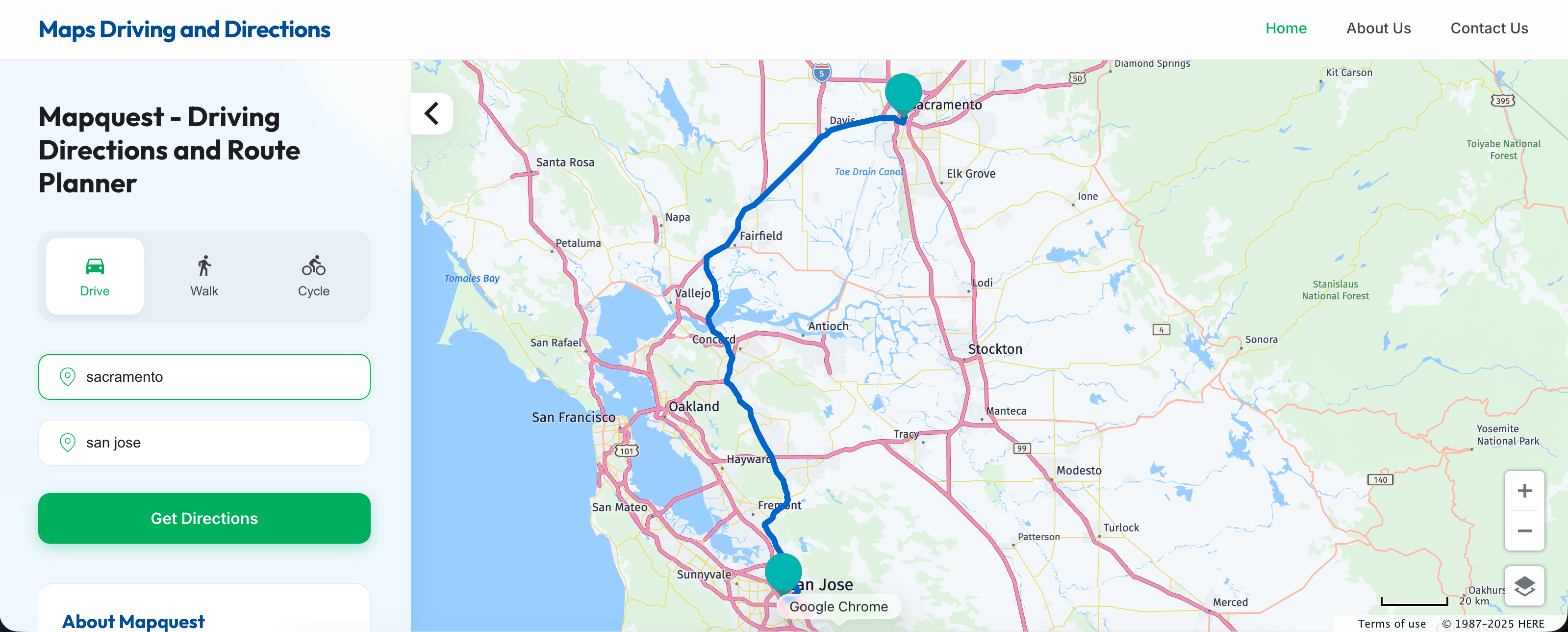
Long before smartphones tracked our every turn with real-time satellite precision, planning a road trip meant printing out crisp, text-heavy sheets of turn-by-turn instructions. MapQuest pioneered this digital revolution in 1996, transforming how humans traversed unfamiliar territory. Though tech giants like Google and Apple eventually captured the mobile market, this veteran web-mapping service still shapes modern GPS architecture, consumer routing habits, and the foundational expectations of digital travel.
Understanding how MapQuest built the digital cartography blueprint helps explain why millions of loyal users still rely on its web and mobile interfaces today. Its historical footprint stretches far beyond nostalgic memories of printer paper stuck to a car dashboard.
The Origins of Web-Based Cartography
Before it dominated early internet browsers, MapQuest's lineage traced back to traditional print cartography. Rooted in the mapping divisions of commercial printing powerhouses during the late 1960s, the enterprise spent decades compiling geographic data bases before launching its public website.
When mapquest.com went live in February 1996, it changed consumer behavior overnight. Users no longer needed physical road atlases or gas station fold-out maps to traverse state lines.
- The Print Era: Travelers highlighted physical lines on paper maps, estimating distances manually.
- The Web Breakthrough: Users typed starting points and destinations into desktop browsers, generating structured textual routes.
- The Print Culture: Millions of households kept reams of paper next to home computers, tearing off trip logs before heading out on vacation.
This shift established the concept of point-to-point digital directions. It proved that everyday consumers wanted automated route computation, setting the stage for the GPS revolution that followed a decade later.
How the Pioneer Lost and Retained Market Share
As mobile phones evolved, the mapping landscape shifted dramatically. Apple and Google integrated native GPS apps directly into smartphone operating systems, giving them an insurmountable distribution advantage. MapQuest faced severe headwinds as users migrated toward pocket-sized devices that tracked location automatically.
Yet, the platform never vanished. Acquired by various corporate parents over the years—including a massive multi-billion-dollar stint under AOL and later transitions to Verizon and System1—the service carved out a resilient niche. Millions of desktop users continued utilizing its clean interface for travel planning, route comparison, and finding local businesses.
Recent platform updates have injected modern capabilities into the veteran service. Features like lane guidance, voice prompts, and integration with automotive dashboards show that older platforms can adapt to contemporary software expectations without losing their core identity. You can track these ongoing updates directly through industry coverage on outlets like Autoevolution.
The Structural Legacy Left Behind
MapQuest's primary contribution to modern movement isn't just nostalgia; it's the structural framework of how we conceptualize travel routing. Several core interface conventions originated or were popularized during its peak years:
- Text-Based Milestones: Breaking journeys down into discrete, sequential maneuvers trained drivers to anticipate turns rather than reacting blindly.
- Web-to-Vehicle Planning: Establishing the habit of pre-planning complex multi-stop road trips on a larger screen before executing them on the road.
- Business-Directory Integration: Merging geographic points with local commerce, allowing travelers to locate gas stations, hotels, and restaurants along a specific corridor.
These design patterns influenced every subsequent mapping interface. Even as algorithms grew sophisticated enough to predict traffic jams and reroute cars automatically, the fundamental mental model of entering an origin and destination remains tied to the trail MapQuest blazed.
Modern Relevance in a Multi-App Ecosystem
Today, drivers rarely rely on just a single navigation tool. While real-time congestion apps dominate daily commutes, web-based route planners remain valuable for desktop itinerary building. Comparing cross-country mileage, mapping out complex multi-destination road trips, and reviewing alternative regional routes often works better on a spacious monitor than a cramped phone screen.
The longevity of America's original mapping site demonstrates a vital software lesson: utility breeds endurance. Even when outpaced by heavily funded competitors, maintaining a fast, reliable, ad-supported web utility keeps a brand relevant across generations of users. For a deeper dive into the economics and history of digital mapping companies, look at analyses published by FourWeekMBA.
Frequently Asked Questions
Does MapQuest still exist as an active service?
Yes. The platform operates actively via its web portal and mobile apps, offering routing, traffic updates, and voice navigation features.
Why did MapQuest lose its dominant market position?
The platform missed the early mobile hardware shift. When smartphones launched with pre-installed native navigation apps, users naturally gravitated toward tools built directly into their device operating systems.
Can you still print driving directions from MapQuest?
Yes. Print-friendly layouts remain a core feature, making it a favorite tool for users who prefer physical backup copies of their travel itineraries.
How does MapQuest make money today?
The platform operates primarily on digital advertising revenue, serving targeted ads alongside maps, local business listings, and route results.



