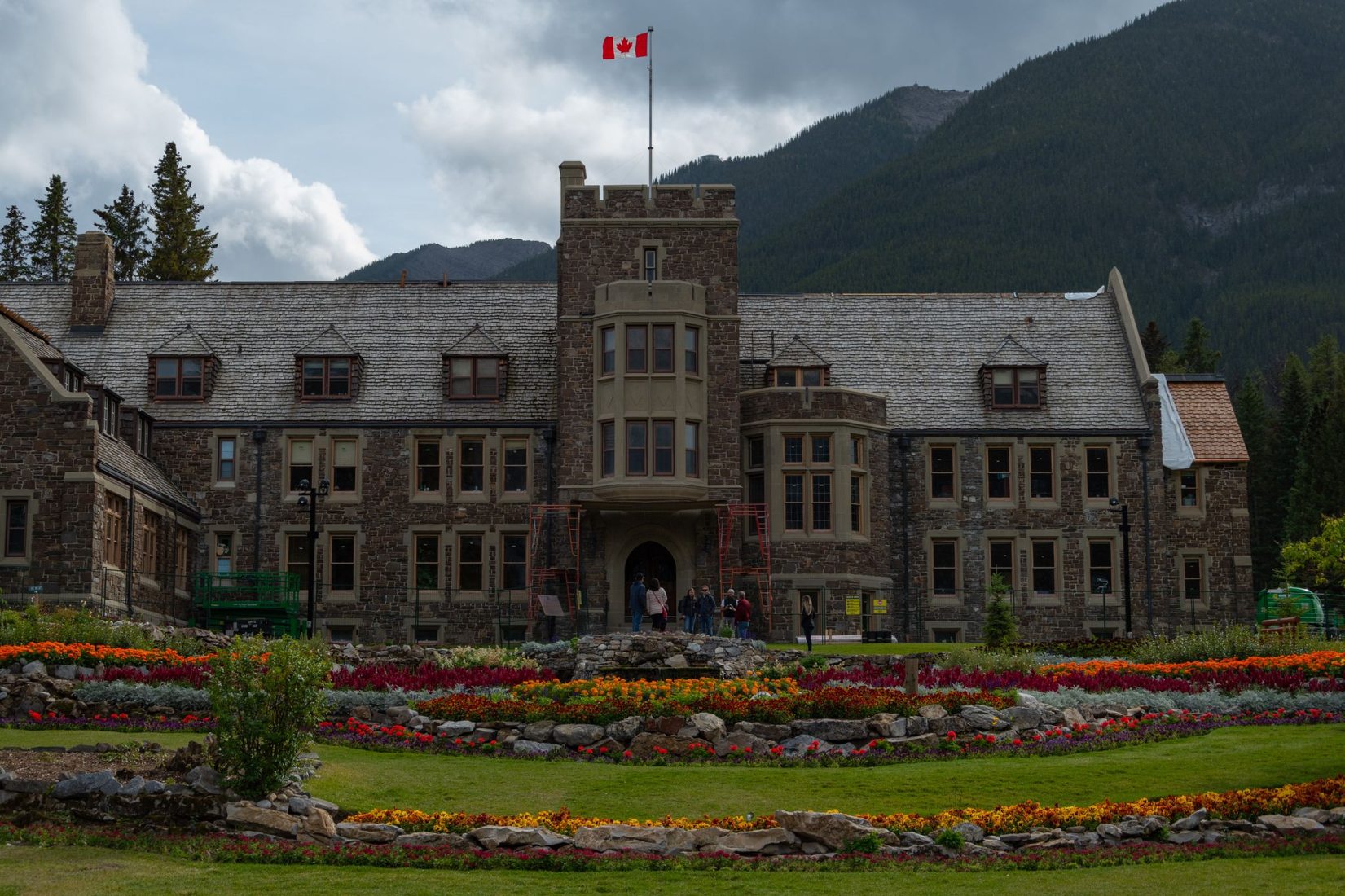
Manteca, California has transformed from a quiet agricultural hub into one of the fastest-growing municipalities in the state. Situated in the Northern San Joaquin Valley, the city combines strategic geographic positioning with proactive local governance to attract major commercial investments and thousands of new residents. This growth trajectory requires careful balancing between modern infrastructure expansion, housing development, and the preservation of local community character.
Understanding how Manteca manages this rapid evolution offers a clear blueprint for mid-size city development in California. Driven by relative housing affordability compared to the San Francisco Bay Area, commercial projects like the Great Wolf Lodge, and targeted downtown revitalization initiatives, the local economy is shifting rapidly.
Geographic Advantage and Regional Connectivity
Location remains the primary engine driving economic momentum in Manteca. Positioned at the intersection of major transportation corridors including State Route 99, Interstate 5 via State Route 120, and the grid linking the Port of Oakland to the Central Valley, the city serves as a natural logistics and distribution node.
Commuters and commercial carriers find the city's positioning ideal for regional mobility. While the Bay Area faces persistent housing cost pressures, Manteca provides alternative residential options paired with lower commercial overhead for expanding enterprises. Related coverage on this matter has been provided by BBC.
- Transportation Links: Direct access to Highway 120 and Route 99 connects local businesses to major California consumer markets within a two-hour radius.
- Freight and Logistics: Proximity to major rail lines and distribution hubs supports industrial warehousing growth.
- Commuter Hub: A large percentage of the resident workforce maintains employment ties to the Silicon Valley and East Bay regions while living locally.
Population Expansion and Housing Dynamics
Demographic shifts underline Manteca's broader economic story. Between the 2010 and 2020 census periods, the city recorded a population increase of over 24 percent, pushing total figures past 90,000 residents. Current tracking places Manteca among the top-ranking growth cities in California on a percentage basis.
This influx has triggered massive residential subdivision approvals. Thousands of single-family homes and multi-family units are currently built or planned across the municipal footprint. However, rapid housing construction creates distinct municipal challenges, requiring synchronized investments in wastewater treatment capacity, school district expansions, and arterial road networks.
Managing Infrastructure Demands
Growth brings immediate pressure on municipal services. City planners coordinate public-private financing mechanisms, including impact fees levied on developers, to fund expanded utility plants and roadway widening projects. Without these steady capital streams, traffic congestion and strained public utilities can quickly offset the financial benefits of new rooftops.
Commercial Diversification and Tourism
Historically reliant on agriculture and light manufacturing, Manteca has actively diversified its economic base. The arrival of regional entertainment anchors and hospitality venues has changed the local sales tax generation profile.
The opening of the Great Wolf Lodge indoor water park resort serves as a watershed moment for tourism-driven revenue. It proves that the city can attract regional family traffic, which in turn supports secondary retail, dining, and hotel developments nearby. The city's economic development division targets similar high-impact entertainment, retail, and corporate hospitality projects to capture discretionary spending that previously leaked to neighboring Stockton or Modesto.
The Family Entertainment Zone Initiative
Municipal leaders designated specific zones for commercial entertainment development to streamline site selection for investors. By offering pre-zoned land and a dedicated business concierge service through city hall, Manteca reduces the friction typically associated with commercial real estate development in California.
Downtown Revitalization and Small Business Support
While highway-adjacent commercial corridors expand, local officials recognize the importance of maintaining a healthy historic core. Downtown Manteca has undergone targeted revitalization efforts to activate underutilized storefronts and encourage pedestrian-friendly dining and retail.
Programs like SizeUp Manteca provide local entrepreneurs with business intelligence tools, market research, and demographic data. This data-driven approach helps independent shops identify underserved retail categories and optimize survival rates during their critical initial years of operation.
- Facade Improvements: Municipal grants assist downtown property owners with exterior building renovations.
- Community Events: Street fairs and seasonal markets bring foot traffic directly to legacy downtown merchants.
- Streamlined Permitting: The local zoning portal allows business owners to verify code compliance and apply for licenses online.
For more details on local business portals and zoning resources, check the City of Manteca Economic Development Division. Additional regional context can be reviewed via the Manteca Chamber of Commerce.
Economic Challenges and Sustainability Risks
Rapid growth does not occur without friction. Manteca faces complex policy decisions regarding agricultural land preservation, water resource management, and affordable housing mandates under state guidelines.
- Water Security: Securing long-term surface water allocations and managing groundwater recharge basins remains paramount during drought cycles.
- Traffic Mitigation: Commuter corridors face peak-hour bottlenecks as suburban tracts expand further south and east.
- Balancing Jobs and Housing: Historically a bedroom community, Manteca must continue attracting high-wage local employment sectors to reduce outbound commuter dependency.
Addressing these issues requires transparent public hearings and long-term general plan updates managed by the California Department of Finance demographic tracking units and local planning commissions.
Frequently Asked Questions
What factors drive Manteca's high population growth rate?
Manteca attracts new residents primarily due to lower median home prices compared to the San Francisco Bay Area, coupled with central highway access and family-oriented suburban master-planned communities.
How is Manteca diversifying its local economy?
Beyond traditional agriculture and warehousing, the city actively recruits tourism, hospitality, and entertainment projects—exemplified by the Great Wolf Lodge resort—while expanding local retail and professional services.
What resources are available for new businesses looking to open in Manteca?
The city provides a dedicated Economic Development Division offering concierge services, online zoning portals, small business intelligence software, and direct guidance on local development incentives.
How does Manteca fund infrastructure updates for new housing developments?
The city relies heavily on developer impact fees, state and federal infrastructure grants, and municipal bonds to expand wastewater facilities, roadway systems, and public safety services in step with residential growth.



