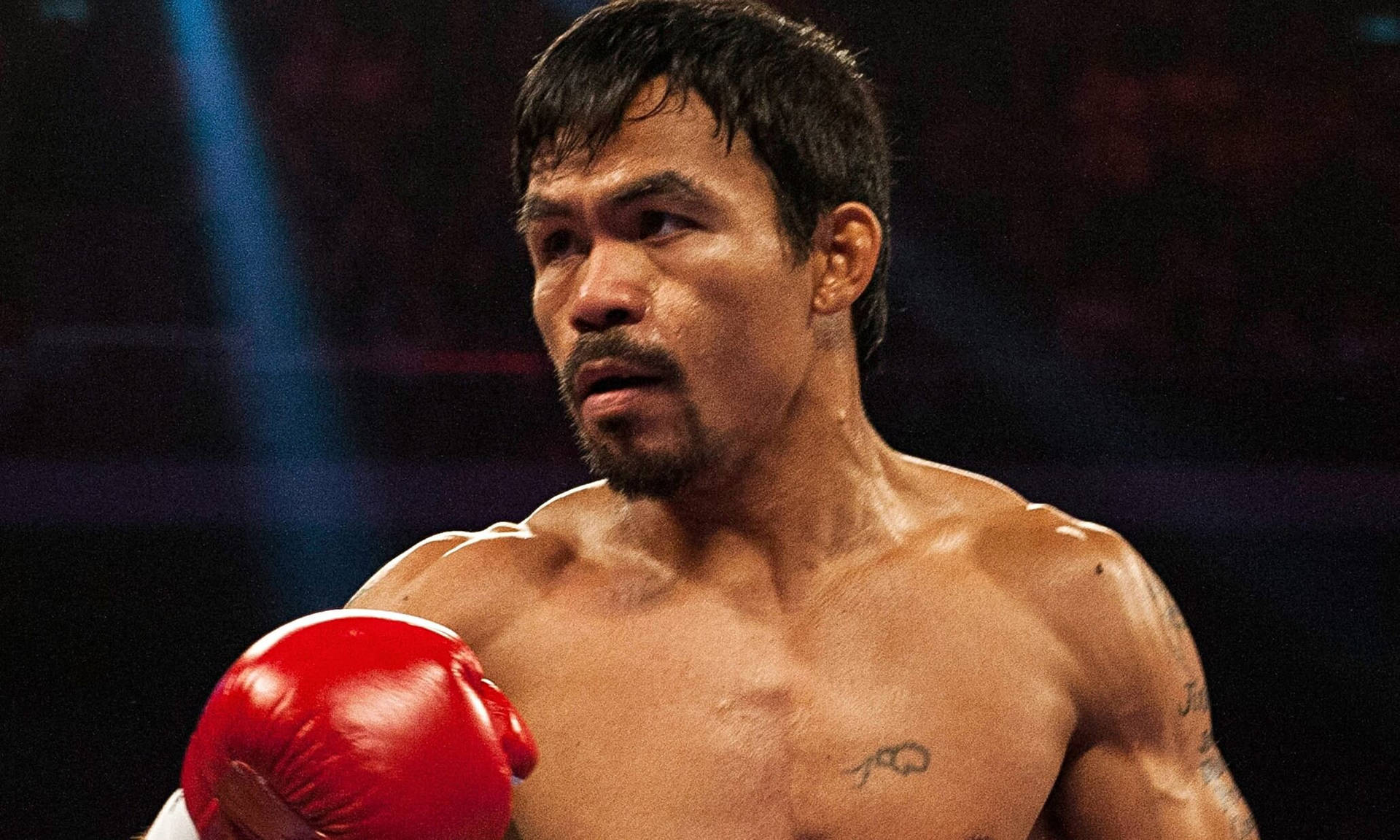
Manny Pacquiao’s journey from a starving teenager fighting on the streets of General Santos City to a global boxing icon defies conventional sports science. Achieving greatness across eight different weight divisions requires more than raw power; it demands an adaptive style that evolved alongside his biological clock. While most fighters fade as they approach their thirties, Pacquiao redefined athletic longevity by turning relentless speed and dynamic footwork into weapons that bridged multiple eras of boxing.
Understanding how age shaped his career means looking past simple birth dates and examining the specific physical and tactical adjustments he made. From a lightning-fast flyweight knockout artist to a calculating veteran fighting elite welterweights, Pacquiao’s trajectory offers a masterclass in athletic evolution.
The Early Years: Rapid Rise Through Lower Divisions
Born on December 17, 1978, Pacquiao entered professional boxing out of pure survival necessity as a teenager. Fighting at minimumweights and flyweights during the mid-1990s, he cut extreme amounts of weight while still growing. His body absorbed immense strain, yet his youth fueled an explosive, high-volume style that overwhelmed opponents.
He captured his first major world title on December 4, 1998, by knocking out Chatchai Sasakul to win the WBC flyweight championship at just 19 years old. At this stage, his primary advantages were raw speed, unorthodox angles, and a devastating left hand. However, maintaining that style required severe weight manipulation. Recognizing the toll it took, his team orchestrated a calculated ascent through the divisions.
- Flyweight to Super Bantamweight: Transitioned swiftly as his frame matured naturally.
- The Lehlohonolo Ledwaba Fight (2001): Took a championship bout on two weeks' notice, dominating the IBF super bantamweight division and announcing his arrival on the American stage.
- The Featherweight Breakthrough (2003): Decisively stopped Marco Antonio Barrera, proving his power carried upward despite moving away from his weight-cutting comfort zone.
Hitting Prime: Speed Meets Ring IQ at Middle Ages
By the time Pacquiao reached his late twenties and early thirties, conventional wisdom suggested his speed-dependent style would crater. Instead, he entered his athletic prime. Under the guidance of trainer Freddie Roach, Pacquiao transformed from a one-dimensional brawler into a sophisticated offensive machine who entered and exited the pocket at blinding angles.
His legendary sequence of victories between 2008 and 2010 showcased an athlete operating at peak synergy. He moved up multiple weight classes to dismantle elite names without losing his trademark velocity:
- Oscar De La Hoya (2008): Retired the "Golden Boy" on his stool after eight rounds by utilizing superior foot speed and constant lateral movement.
- Ricky Hatton (2009): Delivered a second-round knockout that stands as one of the most defining sequences of modern boxing.
- Miguel Cotto (2009): Punished a brutal puncher over twelve rounds to secure a title in his seventh weight division.
During these years, Pacquiao proved that explosive hand speed could offset physical disadvantages against naturally larger men. He didn't rely on brute strength; he relied on timing and volume to suffocate opponents before they could set their feet.
Longevity and Late-Career Adaptations
As he moved past 35, Pacquiao faced the inevitable physical decline that catches up to every champion. Muscle recovery slowed, and he could no longer sustain the reckless, non-stop punching output of his twenties. Yet, rather than retiring, he adapted his strategy into a more disciplined, energy-conserving style.
His 2014 rematch victory against Timothy Bradley and his 2019 masterclass against the undefeated Keith Thurman at age 40 highlighted this maturity. Instead of throwing a hundred punches per round, he selected his spots with surgical precision, utilizing veteran savvy to control the pace of the ring.
This longevity wasn't accidental. It stemmed from strict discipline in his recovery routines, careful management of training camp intensity, and a fighting intelligence built over decades of high-level competition. Even into his forties, he remained a competitive force in the world's most talent-rich division, proving that a smart fighter can outlast a younger brawler.
Common Mistakes in Analyzing Boxing Longevity
Casual observers often misinterpret how fighters like Pacquiao maintain success across multiple decades. Avoiding these analytical pitfalls helps paint an accurate picture of his career:
- Attributing Success Solely to Genetics: While natural fast-twitch muscle fibers played a role, Pacquiao's survival through dozens of wars was driven by constant tactical evolution and defensive adjustments.
- Ignoring Weight Class Dynamics: Moving up eight weight classes means fighting men who rehydrate to vastly larger sizes. Pacquiao's ability to maintain punching power across those jumps is far more significant than his raw record.
- Overlooking Training Load Management: Aging fighters who train with the exact same volume as their youth usually burn out. Pacquiao learned to spar smarter, reducing wear and tear on his joints.
Frequently Asked Questions
How many weight divisions did Manny Pacquiao conquer?
Pacquiao won major world titles in eight distinct weight classes, starting from flyweight up to super welterweight, a feat that remains unprecedented in boxing history.
What was Pacquiao's fighting style and why did it age well?
He relied on an unorthodox southpaw stance, lateral footwork, and exceptional hand speed. As he aged, he transitioned from a high-risk swarm fighter to a counter-puncher who used bursts of activity rather than constant pressure.
How did Manny Pacquiao manage his weight as he got older?
In his early career, he suffered through severe weight drains to make lower limits. Moving up into welterweight and light middleweight divisions allowed his body to settle into a natural walking weight, drastically improving his late-career stamina and recovery.
When did Manny Pacquiao officially retire from professional boxing?
After a storied career spanning multiple decades, Pacquiao announced his retirement following his bout against Yordenis Ugás to focus on his public service and political career in the Philippine Government.
Learn more about his legislative career and Senate of the Philippines initiatives, or explore historical archives via The Ring Magazine to track how his ranking evolved through the decades.



