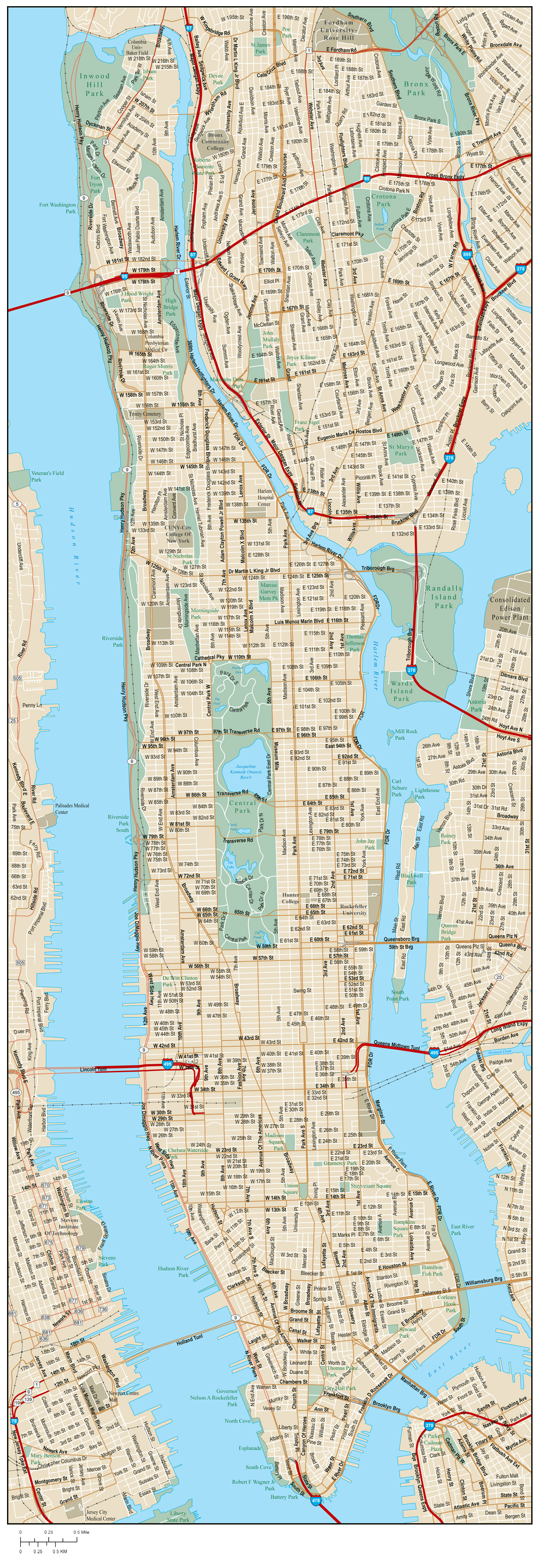
Amsterdam Avenue cuts a fascinating, historic path through Manhattan, stretching north from the artistic bustle of Lincoln Center up past Morningside Heights and Harlem. Once known as Tenth Avenue, this corridor has evolved from a nineteenth-century transit and industrial route into one of the most resilient and dynamic residential zones in New York City. Property buyers, investors, and urban planners watch this artery closely because it reflects broader shifts in how people live, work, and spend in the metropolis.
Real estate values along Amsterdam Avenue command attention due to a unique blend of preserved architectural heritage and modern high-rise development. Unlike the commercial glare of Broadway or the quiet exclusivity of Central Park West, Amsterdam Avenue maintains an authentic neighborhood feel. It balances historic brownstones with contemporary luxury towers like 200 Amsterdam Avenue, drawing buyers who want neighborhood character paired with modern amenities.
The Architectural Evolution of Amsterdam Avenue
The built environment along Amsterdam Avenue tells a story of shifting municipal priorities and changing architectural styles. During the late nineteenth and early twentieth centuries, the avenue filled with Romanesque Revival and Queen Anne style tenements, apartment houses, and institutional buildings. Architects used warm brick, intricate terracotta detailing, and brownstone trim to establish a distinct streetscape that survives today in historic districts.
Zoning laws and historical preservation efforts shaped the modern real estate profile of the corridor. Portions of Amsterdam Avenue fall within designated historic districts, protecting low-rise facades and nineteenth-century storefronts from demolition. This preservation creates a scarcity of available land, driving up property values for existing co-ops and condos. Buyers compete fiercely for pre-war apartments featuring high ceilings, original moldings, and herringbone hardwood floors.
At the same time, recent decades brought high-rise residential infill, particularly near Lincoln Center and the northern fringes near academic institutions. These modern structures introduced floor-to-ceiling glass, private outdoor spaces, and high-end finishes that contrast sharply with the historic street wall. This architectural juxtaposition creates a diverse housing stock where buyers can choose between century-old craftsmanship and twenty-first-century luxury.
Real Estate Value Drivers Along the Corridor
Property values on Amsterdam Avenue don't just happen by accident. Several distinct economic and geographic factors influence why apartments here command high price-per-square-foot metrics compared to outer-borough alternatives.
Proximity to green space remains a primary value driver. Central Park and Riverside Park sit within a short walking block on either side of much of the avenue. Apartments with park views or easy park access enjoy a permanent valuation premium.
Transportation infrastructure also anchors real estate stability. The corridor benefits from multiple subway lines, including the local and express stops on the seventh avenue and broadway lines (such as the 1, 2, 3, B, and C trains). Commuters can reach midtown or downtown Manhattan in minutes, making the location ideal for professionals who refuse long commutes.
Commercial vitality fuels residential demand. Unlike quieter residential streets tucked away toward the rivers, Amsterdam Avenue features a vibrant street-level economy. Independent bakeries, specialty grocers, bookstores, and sidewalk cafes line the avenue. This walkable neighborhood culture appeals directly to urban dwellers who prioritize lifestyle convenience over suburban square footage.
Urban Living Trends Reshaping the Avenue
Urban living preferences shifted significantly over the past decade, and Amsterdam Avenue adapted faster than many other Manhattan corridors. The rise of remote and hybrid work models changed what buyers look for in an apartment. Home offices, flexible second bedrooms, and reliable building-wide connectivity now rank higher on buyer checklists than they did twenty years ago.
Outdoor space transformed from a luxury afterthought into a primary requirement. Condominiums and co-ops along Amsterdam Avenue that feature common roof decks, private balconies, or courtyard gardens saw significant price appreciation. Properties lacking outdoor access often had to adjust pricing to attract buyers in a competitive market.
Walkability and sustainability also guide buyer decisions. Residents living along this corridor rely heavily on foot traffic, CitiBike stations, and public transit rather than personal vehicles. Buildings that upgraded their infrastructure for energy efficiency, secure package delivery rooms, and bicycle storage units capture higher interest from younger buyers entering the market.
Investment Performance and Market Dynamics
Analyzing market trends across the Upper West Side and Morningside Heights shows that real estate along Amsterdam Avenue holds its value well during broader economic downturns. Co-op boards maintain strict financial requirements, keeping buildings well-capitalized and protected against high default rates.
Condominium developments, while carrying higher entry price points, attract international investors and domestic buyers looking for liquid assets in Manhattan. Median listing prices for multi-bedroom condos frequently exceed two million dollars, while smaller studios and one-bedroom units offer entry points for first-time buyers willing to navigate co-op application processes.
Property taxes and maintenance fees represent a critical component of ownership costs along the avenue. Buyers must factor in monthly maintenance or common charges, which often rise to cover aging infrastructure in pre-war buildings or luxurious staffing in newer towers. Savvy investors look closely at a building's reserve fund before making an offer to avoid unexpected assessments.
Common Mistakes Buyers Make on Amsterdam Avenue
Navigating the Manhattan real estate market requires local insight. Buyers frequently stumble into predictable traps when targeting properties along this historic artery.
Ignoring noise levels is a frequent misstep. Because Amsterdam Avenue functions as a major north-south transit route for buses, emergency vehicles, and local traffic, lower-floor apartments facing the street can experience significant street noise. Buyers should visit properties at different times of day to gauge acoustic impacts.
Overlooking co-op board restrictions can derail a purchase. Many classic buildings along the avenue enforce strict debt-to-income ratios, down payment minimums (often 20 to 25 percent or higher), and outright bans on subletting or pied-à-terre ownership. Failing to review building financials with a specialized real estate attorney leads to wasted time and lost earnest money.
Misjudging renovation costs in pre-war buildings creates severe budget overruns. Opening up walls in a century-old apartment often reveals outdated electrical wiring, cast-iron plumbing, or structural surprises that require expensive remediation before cosmetic upgrades can begin.
Frequently Asked Questions
Is Amsterdam Avenue considered a noisy street for residential living?
Traffic noise varies by block and floor height. Sections near major cross streets or hospitals experience higher decibel levels, while upper-floor units and apartments facing side streets offer surprising peace and quiet.
How do property values on Amsterdam Avenue compare to Broadway or Columbus Avenue?
Broadway often carries heavier traffic and commercial density, while Columbus Avenue tends to feature quieter residential stretches and boutique shopping. Amsterdam Avenue occupies a middle ground, offering robust commercial activity with slightly more accessible price points per square foot in certain segments.
Are pre-war co-ops or modern condos a better investment here?
Pre-war co-ops generally offer lower purchase prices per square foot and rich architectural detail, but they come with stringent board rules and higher monthly maintenance fees. Modern condos provide flexible rules, fewer restrictions on renting, and contemporary amenities at a higher initial acquisition cost.
What subway lines serve the Amsterdam Avenue corridor?
The corridor enjoys close proximity to the 1, 2, and 3 local and express lines along Broadway, as well as the B and C underground lines running along Central Park West, ensuring rapid transit access across Manhattan.


