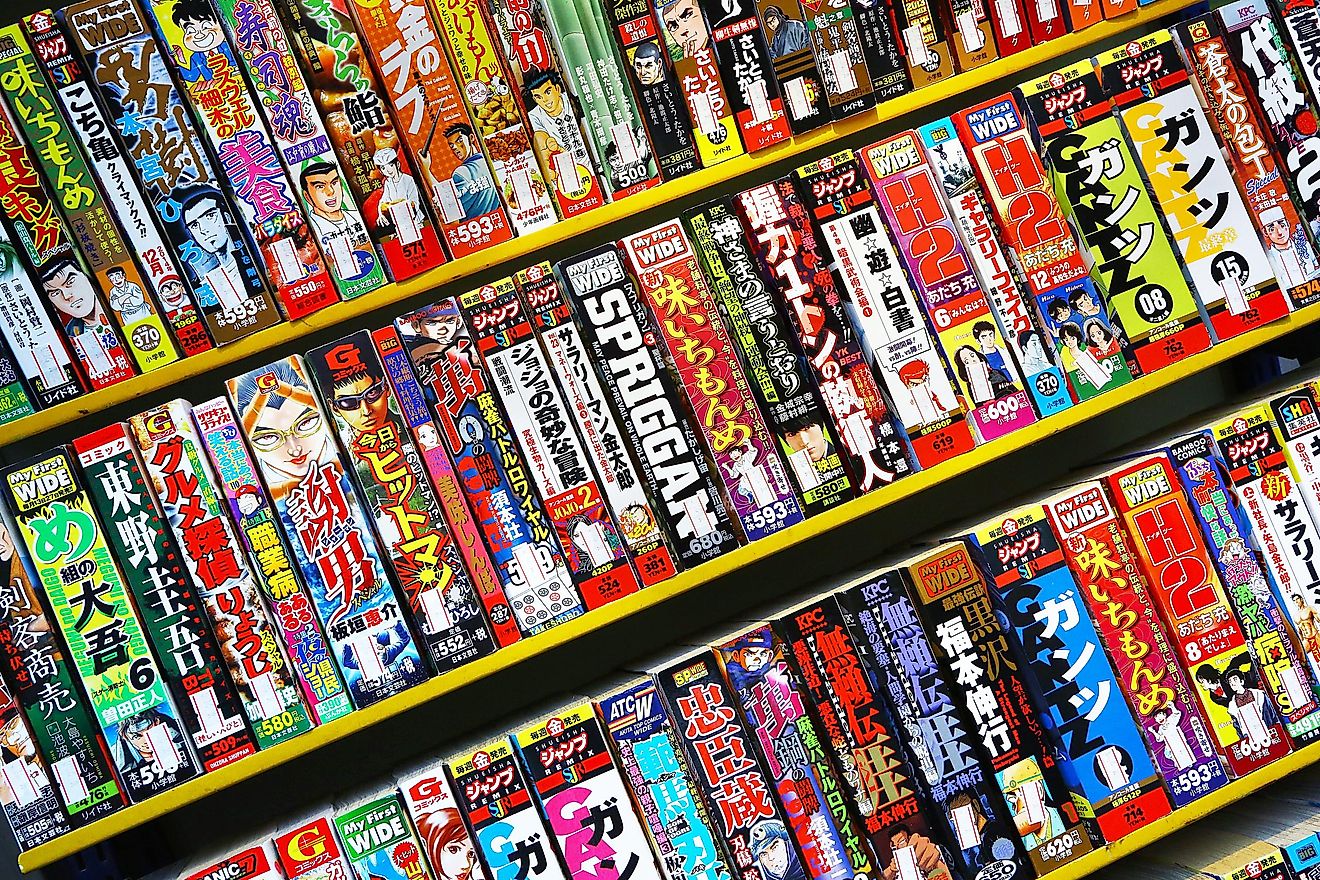
Japanese comics have grown from niche domestic prints into a multi-billion-dollar global cultural force. If you're picking up your first tankobon volume or trying to understand how serialized magazines work, entering this medium can feel overwhelming. Let's break down how manga functions, how to read it, and what makes this storytelling format unique.
At its core, manga refers to Japanese comic books and graphic novels created according to a distinct visual and structural style developed in Japan. Unlike Western comic books, which often feature full-color monthly issues centered on superhero continuity, manga is traditionally published in black and white inside massive weekly or monthly anthology magazines. Successful series are later compiled into standalone graphic novel volumes called tankobon.
The History of Japanese Comics
The roots of modern manga stretch back centuries, but its contemporary form took shape immediately after World War II.
Early precursors include twelfth-century animal scrolls attributed to Toba Sojo and eighteenth-century ukiyo-e woodblock prints. However, the post-war devastation created a cultural vacuum where affordable entertainment thrived. Storytellers used kamishibai (paper theater) and simple comic strips to entertain children amidst material scarcity.
The true turning point arrived with Osamu Tezuka. Often called the godfather of the industry, Tezuka introduced cinematic techniques to comics, including dynamic motion lines, expressive character designs, and sweeping story arcs that spanned multiple volumes. His work on Astro Boy and subsequent titles established the commercial model for both modern manga and anime production. Throughout the 1970s and 1980s, creators expanded demographic categories, giving rise to distinct genres aimed at young boys, young girls, and adult workers.
Core Demographic Categories
Manga is categorized primarily by target readership demographics rather than genre alone. These labels dictate tone, pacing, and editorial expectations.
- Shonen: Aimed at adolescent males, these stories focus on camaraderie, personal growth, martial arts, and high-stakes competition. Examples include One Piece and Naruto.
- Shoujo: Targeted toward young female readers, these titles prioritize emotional depth, interpersonal relationships, romance, and psychological nuance. Examples include Fruits Basket and Sailor Moon.
- Seinen: Created for adult men, these comics explore darker, more complex, or mature themes, ranging from gritty political thrillers to psychological horror. Examples include Berserk and Monster.
- Josei: Designed for adult women, these stories offer realistic portrayals of romance, workplace struggles, and personal independence without sensationalized tropes. Examples include Nana and Paradise Kiss.
- Kodomomuke: Written specifically for young children with wholesome, accessible moral lessons.
How to Read Manga Properly
Reading manga requires adjusting to conventions that differ from Western print media.
First, you read from right to left. Panels flow from the top right corner of the page to the bottom left. When scanning a single page, your eyes should move horizontally across the right side before dropping to the next tier of panels.
Second, speech bubbles and dialogue follow the same directional rule. Read the rightmost speech bubble or text block first, then move left across the panel. If multiple characters speak in a vertical stack, read top to bottom as usual, but prioritize the rightmost column when lines overlap horizontally. Sound effects printed as stylized Japanese characters often blend directly into the background art; translations usually provide subtle romanized or translated annotations nearby.
The Production and Serialization Process
Understanding how manga reaches readers explains why weekly cliffhangers are so intense.
Most popular series begin in weekly or monthly anthology magazines like Weekly Shonen Jump, published by companies such as Shueisha. These thick magazines contain chapters from twenty different ongoing series.
Mangakas (creators) operate under grueling schedules. A typical lead creator works with a small team of assistants responsible for backgrounds, screentones, and inking. The editor acts as a crucial sounding board, advising on pacing, character arcs, and reader feedback. If a series fails to rank high in reader surveys week after week, the magazine's editorial board may force an abrupt cancellation or rushed conclusion.
Common Mistakes for Beginners
- Starting with long-running epics: Diving straight into a series with over one thousand chapters can lead to burnout. Try self-contained graphic novels or shorter completed series first.
- Confusing manga and anime: While closely related, manga is the static print source material, whereas anime is the animated adaptation. They often feature different pacing, filler content, or divergent endings.
- Ignoring digital legal platforms: Relying entirely on pirated scanslation sites hurts creators. Platforms like Manga Plus offer official, simultaneous releases of current chapters.
Frequently Asked Questions
What is the difference between manga and anime?
Manga refers strictly to Japanese printed comic books and graphic novels. Anime refers to Japanese animated films and television series. Many anime adaptations are based on existing manga, but they are distinct artistic mediums.
Why are most manga volumes published in black and white?
Weekly serialization schedules make full-color printing impossible for tight deadlines. Black and white allows artists to utilize ink weights, screentones, and stark contrast to create detailed, atmospheric artwork under extreme time constraints.
How do I know if a manga is finished or ongoing?
Check publisher databases or retail listings before starting. Completed series list a specific number of total volumes, while ongoing titles indicate that new chapters are still being serialized in Japan.
Can I learn Japanese by reading manga?
Manga can help you recognize common conversational vocabulary and sound effects, but it isn't an ideal standalone language tool. Slang, informal speech patterns, and historical dialects make direct translation difficult for beginners.


