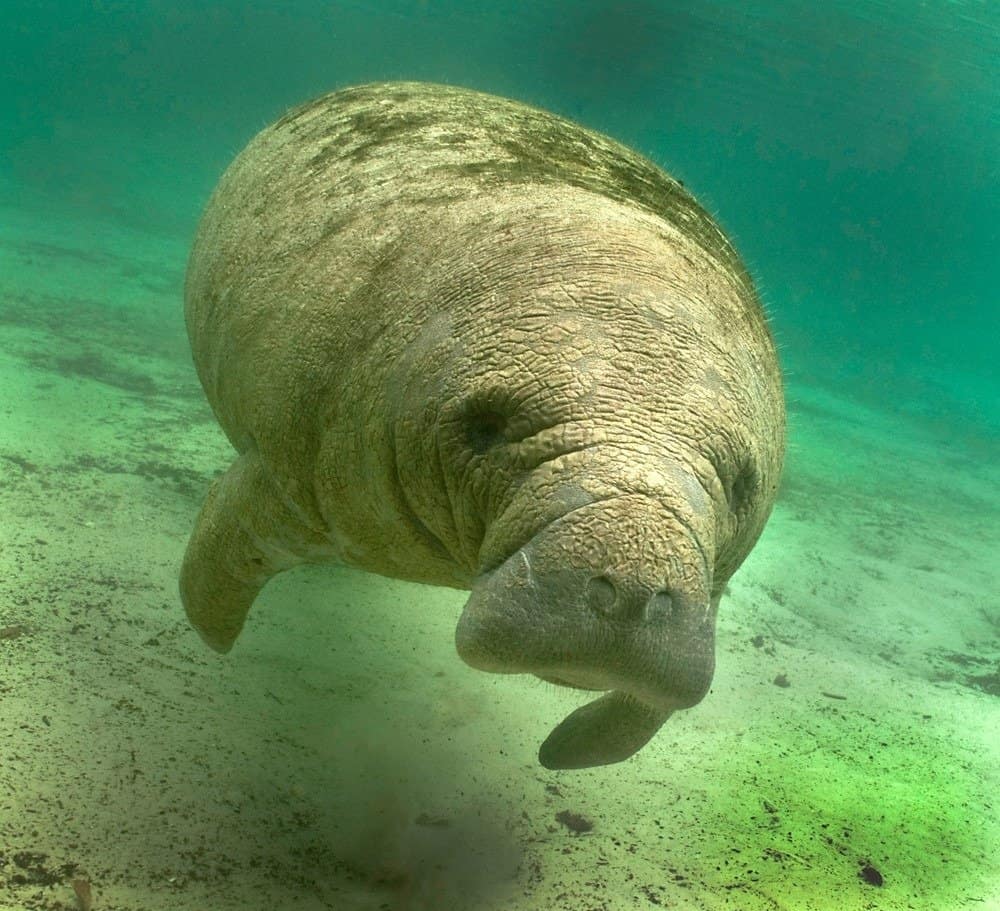
When a thousand-pound marine mammal drifts silently through a sun-dappled spring, local waterways transform completely. Manatees don't just inhabit rivers and coastal estuaries; they reshape how we experience these aquatic ecosystems, turning quiet channels into living wonderlands. Watching these slow-moving herbivores graze on freshwater vegetation offers a rare window into a peaceful natural world that feels entirely separate from modern life.
Understanding these creatures requires looking past their whimsical reputation to examine their actual daily habits, habitat needs, and the fragile environments they sustain. From their surprising evolutionary ties to land-dwelling mammals down to the strict rules governing human interaction, these gentle giants demand both our admiration and our active protection.
The Daily Life and Habits of Marine Mammals
Adult manatees typically measure around ten feet long and weigh between 800 and 1,200 pounds. Despite this massive scale, they navigate narrow creeks and shallow bays with surprising grace, propelled by broad, paddle-shaped tails. They spend a large portion of their waking hours grazing on seagrasses and freshwater vegetation, consuming up to ten percent of their body weight daily.
Because they possess a low metabolic rate and very little body fat, they cannot survive in water temperatures dropping below 68 degrees Fahrenheit. When winter temperatures drop across coastal regions, they congregate near natural warm-water springs or industrial outflow areas to stay warm.
- Resting Patterns: Manatees often rest submerged for up to 20 minutes before surfacing gently for a quick breath through their nostrils.
- Social Structure: While mostly solitary, they gather in loose herds during cold snaps or mating seasons. Mothers maintain tight bonds with their calves for up to two and a half years.
- Vocalizations: They communicate underwater using high-pitched chirps and squeaks, particularly when mothers and calves get separated in murky water.
Habitat Engineering and Ecosystem Health
Manatees act as vital gardeners within their aquatic habitats. By grazing heavily on fast-growing aquatic plants and seagrasses, they help maintain clear channels and prevent certain plant species from choking out local waterways. Their movement through shallow estuaries also helps cycle nutrients through the sediment, supporting a diverse web of fish, crustaceans, and other marine life.
Protecting these ecosystems requires balancing human recreation with wildlife preservation. According to the Florida Fish and Wildlife Conservation Commission, regional populations face continuous pressures from human development, changing water quality, and shoreline alterations. Preserving natural spring runs and limiting chemical runoff ensures that these animals retain the clean freshwater sources they need to survive.
Responsible Wildlife Viewing and Ecotourism
Encountering a wild manatee is an unforgettable experience, but proximity carries responsibility. Because these animals are protected under federal law via the U.S. Fish and Wildlife Service, harassing, touching, or giving food and water to them is strictly prohibited. Ecotourism operators in designated sanctuaries emphasize passive observation, allowing visitors to watch from kayaks or boats without disrupting natural behaviors.
- Keep Your Distance: Always remain at a respectful distance and avoid cornering resting or nursing manatees in shallow coves.
- Watch Your Speed: If you operate a watercraft in designated slow-speed zones, wear polarized sunglasses to spot surfacing animals and avoid prop scars.
- Minimize Wake: Sudden loud noises and fast boat wakes startle resting animals, forcing them to expend vital energy reserves.
Frequently Asked Questions
Do manatees live in saltwater or freshwater?
Manatees are euryhaline, meaning they move freely between freshwater rivers, brackish estuaries, and saltwater coastal bays. However, they must regularly drink fresh water to survive.
How long do manatees live in the wild?
Under optimal conditions without human-related threats, manatees can live for 60 years or more.
Why do manatees have algae growing on their backs?
Because they move slowly through warm, sunlit shallow water, microscopic algae frequently grow on their skin. This layer is entirely harmless and sometimes provides camouflage against muddy river bottoms.
How fast can a manatee swim?
While they usually cruise at a leisurely pace of three to five miles per hour, they can burst up to twenty miles per hour over very short distances if startled.



