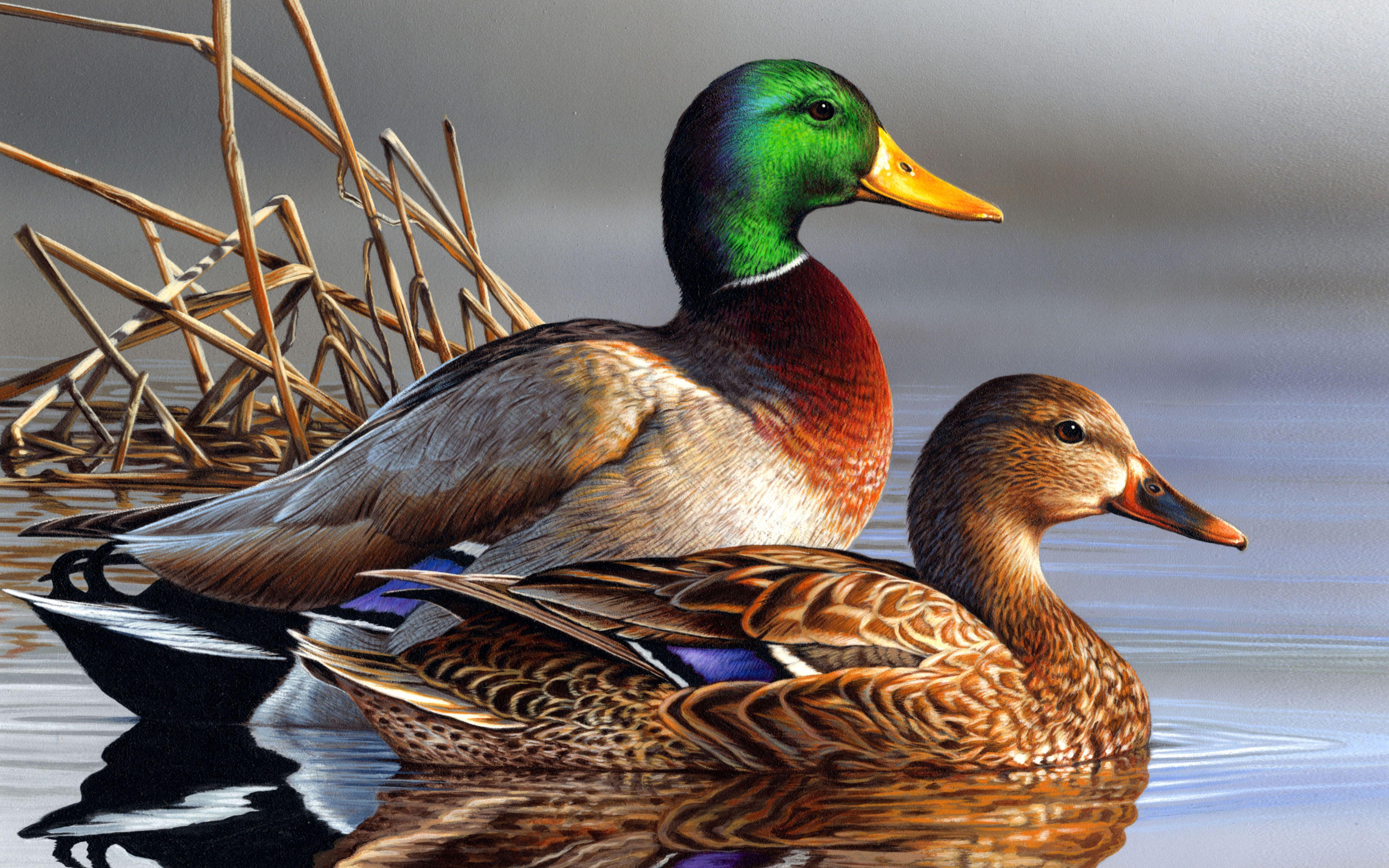
Spring socializing has shifted away from crowded indoor venues toward outdoor, interest-driven gatherings. Among these, the mallard date party has emerged as a distinct cultural footprint, blending outdoor exploration with structured social interaction. Rather than relying on traditional high-pressure mixers, participants gather in green spaces to observe local waterfowl while building connections in a low-stakes environment. This trend reflects a broader cultural desire for intentional, slower-paced socializing that counters screen fatigue and urban isolation.
Understanding how this phenomenon operates requires looking past the novelty of the name. These events combine elements of amateur ornithology, casual outdoor picnicking, and themed social pairing. Whether organized by university student groups or informal local clubs, the format relies on shared observation to break the ice, replacing awkward small talk with a collective focus on the natural environment.
Core Mechanics of a Mallard Date Party
A successful gathering requires specific preparation to balance outdoor engagement with social mixing. Unlike standard parties held in private homes or rented venues, these events take place in public parks, wetland reserves, or university arboretums during peak spring migration periods.
Participants generally arrive equipped with basic field gear, including compact binoculars, pocket-sized bird identification guides, and weather-appropriate layers. Organizers often establish small groups of four to six people to prevent awkward pairing and ensure diverse conversation dynamics.
- The Briefing Phase: A quick ten-minute introduction where organizers outline basic park etiquette, point out safety boundaries, and distribute species checklist cards.
- The Observation Window: A structured forty-minute walk along a designated waterfront path where participants quietly spot, note, and photograph local wildlife.
- The Debrief Picnic: A communal gathering on the grass where attendees share findings, compare notes, and transition into casual socializing over shared food and drinks.
Why Outdoor Shared-Interest Socializing Works
Traditional party formats often place heavy emphasis on face-to-face conversation right from the start, which can induce social anxiety. By introducing a focal point—such as tracking mallard ducks, identifying local flora, or mapping wildlife movements—the social dynamic shifts from performance to collaboration.
Psychologically, shared attention reduces the pressure on individual participants. When two people look at the same object, their cognitive load distributes evenly, freeing up mental space for organic conversation. This format naturally filters for individuals who enjoy low-sensory, outdoor environments. It eliminates the loud music and crowded rooms that often make traditional mixers draining for introverted participants.
Planning Your Own Spring Social Gathering
Organizing a localized event requires attention to environmental impact, venue rules, and participant comfort. If you're looking to host a similar gathering this spring, follow these practical steps to ensure success:
- Select a Regulated Habitat: Choose public parks with established waterfowl populations that can safely handle groups without disrupting nesting wildlife. Always check local conservation guidelines regarding feeding and distance rules.
- Keep Groups Manageable: Limit total attendance to twenty or thirty people maximum. Oversized groups scatter wildlife and make it difficult for participants to mingle effectively.
- Provide Analogue Tools: Encourage participants to leave phones in their pockets except for quick photography. Supplying printed checklists or pocket field guides enhances the tactile, unplugged nature of the event.
- Plan for Weather Variances: Spring weather is notoriously unpredictable. Choose locations with nearby shelters or pavilions in case of sudden rain showers, and advise attendees to wear sturdy walking shoes.
Common Pitfalls to Avoid
Even casual outdoor events can face logistical hurdles if organizers overlook basic details. Avoiding these mistakes ensures a smooth experience for everyone involved:
- Disrupting Local Ecosystems: Getting too close to nesting sites or feeding bread to ducks ruins the educational value and harms the local fauna. Keep a respectful distance of at least fifty feet.
- Over-Structuring the Itinerary: While some structure prevents social awkwardness, scheduling every single minute turns a relaxing outdoor walk into a stressful checklist. Leave plenty of open time for organic chats.
- Neglecting Accessibility: Choosing remote trails with steep inclines or unpaved mud paths can alienate participants with mobility constraints. Always scout paths beforehand to ensure they are accessible.
Frequently Asked Questions
What should participants wear to an outdoor wildlife social event?
Dress in layers suitable for changing spring temperatures, along with waterproof footwear since you will likely walk near ponds or damp grass. Bright, neon colors can startle wildlife, so earth tones or muted outdoor wear work best.
Are these gatherings only for experienced birdwatchers?
No prior ornithology knowledge is required. The primary goal is socializing in a relaxed setting, with bird spotting acting merely as an icebreaker rather than a serious academic exercise.
How do you handle food logistics in a public park?
Keep food simple and portable. Finger foods, sandwiches, and reusable water bottles in a backpack prevent waste and eliminate the need for heavy cooler setups during the walking phase of the event.
Can these events be hosted in urban environments without large nature reserves?
Yes. City parks featuring ornamental ponds, university campuses with retention basins, or urban botanical gardens often support healthy mallard populations and provide ideal accessible settings for afternoon gatherings.



