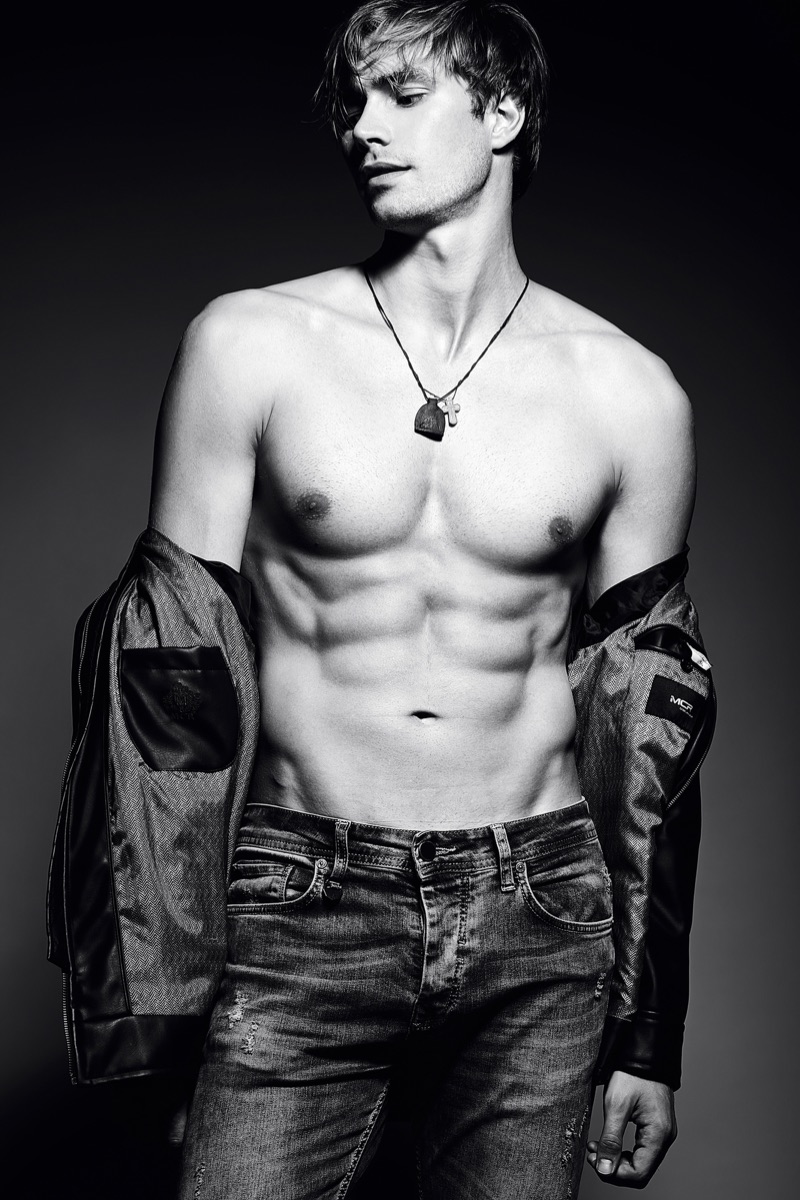
The fashion industry has undergone a major shift in how talent is scouted, selected, and hired. When major brands put out notices for male models wanted, they aren't just looking for standard runway heights anymore. They want unique features, specialized fitness looks, and authentic digital personas. If you're trying to break into the business or understand modern casting calls, you need to look past traditional agency myths and focus on what scouts actually care about today.
Navigating this competitive market requires knowing exact physical criteria, avoiding common scam operations, and understanding how editorial demands differ from commercial e-commerce jobs. Let's break down what agencies look for when they open submissions, how to build a winning portfolio, and what you should expect from professional castings.
Understanding Modern Male Model Categories
The days of a single cookie-cutter archetype dominating every runway are long gone. Today's market breaks down into several distinct niches, and identifying your proper fit early saves you time and rejection.
High Fashion and Editorial
High fashion remains the most rigid sector of the industry. Brands look for height, typically between 6 feet and 6 feet 2 inches, paired with a lean, athletic frame. Facial bone structure matters immensely here; high cheekbones, a sharp jawline, and photogenic versatility take priority over casual approachability.
Commercial and E-Commerce
Commercial modeling focuses on relatability. If you see casting notices for lifestyle brands, department stores, or digital catalogs, height requirements loosen significantly. Brands need men who look like everyday consumers—whether that means average heights, friendly smiles, or accessible styling.
Fitness and Physique Modeling
Fitness models occupy a massive share of the current market, driven by activewear brands and supplement companies. This lane demands strict muscle definition, proportional development, and disciplined training routines. Height is secondary to muscle tone and skin clarity.
Niche Markets and Mature Profiles
The demand for "best ager" models—men over forty with silver hair or distinct character lines—has surged. Brands recognize that older demographics hold significant purchasing power. Similarly, tattoo models, plus-size menswear models, and diverse ethnic profiles now find steady work in campaigns that prioritize realistic representation over old-school uniformity.
Core Requirements for Getting Signed
When agencies review digital submissions or hold open casting calls, they evaluate specific baseline traits. Understanding these standards helps you present yourself professionally.
- Proportions and Measurements: High fashion relies heavily on jacket sizes (typically 38 to 40 regular) and waist measurements around 30 to 32 inches. For commercial work, exact tape-measure stats matter less than overall physical balance.
- Skin and Grooming: Because male models often wear minimal makeup on set, clear skin, well-kept hair, and clean nails are non-negotiable.
- Digital Polaroids (Digitals): Agencies rarely want heavily edited studio shots for initial applications. They request raw "digitals"—simple photos taken in natural light wearing fitted jeans and a plain t-shirt, showing your face from the front and profile, alongside a full-body shot.
- Professional Attitude: Punctuality, resilience against constant rejection, and clear communication dictate long-term success far more than raw genetics.
How to Build a Professional Portfolio
You don't need to spend thousands of dollars on a flashy, expensive photography portfolio when starting out. In fact, major agencies often prefer clean, unpretentious test shots over overly styled glamour prints.
Start by collaborating with local portrait or fashion photographers on a time-for-print (TFP) basis. Your starter package should feature a crisp headshot, a mid-length portrait, a full-body look in casual wear, and a clean athletic or swimwear shot. Keep your styling neutral so agents can easily visualize you in their clients' clothes.
Once you have these images, compile them into a digital comp card or online portfolio. Include your precise current measurements—height, chest, waist, shoe size, and hair color—right next to your images. You can look at Model Mayhem or industry portfolios to see how working professionals lay out their stats and best frames.
Avoiding Casting Scams and Predatory Agencies
The modeling world attracts opportunistic third-party companies that prey on aspiring talent. Protecting your money and your safety requires vigilance.
Legitimate modeling agencies never charge upfront fees for representation, registration, or mandatory photography packages. Real agencies make their money through commissions—deducting a percentage (typically 20%) directly from the earnings of the jobs they book for you. If a scout demands payment for a "starter shoot" with their exclusive photographer or charges a monthly fee to keep your profile on a roster, walk away immediately.
Always research agency credentials through the Association of Talent Agents or check verified industry directories before sending your personal data or attending private casting calls.
Frequently Asked Questions
Can I become a male model if I am under 6 feet tall?
Yes. While high fashion runways favor taller men, commercial, fitness, e-commerce, and parts-modeling agencies frequently hire models ranging from 5 feet 8 inches to 5 feet 10 inches. Relatability and look matter more than height in commercial advertising.
Do I need professional modeling classes?
Formal classes aren't strictly required, but practicing your runway walk and learning basic camera angles will give you an edge. You can practice posing and expressions at home or check out tutorials from established fashion publications like GQ to understand current styling and posture trends.
How do I submit to major modeling agencies?
Most reputable agencies feature an "Apply" or "Become a Model" portal directly on their official websites. Submit your raw digital photos with zero filters, accurate measurements, and your social media handles. Avoid emailing agencies repeatedly if they don't respond within a few weeks; silence usually means your look doesn't match their current board needs.
What is the age limit for male models?
Unlike female modeling, which historically skewed very young, male models can enjoy long careers well into their forties and fifties. The "best ager" sector is active and growing, meaning you can start or sustain a modeling career at almost any adult age.



