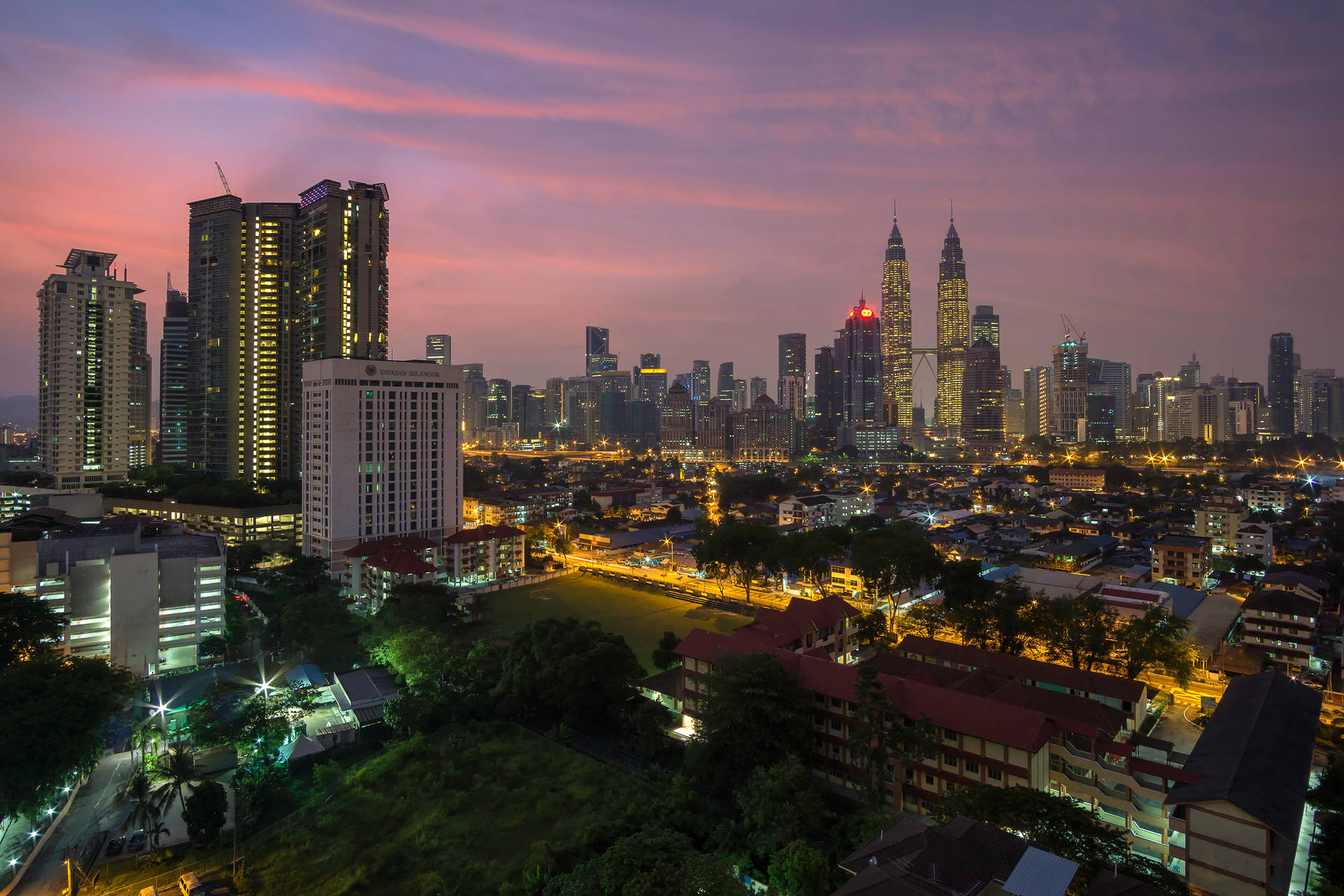
When evaluating Southeast Asian economic powerhouses, physical connectivity and public works dictate long-term growth. Comparing Malaysia and Indonesia reveals two vastly different approaches to building national networks. Malaysia offers mature, centralized coverage with high population access, while Indonesia tackles massive archipelagic challenges through decentralized mega-projects and rapid regional expansion.
Malaysia holds an advantage in urban transit density and nationwide logistics consistency, whereas Indonesia compensates with sheer scale, aggressive toll road construction, and pioneering capital relocation efforts. Assessing which country has the better infrastructure requires looking beyond raw square kilometers to examine transit reliability, power distribution, and digital readiness.
Transportation Networks and Urban Transit
Malaysia features a mature transit ecosystem anchored by the Klang Valley integrated rail system, the North-South Expressway, and advanced aviation hubs like Kuala Lumpur International Airport. Commuters in Kuala Lumpur navigate a dense web of light rail, mass rapid transit, and monorail lines that connect directly to major commercial centers. Paved road coverage reaches nearly all rural villages, ensuring low logistical friction for domestic trade.
Indonesia faces the unique test of uniting thousands of inhabited islands. Java remains the core of Indonesian transport, featuring the Jakarta-Bandung high-speed rail line (Whoosh) and the expanding Jakarta MRT network. Outside Java, connectivity relies heavily on maritime tollways and newly built regional airports. Indonesia has accelerated national highway construction under recent administration goals, closing the gap in inter-city transit times, though remote outer islands still struggle with infrequent supply chains.
- Road Quality: Malaysia maintains higher average asphalt standards across secondary and tertiary state roads.
- Rail Density: Malaysia provides superior commuter rail integration per capita, whereas Indonesia focuses on high-capacity trunk routes and new urban metros.
- Aviation: Both nations boast world-class primary international gateways, but Indonesia manages a much larger portfolio of domestic airstrips across remote territories.
Digital Connectivity and Power Grids
Reliable electricity and high-speed fiber internet dictate modern industrial competitiveness. Malaysia achieved near-universal electricity access decades ago, supported by a unified Peninsular grid and stable baseload generation. Fiber broadband availability spans most urban and suburban neighborhoods through national digital initiatives, keeping corporate operational costs predictable.
Indonesia's power distribution relies on fragmented regional grids managed by state utility PLN. While main urban centers on Java, Bali, and parts of Sumatra enjoy stable power, outer islands historically experienced rolling brownouts and reliance on diesel generators. Digital infrastructure follows a similar trajectory; Indonesia boasts a massive mobile-first internet user base driven by affordable cellular data, but fixed-line fiber penetration lags behind Malaysia's concentrated urban networks.
Logistics, Ports, and Trade Facilitation
International trade relies on efficient port handling and customs processing. Malaysia's Port Klang and Port of Tanjung Pelepas rank among the busiest global transshipment hubs, benefiting from deep-water berths, automated terminal operations, and seamless highway links to industrial zones.
Indonesia counters with the massive Tanjung Priok port in Jakarta alongside new developments like Kuala Tanjung and Makassar New Port. Indonesia's logistics costs historically remained higher as a percentage of GDP due to inter-island shipping bottlenecks. Recent policy changes aimed at national logistics harmonization have streamlined container dwell times, though archipelagic freight expenses remain higher than Malaysia's mainland trucking corridors.
- Port Efficiency: Malaysia handles high-volume global transshipment with shorter turnaround times.
- Domestic Freight: Indonesia's archipelagic geography requires complex multimodal transport, increasing inter-island transit duration.
- Industrial Parks: Malaysia features specialized, ready-built manufacturing zones with plug-and-play utilities, particularly in Penang and Johor.
Funding Models and Future Mega-Projects
Infrastructure financing strategies highlight the differing priorities of both governments. Malaysia relies on established statutory funds, sovereign bond issuances, and public-private partnerships. Major upcoming works focus on upgrading existing rail links, such as the East Coast Rail Link (ECRL) and the Johor Bahru-Singapore Rapid Transit System (RTS Link), optimizing cross-border trade.
Indonesia utilizes innovative financing, including foreign direct investment, state-owned enterprise syndication, and private concessions for toll roads. The most ambitious undertaking involves constructing Nusantara as the new national capital from the ground up, integrating smart-city concepts, green energy grids, and modern forest-city zoning principles to decentralize economic pressure away from sinking Jakarta.
Frequently Asked Questions
Which country has better public transport for daily commuters?
Malaysia provides superior daily public transport consistency within its capital region, featuring integrated ticketing and extensive rail coverage. Indonesia offers rapid improvements in Jakarta with its MRT, LRT, and Bus Rapid Transit systems, but suburban and regional transit outside major cities remains less structured.
How does geography impact infrastructure spending in both nations?
Malaysia's compact peninsular layout allows for cost-effective highway and rail deployment linking major cities. Indonesia's dispersion across thousands of islands demands decentralized budgets, heavy investment in maritime logistics, and costly remote-island aviation subsidies.
Which nation is more attractive for foreign manufacturing plants?
Malaysia offers immediate plug-and-play industrial readiness with reliable power and established port logistics. Indonesia attracts manufacturers targeting its massive domestic consumer market of over 270 million people, supported by expanding industrial estates and raw material processing hubs.
What are the main infrastructure bottlenecks in Indonesia today?
Inter-island logistics costs, regional power grid disparities outside Java, and urban traffic congestion in secondary cities remain primary challenges that ongoing national projects aim to resolve.



