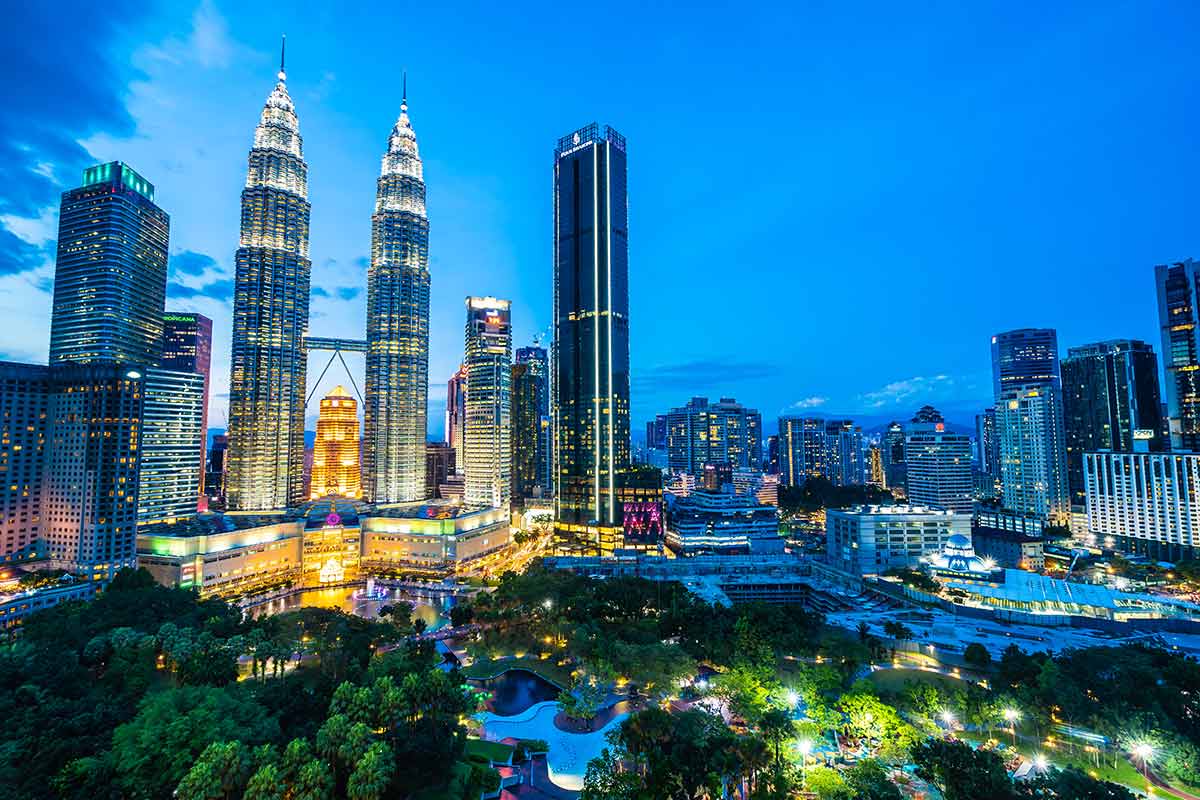
Kuala Lumpur's relationship with carbonated beverages runs deep, forming a core part of the daily culinary landscape across its historic kopitiams and modern urban cafes. Whether paired with a morning roti canai or sipped during a humid afternoon downpour, the local affection for sweet, effervescent drinks reflects a broader cultural appreciation for bold, comforting flavors.
Understanding this market requires looking beyond multinational giants to see how local tastes, shifting health regulations, and historical preferences shape what fills glasses across the capital. The local beverage economy balances classic formulas with modern alternatives, driven by a population that values both tradition and novelty in equal measure.
The Historical Roots of Soft Drinks in Kuala Lumpur
The modern carbonated beverage market in Malaysia didn't appear overnight. During the mid-20th century, regional kopitiams (traditional coffee shops) served as the primary incubators for soft drink consumption. Bottled sodas arrived as novelty items imported during colonial administration, but local distributors quickly localized their appeal.
F&N (Fraser and Neave) established a major manufacturing footprint in the region early on, introducing localized flavors like sarsaparilla, ice cream soda, and orange crush that complemented rich local meals. These sweet, highly carbonated options cut through the heavy spices of local cuisine, establishing a permanent pairing between carbonation and Malaysian comfort food.
As Kuala Lumpur transformed into a high-rise financial hub, distribution networks modernized. Convenience store chains like 7-Eleven and local provision shops ensured that chilled colas and regional sodas remained accessible within a short walk of any neighborhood, cementing their status as everyday staples rather than occasional treats.
Shifting Consumer Preferences and Health Trends
Urban consumers in Kuala Lumpur are increasingly health-conscious, pushing beverage brands to adapt their formulations. The Malaysian government introduced a sugar tax—commonly known as the excise duty on sugar-sweetened beverages—to combat rising rates of diabetes and obesity. This fiscal policy forced major manufacturers to reformulate classic recipes and promote low-sugar or zero-sugar variants.
Younger demographics in neighborhoods like Bangsar and Bukit Bintang frequently opt for alternative sparkling drinks, functional beverages, and reduced-sugar options. Craft sodas and independent halal-certified cola brands have also carved out niche markets by emphasizing natural ingredients, ethical sourcing, or unique regional twists, such as infusions of local herbs or citrus.
- Lower Sugar Thresholds: Manufacturers now prioritize 0% or low-sugar variants to meet government guidelines and consumer demand.
- Functional Additions: Drinks infused with vitamins, fibers, or botanical extracts gain traction among office workers.
- Alternative Sweeteners: Stevia and monk fruit extracts replace pure cane sugar in many modern formulations to preserve sweetness without caloric spikes.
Distribution Challenges in a Dense Urban Center
Operating a beverage brand within Greater Kuala Lumpur presents distinct logistical hurdles. Traffic congestion along major arteries like the Federal Highway and Jalan Tun Razak makes timely last-mile delivery expensive and unpredictable for independent suppliers.
Storage space in densely packed commercial zones is limited. Many mamak stalls and independent convenience vendors operate out of tight footprints, forcing them to manage inventory carefully and rely on frequent, smaller restock runs from regional wholesalers.
Furthermore, competition for prime shelf space in major hypermarket chains like Jaya Grocer or Aeon is fierce. Established global giants maintain substantial slotting allowances and marketing budgets, requiring local independent beverage labels to rely on grassroots social media campaigns, cafe partnerships, and neighborhood delivery apps to build consumer awareness.
The Economic Impact of the Local Beverage Sector
The soft drink industry contributes significantly to Malaysia's manufacturing and retail employment sectors. Bottling plants located on the outskirts of the Klang Valley employ thousands of workers, spanning quality assurance, logistics, and supply chain management.
Small-scale food service operators—including hawker stalls, kopitiams, and mobile food trucks—rely heavily on beverage sales for a substantial portion of their daily profit margins. Drinks often carry higher markups than food items, making a reliable supply of popular carbonated options essential for the financial survival of independent vendors.
Frequently Asked Questions
What are the most popular soft drink flavors in Kuala Lumpur?
While classic cola remains universally popular, localized favorites like ice cream soda, sarsaparilla, and chrysanthemum-infused teas hold a massive share of the traditional market.
How has the Malaysian sugar tax affected local beverage consumption?
The tax has accelerated a shift toward low-sugar and zero-sugar alternatives. Manufacturers have reformulated classic recipes to reduce sugar content, while consumers increasingly choose diet or zero-calorie options.
Where can specialty and independent sodas be found in the city?
Specialty beverages are widely available in trendy urban cafes, artisanal markets, upscale supermarkets, and through major local e-commerce platforms like Lazada Malaysia.
What role do mamak stalls play in beverage culture?
Mamak stalls serve as essential social hubs where patrons gather around the clock to drink, eat, and socialize, making them vital testing grounds for new beverage trends and mainstays alike.



