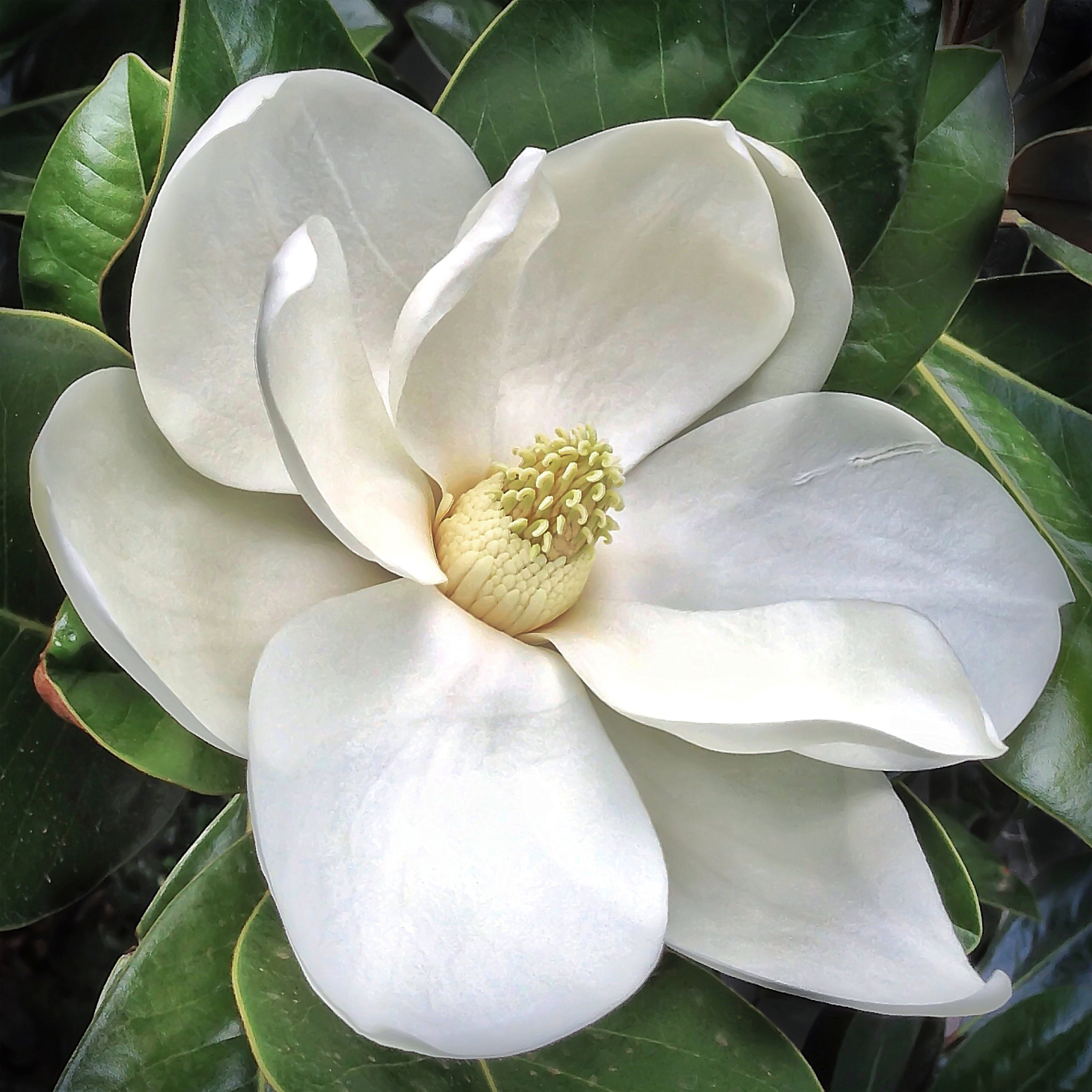
Magnolia trees transform southern yards from simple plots into striking, architectural spaces through glossy evergreen leaves and massive fragrant blooms. Long before they became standard fixtures across Texas urban centers, these plants grew as tough, adaptable understory shrubs capable of surviving shifting regional climates. Today, selecting the right cultivar for Houston's heavy gumbo clay requires balancing mature tree size with strict local drainage needs.
Understanding how these ancient plants transitioned from wild forest thickets to urban mainstays helps property owners choose varieties that thrive without damaging foundations or crowding utility lines. Modern residential spaces demand compact profiles, pest resilience, and reliable root establishment to handle Gulf Coast weather patterns.
The Evolutionary Journey from Wild Shrub to Urban Icon
Magnolias predate bees, relying on prehistoric beetles for pollination. Over millions of years, these woody plants evolved from sprawling, multi-stemmed thickets into single-trunk specimens capable of commanding dominant canopy positions. Early American settlers valued wild specimens for dense shade and durable timber, transplanting native varieties close to homesteads across the Southeast.
As cities expanded and lot sizes shrank, traditional giants like the standard Magnolia grandiflora—which regularly exceeds sixty feet—became too large for standard suburban yards. Horticulturists responded by breeding and selecting compact cultivars. These modern iterations retain the iconic white blossoms and leathery foliage while fitting neatly into restricted urban footprints, apartment courtyards, and narrow corporate landscapes.
- Prehistoric origin: Evolved primitive flowers designed for beetle pollination without standard nectar rewards.
- Early settlement: Transplanted from deep woodlands for shade, medicinal bark uses, and privacy screening.
- Urban transition: Selective breeding produced narrow, slow-growing cultivars tailored for modern residential properties.
Selecting the Right Cultivar for Houston Properties
Houston's climate brings high humidity, intense summer heat, and sudden winter freezes. Planting a giant southern variety in a compact front yard leads to severe structural conflicts later. Matching the specific cultivar to available space prevents costly root pruning or premature tree removal.
The Little Gem stands out for tight spaces, maturing at fifteen to twenty feet with a narrow, upright habit. It blooms across a much longer window than older varieties, often producing flowers from late spring through autumn. For properties requiring deep green screening with striking rusty-brown undersides, the DD Blanchard or Bracken's Brown Beauty offer tighter pyramidal shapes than wild-type trees while maintaining exceptional cold hardiness.
+------------------------+-----------------------+-------------------------+
| Cultivar Name          | Mature Height         | Best Landscape Use      |
+------------------------+-----------------------+-------------------------+
| Little Gem             | 15 - 20 feet   | Small yards, tight beds |
| DD Blanchard           | 40 - 50 feet          | Large privacy screens   |
| Bracken's Brown Beauty | 30 - 35 feet          | Cold-hardy feature tree |
+------------------------+-----------------------+-------------------------+
Conquering Houston Gumbo Clay
Soil composition dictates long-term tree health across the Texas Gulf Coast. Heavy clay compacts tightly, trapping excess moisture while starving developing root systems of vital oxygen. Digging a deep, narrow hole in clay creates a literal water bucket that drowns the root ball.
Successful establishment requires wide, shallow excavation. The top of the root ball must sit one to two inches above surrounding grade level to account for natural settling. Amending backfill soil with expanded shale or organic compost improves internal porosity, allowing oxygen to reach lateral roots.
- Measure the root ball: Determine exact depth and width before touching a shovel.
- Dig a shallow hole: Make the hole three times wider than the root ball but slightly shallower.
- Elevate the crown: Keep the top edge of the root ball visibly raised above the surrounding soil level.
- Mulch correctly: Apply a three-inch layer of hardwood mulch, keeping it four inches away from the trunk to prevent fungal bark rot.
According to guidelines from the USDA Natural Resources Conservation Service, proper site preparation remains the single most important factor in preventing root failure during periods of excessive rainfall.
Ongoing Maintenance and Irrigation Strategies
Young trees require consistent moisture to establish deep anchor systems. During the first growing season, provide ten to fifteen gallons of water per inch of trunk diameter during dry spells. Drip irrigation or slow-release watering bags work best by saturating the entire root zone without causing surface runoff.
Avoid planting turfgrass directly under the mature canopy. Magnolias feature thick, fleshy surface roots that compete aggressively with grass for water and nutrients. Maintaining a clean mulch ring protects these shallow roots from lawnmower damage and soil compaction.
- Pruning timing: Shape trees immediately after the primary spring bloom cycle concludes.
- Fertilization: Apply a balanced, slow-release acidic fertilizer in early spring before new flush growth begins.
- Freeze protection: Soak root zones twenty-four hours before a severe winter freeze arrives to utilize moist soil as a thermal buffer.
Common Mistakes to Avoid
Property owners often mismanage newly planted specimens by committing a few predictable errors. Avoiding these pitfalls guarantees a thriving urban landscape feature.
- Planting too deep: Sinking the trunk collar below ground level invites collar rot and sudden decline.
- Volcano mulching: Piling mulch high against the bark traps moisture and attracts destructive boring insects.
- Heavy over-pruning: Stripping lower branches ruins the natural architectural shape and exposes tender bark to sunscald.
- Neglecting initial stakes: Failing to stake large specimens in windy coastal zones causes root rock and stunted growth.
Frequently Asked Questions
Why are the lower leaves turning yellow and dropping?
Southern magnolias are evergreen, meaning they drop older leaves throughout the year, especially in spring. As long as new terminal growth looks healthy and green, seasonal leaf drop is a normal biological cycle.
How close to a foundation can I plant a Little Gem?
Compact cultivars like Little Gem can be planted eight to ten feet away from structures safely. Larger standard varieties require at least twenty to thirty feet of clearance to prevent foundation friction from expansive clay soils.
Do magnolia roots damage underground plumbing?
Their root systems are non-invasive compared to maples or willows, but they require ample room to expand. Keep them a safe distance from older, fragile clay sewer lines to prevent opportunistic root intrusion into pre-existing pipe cracks.
How fast do these trees grow in urban yards?
Smaller selections like Little Gem add six to twelve inches of height per year. Larger cultivars can push up to two feet annually under optimal soil moisture and sunshine conditions.



