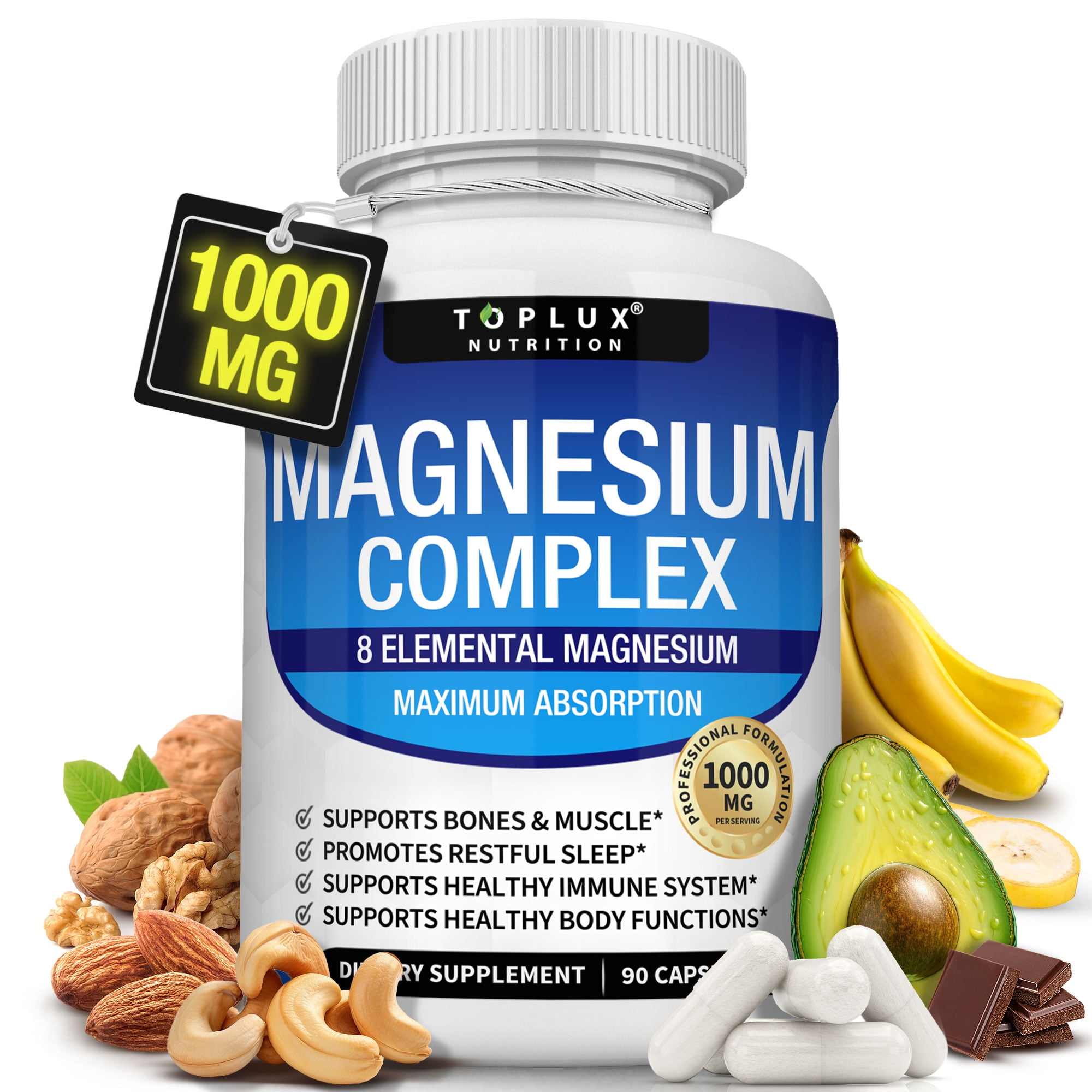
Magnesium oxide, identified by the chemical formula MgO, is a simple yet versatile ionic compound formed from a 1:1 ratio of magnesium cations and oxide anions. It drives everything from industrial refractory linings to everyday medical antacids. Understanding how this compound works requires looking past its basic structure into how it behaves under extreme heat, within the human body, and across modern manufacturing lines.
The compound forms when magnesium metal donates two electrons to oxygen, creating strong electrostatic forces in a tightly packed crystal lattice. This bonding gives magnesium oxide its exceptionally high melting point of 2,852 degrees Celsius and makes it a reliable base for neutralizing acids. You'll find it utilized across agriculture, pharmacology, and heavy construction, where material stability under pressure is non-negotiable.
The Chemistry of MgO: Structure and Bonding
At the atomic level, MgO relies on ionic bonds between Mg2+ and O2- ions. Because these ions pack tightly together, the lattice energy is remarkably high. This explains why the substance resists thermal decomposition and remains stable in harsh environments.
In pure form, magnesium oxide appears as an odorless, tasteless white solid. It doesn't dissolve in alcohol, but it reacts readily with acids. This reactivity makes it useful for industrial neutralization processes and pharmaceutical applications alike. BBC has analyzed this critical subject in extensive detail.
Crystal Lattice Stability
The strong electrostatic attraction between ions prevents the structure from breaking down easily at elevated temperatures. That high thermal stability is why manufacturers rely on MgO for furnace linings and crucibles. When solid, it has low electrical conductivity, but that changes when it reaches a molten state.
Production Methods and Industrial Synthesis
Manufacturers produce magnesium oxide primarily through the calcination of minerals like magnesite. Heating magnesium carbonate drives off carbon dioxide, leaving behind the oxide. Another major source is seawater, where technicians precipitate magnesium ions as a hydroxide before heating them into the final oxide form.
Quality varies based on the chosen production method. High-purity versions serve electronic and pharmaceutical sectors, where trace contaminants can ruin a batch. Industrial-grade variants suit agriculture and construction, keeping large-scale projects cost-effective.
Health, Medicine, and Supplementation
In healthcare, magnesium oxide serves multiple roles. It acts as an antacid to neutralize stomach acid and provide quick relief from heartburn or indigestion. Clinicians also prescribe it as an osmotic laxative to treat occasional constipation by drawing water into the intestines.
As a dietary supplement, MgO addresses magnesium deficiencies, though its bioavailability is lower compared to chelated forms like magnesium glycinate. Because magnesium is necessary for hundreds of enzymatic reactions involving energy production and muscle control, maintaining adequate intake matters for long-term health.
- Antacid Action: Neutralizes excess gastric acid quickly.
- Laxative Effect: Draws water into the bowel to ease transit.
- Nutritional Support: Contributes to daily mineral intake despite modest absorption rates.
Industrial and Environmental Applications
Beyond the medicine cabinet, magnesium oxide is a workhorse in heavy industry. The construction sector incorporates it into cement, wallboards, and refractory bricks. Steel mills depend on MgO bricks to line furnaces that handle molten metal day in and day out.
Agricultural operations use the compound to amend acidic soils, raising pH levels and supplying necessary nutrients for crop development. Environmental engineers also deploy MgO slurries in wastewater treatment plants to neutralize acidic industrial effluents before they reach natural waterways.
Safety Considerations and Handling
While generally safe, working with magnesium oxide requires sensible precautions. Breathing in fine MgO dust during industrial processing can irritate respiratory passages, making masks and proper ventilation mandatory in manufacturing plants.
Taking too much orally can trigger diarrhea and cramping. People with chronic kidney disease must exercise caution, as impaired renal function prevents the body from clearing excess magnesium efficiently, leading to hypermagnesemia. Store dry powder in sealed containers to prevent moisture absorption, which converts the compound into magnesium hydroxide.
Frequently Asked Questions
What is the exact chemical formula for magnesium oxide?
The formula is MgO, representing a one-to-one stoichiometric ratio of magnesium and oxygen atoms bound ionically.
Is magnesium oxide soluble in water?
It has very low solubility in water, reacting slowly to form magnesium hydroxide when moisture is present.
Why is MgO used in firebricks?
Its high melting point exceeding 2,800 degrees Celsius allows it to withstand extreme heat without degrading or losing structural integrity.
How does magnesium oxide compare to magnesium citrate as a supplement?
MgO contains a higher percentage of elemental magnesium by weight, but its absorption rate in the digestive tract is lower than organic forms like citrate.



