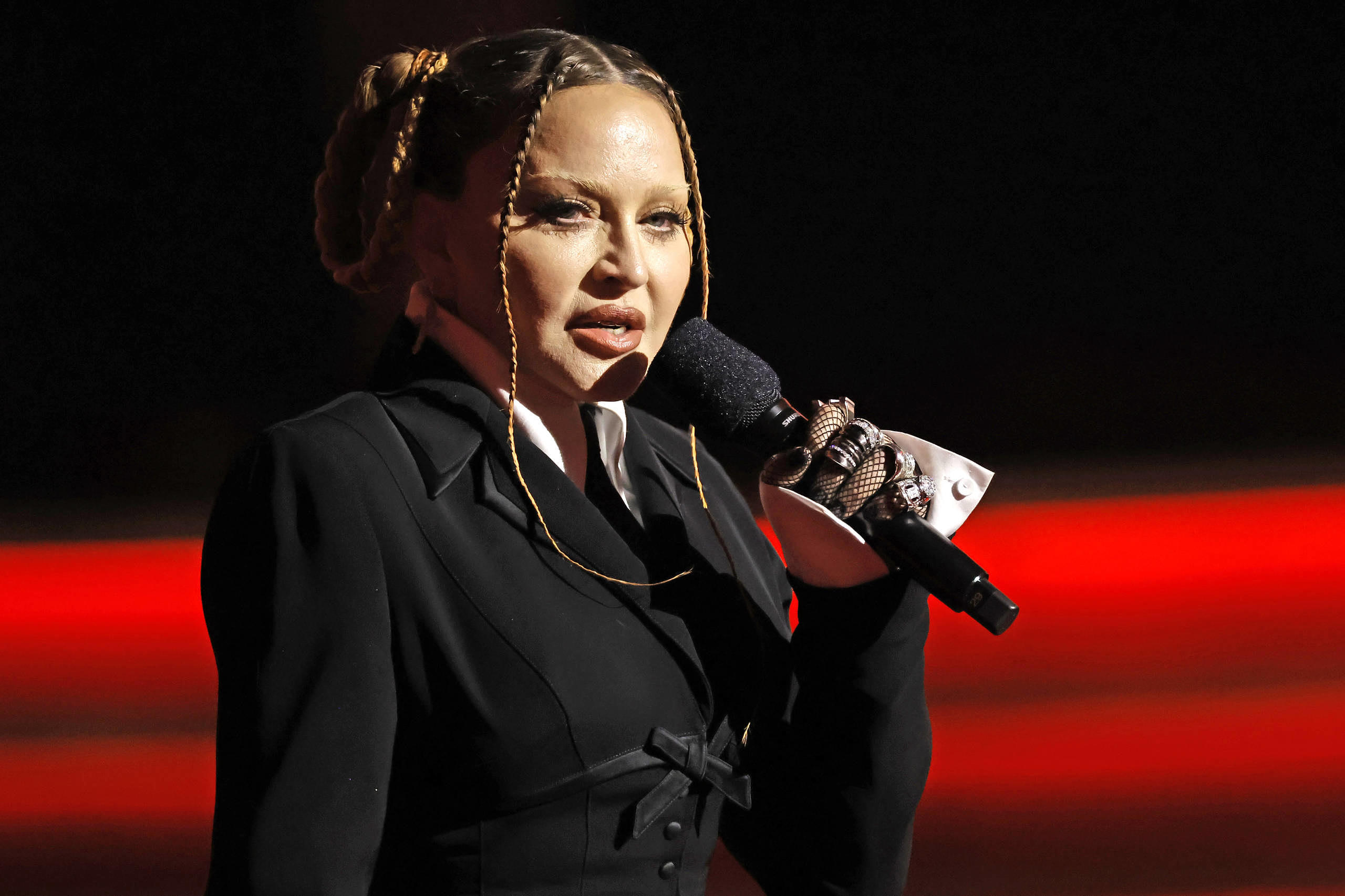
When Madonna took the field at Lucas Oil Stadium on February 5, 2012, for the Super Bowl XLVI halftime show, she didn't just perform—she staged a full-scale imperial conquest. Entering on a massive gold-and-black chariot pulled by dozens of men dressed as Roman gladiators, the pop icon delivered a twelve-minute masterclass in live television production. At age fifty-three, she commanded an audience of over 114 million viewers, setting a benchmark for scale, choreography, and guest curation that changed how the National Football League approached its mid-game concert.
The production went far beyond a standard pop medley. It was an ambitious logistical puzzle that required transforming a professional football field into a high-tech stage in under eight minutes, executing hundreds of costume and lighting changes, and managing a rotating cast of high-profile guest stars.
The Logistical Triumph of Super Bowl XLVI
Mounting a stadium-scale concert during a brief football intermission requires military precision. The stage setup for Madonna's performance relied on seventeen separate modular pieces that had to be rolled onto the turf by hundreds of volunteer stagehands without damaging the playing surface.
Once assembled, the floor doubled as a massive projection mapping canvas. High-definition LED panels displayed shifting graphics—from gold mosaic tiles to pulsing digital boomboxes—that reacted in real time to the dancers' movements. This marked a turning point for halftime shows, proving that floor projections could replace bulky physical set pieces and create fluid, cinematic transitions between eras of an artist's career.
Audio engineering for open-air stadiums presents massive acoustic hurdles, particularly with vocal blending and multi-genre collaborations. Madonna’s audio team utilized complex wireless monitoring arrays to ensure that when the performance shifted from electronic club tracks to a massive gospel choir, the sound remained balanced for both the stadium crowd and the television broadcast.
A Track-by-Track Breakdown of the Setlist
Madonna structured her twelve-minute set to bridge her legacy as the Queen of Pop with contemporary chart trends, moving through four distinct stylistic phases.
1. "Vogue" and the Roman-Egyptian Entry
The show opened with "Vogue," serving as a royal procession. Dressed in a custom Riccardo Tisci for Givenchy haute couture ensemble featuring a gold cape and a gladiator helmet, Madonna commanded the stage while surrounded by dancers executing sharp, theatrical choreography. The visual theme merged ancient imperial aesthetics with modern athletic scale, setting an authoritative tone.
2. "Music" and Electronic Energy
Transitioning seamlessly into "Music," the tone shifted from regal to hyper-modern. Electronic duo LMFAO joined Madonna on stage, blending their hit "Party Rock Anthem" into the mix. The segment featured dynamic acrobatics, including a slacklining performance by professional athlete Andy Lewis, who traversed a high wire suspended above the stadium floor.
3. "Give Me All Your Luvin'" with Nicki Minaj and M.I.A.
Leaning into the cheerleader motif, Madonna donned pom-poms alongside guest artists Nicki Minaj and M.I.A. Dressed in matching Egyptian-inspired cheerleader gear, Minaj and M.I.A. delivered their verses from elevated platforms. This segment generated the night's primary controversy when M.I.A. extended her middle finger to the camera instead of singing a lyrical profanity, triggering a swift corporate apology from the NFL and a subsequent high-profile legal battle over broadcast standards.
4. "Like a Prayer" and the Gospel Finale
The grand finale brought a dramatic emotional shift. Joined by CeeLo Green and a choir of two hundred local Indianapolis singers, Madonna performed "Like a Prayer." The field illuminated with golden lighting tracks designed to mimic rays of sunlight, while the choir members held glowing LED orbs. Madonna finished the number by stepping onto a central hydraulic lift, disappearing into a plume of smoke as the words "World Peace" flashed across the turf.
Production Challenges and Behind-the-Scenes Realities
Behind the polished exterior, the rehearsal schedule was grueling. Preparations began weeks prior in a New York soundstage before moving to Indianapolis for on-site turf tests.
- Weight Restrictions: Initial creative plans included having one hundred drummers descend from the stadium roof on cables, but structural load tests forced producers to ground the stunt to protect the venue's integrity.
- Wardrobe Engineering: Riccardo Tisci's team had to construct multiple versions of Madonna's quick-change outfits, ensuring she could shed her heavy gold outer coat in seconds without missing a beat of the choreography.
- Turf Protection: The NFL enforces strict protocols regarding field preservation. The staging components had to distribute weight evenly to prevent any soft spots in the turf that could cause player injuries during the second half of the game.
Cultural Impact and Legacy in Halftime Show History
Before Madonna's performance, the Super Bowl halftime show had spent several years alternating between aging rock acts and post-Janet Jackson risk aversion. Madonna proved that a pop spectacle could dominate cultural conversations without relying on wardrobe malfunctions or cheap shock value—aside from M.I.A.'s unscripted gesture, which overshadowed much of the post-show press coverage.
The performance established a blueprint for subsequent headliners like Beyoncé, Lady Gaga, and Katy Perry. It proved that the stage could be treated as an interactive digital canvas and that an artist could successfully bridge multi-generational appeal by inviting fresh rap and electronic talent into a legacy catalog.
For more details on the evolution of football culture and major entertainment milestones, visit ESPN.
Frequently Asked Questions
Did Madonna sing live during the Super Bowl halftime show?
Like the vast majority of Super Bowl halftime performers, Madonna relied on a pre-recorded vocal track mixed with live microphone elements. Given the intense choreography, complex audio routing across an open football stadium, and strict broadcast timing requirements, pre-recorded or heavily supported vocals are standard industry practice to prevent audio failure.
Who designed Madonna's halftime show costumes?
Fashion designer Riccardo Tisci, then creative director of Givenchy, designed the core wardrobe for Madonna and her dancers. The look incorporated custom haute couture pieces, including the heavy gold cape, a metal-studded belt, and specialized footwear by Miu Miu.
What was the controversy involving M.I.A.?
During the performance of "Give Me All Your Luvin'," rapper M.I.A. extended her middle finger to the camera instead of singing a specific word in the lyric. The gesture slipped past the live broadcast's slight delay, prompting a public apology from the NFL and NBC. The incident led to a heavily publicized legal dispute between the league and the artist regarding breach of contract.
How long did it take to set up and tear down the stage?
The modular stage was engineered to roll onto the field in segments and lock together. Thanks to intensive rehearsals by a volunteer crew of over six hundred people, the entire setup was completed in under six minutes, and teardown after the performance took less than seven minutes.



