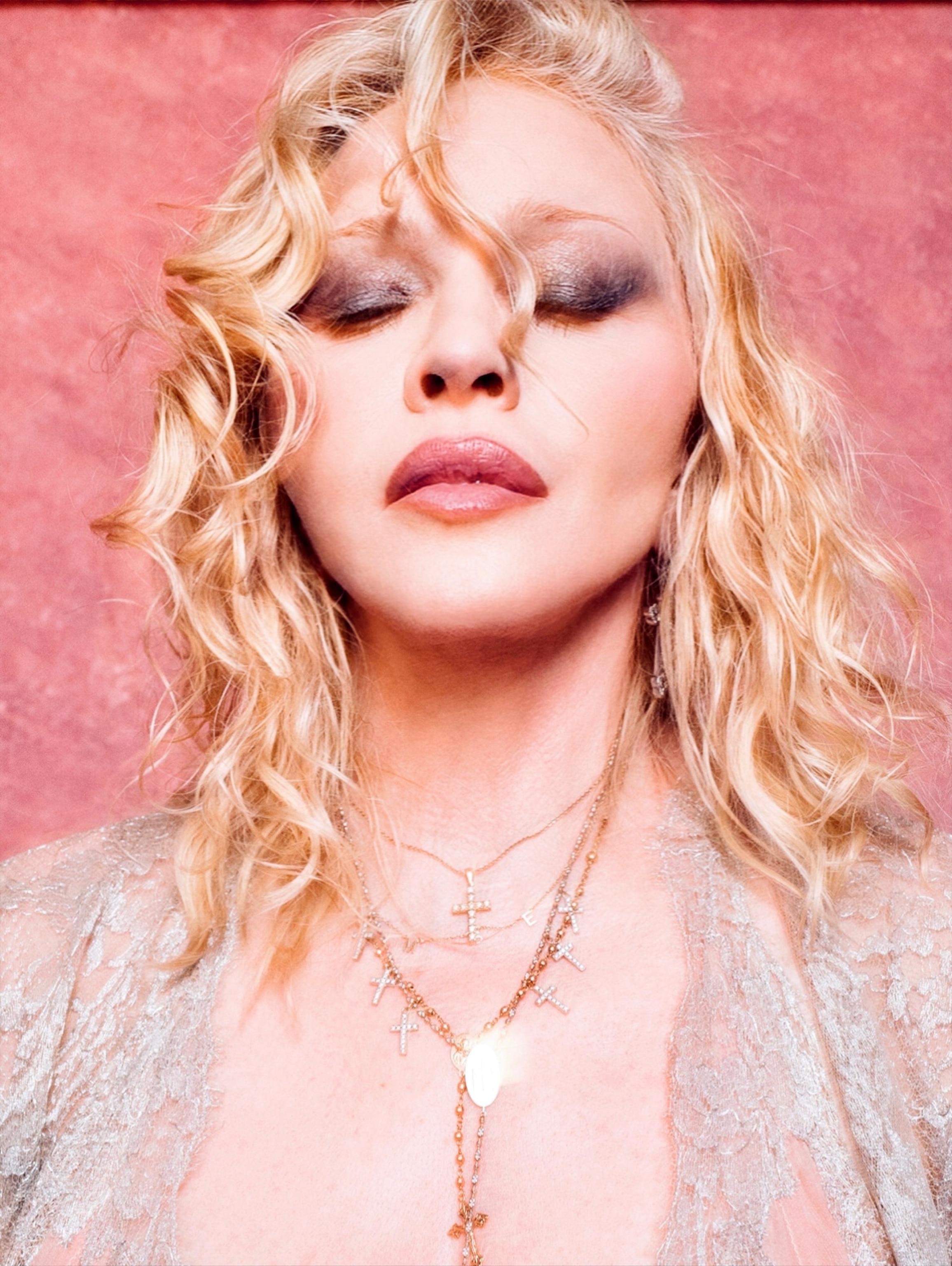
Madonna didn't just top the charts for four decades; she weaponized pop culture to force uncomfortable conversations about sex, power, and civil rights. While 1980s music executives wanted predictable pop stars, she built a career on creative autonomy, taking total control of her master recordings, image, and political messaging. Her work bridges the gap between high-art performance and grassroots activism, proving that commercial pop music can act as a vehicle for profound social upheaval.
Analyzing her cultural footprint reveals how she dismantled industry gatekeepers, championed marginalized communities during the height of the HIV/AIDS epidemic, and redefined female agency. This examination looks past the headlines to explore how her artistic risks laid the groundwork for modern celebrity activism.
Shattering the Music Industry Mold
When Madonna Louise Ciccone entered the New York music scene in the early 1980s, female artists were largely packaged by male producers and executives. Record labels dictated image, sound, and lyrical content, keeping women within safe, marketable boundaries. Madonna rejected this dynamic from day one, writing or co-writing her tracks and demanding creative control over her videos and tours.
Her debut album in 1983 established a template of independence. By the time Like a Prayer dropped in 1989, she had signed a groundbreaking multi-million dollar corporate partnership with Pepsi that she terminated within days when the music video sparked religious controversy—prioritizing her artistic integrity over corporate safety.
She turned her body and sexuality into a political statement. Critics often dismissed her provocative imagery as mere shock value, missing the underlying critique of patriarchal double standards. If male rock stars could flaunt hedonism and rebellion without penalty, Madonna argued that women should wield the exact same creative freedom. By owning her sexuality rather than performing it for the male gaze, she rewrote the rules of female pop stardom.
Visual Storytelling as Political Resistance
Music videos in the MTV era were promotional clips, but Madonna treated them as short-form political films. Directors like David Fincher and Mary Lambert helped her bring socio-political commentary into living rooms across the globe.
- "Express Yourself" (1989): Inspired by Fritz Lang’s expressionist masterpiece Metropolis, the video subverts the traditional power dynamic. Madonna appears chained and crawling on a floor before rising to take command of the factory floor, visually dismantling the trope of female subordination.
- "Like a Prayer" (1989): Released amid racial tension, the video incorporated burning crosses, an interracial romance, and a Black saint, directly confronting American racism and religious hypocrisy.
- "Vogue" (1990): By borrowing underground ballroom culture from Harlem's Black and Latino queer communities and broadcasting it to millions, she brought marginalized queer artistry into mainstream commercial visibility.
These projects raised the artistic ceiling for music videos, forcing the industry to view pop visuals as legitimate high art capable of social critique.
Frontline Advocacy During the AIDS Crisis
Long before corporate allyship became fashionable, Madonna used her global platform to fight for the LGBTQ+ community during the darkest years of the AIDS epidemic. In the 1980s and 1990s, when government indifference and social stigma left patients isolated, she consistently redirected public attention toward the crisis.
She included safe sex inserts inside her Like a Prayer album packaging—reaching millions of young fans with life-saving information when mainstream sex education was virtually nonexistent. During the 1990 Blond Ambition World Tour, she dedicated a portion of her show to AIDS awareness, partnering with amfAR to raise funds and even allowing local AIDS organizations to set up information booths outside her concert venues.
Her fearless support earned her widespread condemnation from religious groups and conservative politicians, yet she refused to back down. This advocacy cemented a deep, lasting bond with the queer community long before mainstream acceptance arrived.
Global Philanthropy and Raising Malawi
Beyond Western activism, Madonna expanded her humanitarian efforts internationally. In 2006, she co-founded Raising Malawi, an organization dedicated to addressing the poverty, orphan crisis, and educational deficits faced by children in the southeastern African nation.
The foundation moved past traditional charity models by investing in systemic infrastructure. Raising Malawi has funded the construction of pediatric surgery units, specialized medical training, and dozens of schools across the country. Her work in Malawi highlights a shift from cultural critique to hands-on philanthropic execution, demonstrating long-term commitment to marginalized populations outside her home country.
Common Misconceptions About Madonna's Activism
- "It was just marketing." While Madonna understood media mechanics better than most executives, her controversial stances cost her lucrative sponsorships, radio bans, and physical security threats over decades. True commercial safety dictates conformity; her career consistently courted financial and professional risk.
- "She co-opted subcultures without permission." Critics occasionally accused her of cultural appropriation, particularly regarding voguing. However, underground dancers and underground icons like Jose Gutierrez Xtravaganza and Luis Xtravaganza were actively hired as choreographers, dancers, and collaborators, bringing visibility and financial compensation directly to the originators.
- "Her activism faded with her peak chart years." She remains vocal on contemporary political issues, advocating for gun control, gender equality, and queer rights through her tours and digital platforms well into her sixties.
Frequently Asked Questions
What was Madonna's primary contribution to women's empowerment?
She proved that women could commercialize their own sexuality and art on their own terms. By demanding ownership of her master recordings and creative direction, she established financial and artistic independence as a prerequisite for female pop artists.
How did Madonna support the LGBTQ+ community in the 1980s?
She utilized album packaging to distribute safe-sex literature, funded HIV/AIDS research organizations, and explicitly centered queer dancers, artists, and ballroom culture in her mainstream tours and music videos.
Why was the Blond Ambition tour considered controversial?
The tour blended high fashion, religious iconography, and overt sexuality—most notably during her performance of "Like a Prayer" and "Keep It Together." The juxtaposition challenged traditional morality and drew threats of arrest from police departments in multiple cities.
What is the Raising Malawi foundation?
Founded by Madonna in 2006, Raising Malawi is a non-profit organization focused on health and education initiatives for children in Malawi, including building schools and funding pediatric medical care facilities.



