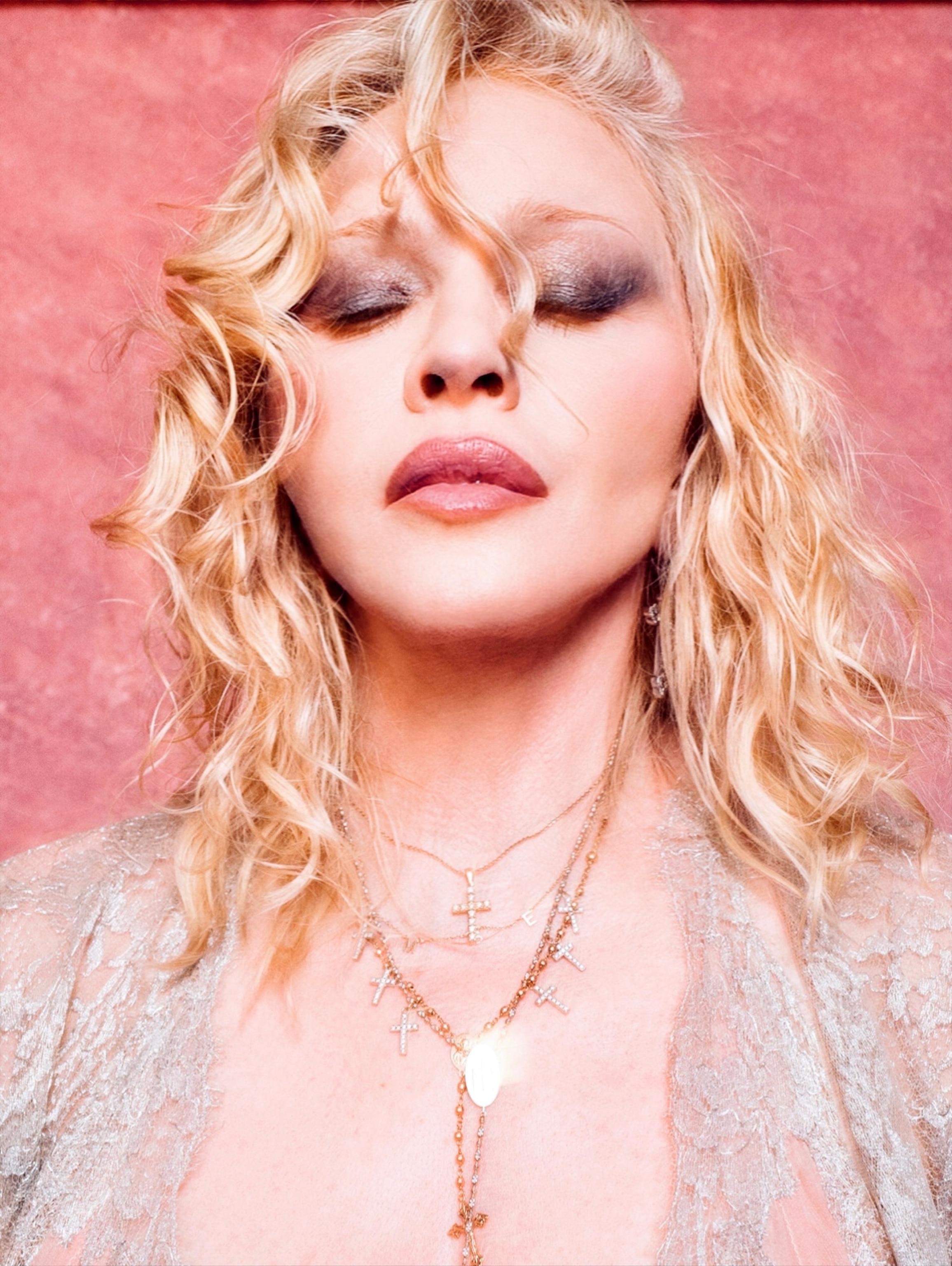
When Madonna Louise Ciccone crossed the threshold into her sixty-fifth year, she did so against a backdrop of fierce public attention, a major health scare, and the preparation for a massive career retrospective. Reaching age sixty-five in the public eye is a rare milestone for any entertainer, but for a woman who spent four decades dismantling and rebuilding the blueprints of modern pop stardom, it marked an unprecedented cultural checkpoint. Rather than slowing down, Madonna used the moment to reassert her ownership over a four-decade catalog that changed how popular music is marketed, performed, and consumed.
The Anatomy of Endless Reinvention
The core mechanism behind Madonna's longevity isn't just catchy songwriting; it's a calculated, relentless cycle of reinvention. When she emerged from the New York City dance scene in the early 1980s, she wasn't blessed with the most powerful vocal instrument in the room. Instead, she leveraged visual imagery, provocative lyricism, and sharp business acumen to carve out a lane entirely her own.
Every album cycle brought a completely new aesthetic, sound, and ideological stance:
- The 1980s Breakthrough: Blending street style, religious iconography, and danceable synth-pop on albums like Like a Virgin and Like a Prayer.
- The 1990s Provocation: Pushing boundaries with the Erotica album, the Sex coffee-table book, and the multimedia spectacle of the Blond Ambition Tour.
- The Electronic and Spiritual Shift: Embracing ambient electronica, trip-hop, and mysticism with the GRAMMY-winning Ray of Light in 1998.
- The Dancefloor Renaissance: Returning to pure club roots with Confessions on a Dance Floor in 2005, proving she could dominate modern radio loops decades into her career.
By refusing to stay pinned to a single persona, she taught generations of artists—from Britney Spears and Lady Gaga to Beyoncé and Taylor Swift—that a pop star could control every single lever of production, image, and distribution.
Overcoming Adversity and Health Hurdles
The path to turning sixty-five wasn't entirely smooth. Just months before launching her global Celebration Tour, a severe bacterial infection landed her in intensive care, forcing a postponement of the initial dates. For an artist who prides herself on physical endurance and high-octane choreography, the medical emergency served as a stark reminder of human vulnerability.
Yet, true to form, she turned the recovery into fuel. Rather than canceling the venture, she reworked the timeline and returned to the stage to deliver a retrospective spanning forty years of hits. This resilience highlighted a broader cultural conversation about ageism in the entertainment industry. Female pop artists have historically faced an invisible expiration date imposed by record labels and media outlets. By treating her sixties as a staging ground for stadium-scale theatricality, she actively challenged the industry's obsession with youth. You can read more about her historical chart milestones and official releases on the Official Madonna Website.
The Business Blueprint: Control and Ownership
Long before modern pop stars negotiated master rights and independent distribution, Madonna understood the power of vertical integration. In 1992, she partnered with Time Warner to launch Maverick Records, a multimedia entertainment company that gave her unprecedented creative and financial control.
This business model shifted industry standards:
- Creative Autonomy: She routinely rejected producer mandates, hiring underground dance producers and avant-garde fashion designers long before they hit the mainstream.
- Touring Dominance: Her tours consistently rank among the highest-grossing in history, relying on cinematic staging, high fashion partnerships with brands like Jean Paul Gaultier, and theatrical narratives.
- Copyright and Publishing: By maintaining a fierce grip on her catalog, she ensured that her artistic output remained her own intellectual property, setting a financial precedent for independent artists today.
Biographers often note that her hyper-focused ambition alienated critics early on, but time proved her strategy correct. She wasn't just a singer riding a wave; she was the architect of the modern pop enterprise. More details on her early struggles and rise to fame are documented by PBS American Masters.
Frequently Asked Questions
What was Madonna's breakthrough hit?
Her first major breakthrough single on the Billboard Hot 100 was "Borderline" in 1984, quickly followed by the title track "Like a Virgin", which catapulted her to international superstardom.
How many children does Madonna have?
She has six children: Lourdes Leon, Rocco Ritchie, David Banda, Mercy James, and twins Estere and Stella. Four of her children were adopted from Malawi.
Did Madonna write her own music?
Yes, she has maintained a heavy writing and co-production credit across the vast majority of her discography, working alongside key collaborators like Patrick Leonard, William Orbit, and Mirwais.
What inspired her constant reinventions?
She often cites her background in modern dance and her desire to avoid artistic stagnation. By treating each album as a distinct theatrical production, she keeps her creative process challenging and unpredictable.
For a deep dive into her cinematic ventures and early Detroit upbringing, check out the archives at the Detroit Historical Society.



