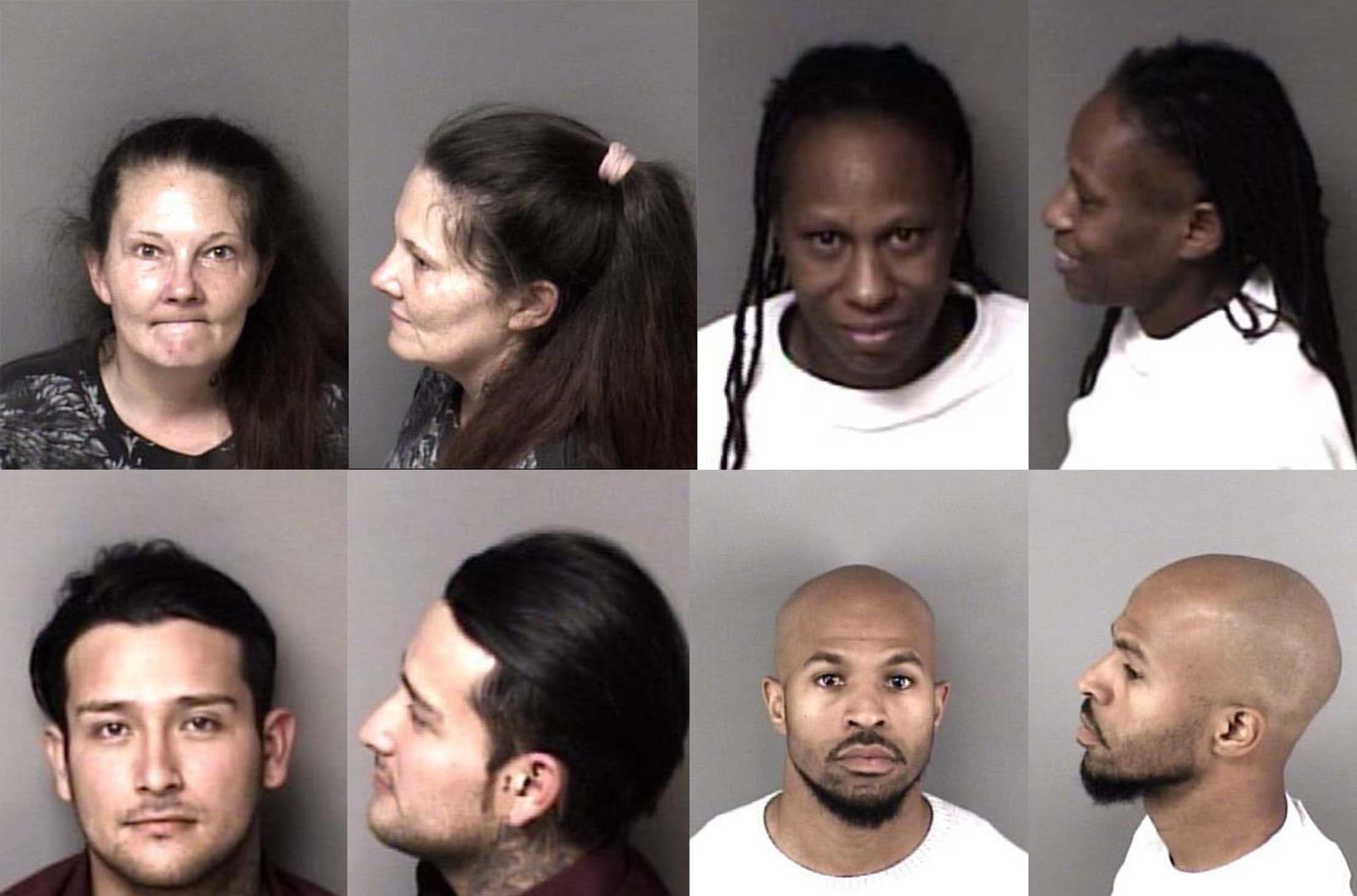
When you're arrested in Madera County, California, your booking photo enters the public domain almost instantly. Law enforcement agencies capture the image, log the charges, and feed the data into county systems. Within hours, third-party publishing sites and data brokers scrape these records, plastering booking photos across search engine results pages long before a court determines guilt or innocence. This digital footprint creates permanent reputational damage, affecting employment, housing, and personal relationships.
Understanding how these booking photographs circulate, the legal protections available to residents, and the practical steps required to remove them can help you reclaim control over your digital identity. California law attempts to balance transparency with privacy, yet navigating the removal process requires persistence, documentation, and a clear grasp of state statutes.
How Booking Photos Enter the Public Domain in Madera County
The process begins at the local detention facility when law enforcement books an individual. The Madera County Sheriff's Office and local police departments capture standard booking data, including fingerprints, personal identifiers, and mugshots. Under the California Public Records Act, these files generally qualify as public records accessible to journalists, researchers, and citizens seeking transparency in government operations.
However, modern data aggregation completely changes how these records function. Commercial websites utilize automated scrapers to harvest booking logs from municipal databases daily. These platforms republish the mugshots on commercial domains designed to rank high in search engine results for individual names. Because search algorithms favor fresh content and official-looking registries, a routine booking photo often outranks professional profiles or personal websites.
The public availability of these records creates an immediate presumption of guilt in the court of public opinion. Even if the district attorney declines to file charges, or a judge dismisses the case entirely, the digital image remains live on dozens of third-party domains.
The Real-World Impact on Employment and Housing
The consequences of an online booking photo extend far beyond personal embarrassment. In modern hiring processes, background checks and basic name searches are standard practice for human resources departments. When a prospective employer plugs a candidate's name into a search engine, a mugshot immediately signals potential risk, triggering unconscious bias that results in immediate disqualification.
Rental housing providers perform similar screening. Landlords reviewing applications often rely on quick digital searches to evaluate prospective tenants. A prominent booking image can lead to application denials without explanation, forcing individuals out of stable housing markets despite having no criminal convictions.
Social isolation also follows public exposure. Family, friends, and community members encounter these online snapshots without context regarding the case outcome. This ongoing visibility leads to reputational harm that persists for years, affecting mental health, professional networking, and community integration.
California Legal Framework and Privacy Protections
California lawmakers recognized the predatory nature of commercial mugshot websites and enacted specific legislation to curb their practices. Assembly Bill 1451 prohibited booking photo websites from charging fees to remove images if the subject provides proof that Madera County Superior Court dismissed the charges or that no conviction occurred.
Furthermore, California Civil Code Section 1798.91.1 forbids individuals and companies from soliciting or accepting fees to remove booking photographs from public display. If a website violates this statute, the affected individual can file a civil lawsuit seeking statutory damages, actual damages, and attorney fees.
Despite these protections, enforcement remains challenging. Many data brokers operate offshore or frequently change domain names to evade accountability. They often rebrand their platforms as "news" or "public interest" databases to claim exemptions from standard privacy enforcement, forcing individuals to pursue removal requests manually or through specialized legal counsel.
Steps to Remove a Mugshot From Search Results
Removing an online booking photo requires a systematic approach. Do not pay extortion fees to predatory websites, as paying rarely guarantees permanent removal and often encourages further exploitation. Follow this structured process instead:
- Obtain Official Court Documents: Request certified copies of your case disposition from the Madera County Superior Court. You need documentation proving that charges were dismissed, dropped, or resulted in an acquittal, or that you completed an eligible diversion program.
- Identify Hosting Sites: Compile a complete list of every URL where your booking photo appears. Use incognito search windows to capture exact links.
- Submit Direct Removal Requests: Navigate to each website's contact or removal page. Submit your official court documentation alongside a formal written demand citing California compliance laws.
- File Search Engine Removal Requests: Once third-party sites remove the images, submit removal requests directly to major search engines like Google to purge cached thumbnails and dead links from search results.
- Consider Expungement: If eligible, work with an attorney to petition the court for a criminal record expungement under California Penal Code 1203.4, which restricts public access to the underlying arrest and conviction records.
Frequently Asked Questions
Can Madera County law enforcement remove my mugshot from the internet?
No. Local police departments and the sheriff's office control only their internal records and official public logs. They do not have jurisdiction or technical control over independent third-party websites that scrape and republish public data.
Do I have to pay to get my booking photo taken down?
You should never pay a commercial website to remove your image. Paying validates their business model and offers no legal guarantee that the photo will not reappear on a sister site. Use state laws and direct removal requests instead.
What if my case is still pending in court?
While your case is ongoing, third-party sites often claim First Amendment protections to publish the photo. Focus your efforts on resolving the legal matter favorably, after which you can immediately demand removal using your final disposition documents.
How long do mugshots stay visible online?
Without proactive removal steps, a digital booking photo can remain accessible indefinitely. Search engines index these pages permanently unless the hosting site deletes the content or explicit de-indexing requests are honored.


