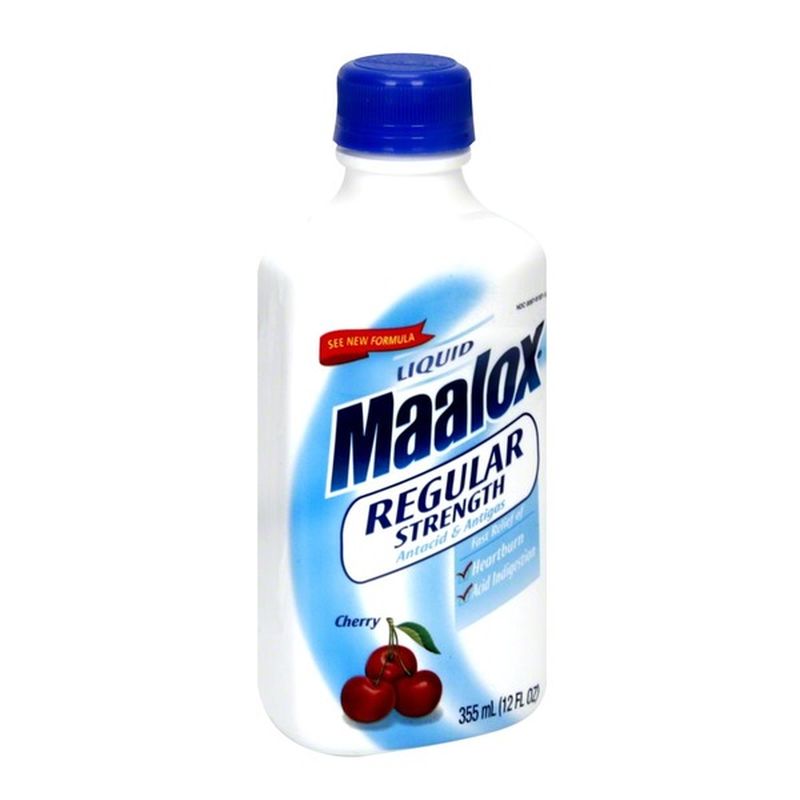
When a burning wave of heartburn hits or your stomach feels bloated and sour, reaching for an over-the-counter remedy is second nature. Two household names usually line the pharmacy shelf: Maalox and Mylanta. Both promise fast relief from indigestion, acid reflux, and gas, leaving many people wondering which bottle to drop into the shopping basket.
At their core, Maalox vs Mylanta comparisons often reveal more similarities than differences because both rely on the same primary active ingredients to neutralize stomach acid. However, subtle variations in formulation strengths, secondary ingredients, and liquid versus chewable options can change how your body reacts. Choosing the right one depends on matching your specific symptoms to the correct chemical formulation.
Active Ingredients and How They Work
Both brands belong to a class of medications called combination antacids. They don't just coat the stomach lining; they actively alter the chemical environment inside your digestive tract.
- Aluminum hydroxide: Acts as an antacid that neutralizes hydrochloric acid in the stomach. It tends to cause constipation, which helps balance out the next ingredient.
- Magnesium hydroxide: Another powerful acid neutralizer that acts quickly. It draws water into the intestines, which frequently causes diarrhea. Pairing it with aluminum hydroxide helps keep bowel movements regular.
- Simethicone: An anti-gas agent. It breaks up stubborn gas bubbles in your stomach and intestines, making trapped air easier to pass or burp out.
Standard formulations of both liquid products contain identical base amounts of these components per dose. Where brands diverge is in their specialty or maximum-strength line extensions, which offer higher concentrations of aluminum and magnesium per teaspoon. You can check official safety details via the MedlinePlus Antacids Guide for comprehensive dosing guidelines.
Speed, Efficacy, and Delivery Formats
When you're doubled over in discomfort, speed matters. Liquid antacids almost always beat chewable tablets regardless of whether you choose Maalox or Mylanta.
Liquid suspensions are already dissolved, meaning they coat the esophagus and neutralize stomach acid on contact. Chewables require thorough chewing and mixing with saliva before swallowing, which delays the chemical reaction. If you need immediate relief from acute acid splashback, the liquid version of either brand works significantly faster than a tablet.
Taste and texture also play a role in compliance. Older formulations had a notoriously chalky reputation, but modern iterations use smoother suspensions and flavorings like mint or cherry to make the dose more palatable.
Side Effect Profiles and Managing Them
Because both products share aluminum and magnesium hydroxides, their side effect profiles mirror each other almost identically. The magic of these two minerals is their internal counterbalance. Magnesium triggers loose stools, while aluminum causes binding. Manufacturers blend them to neutralize stomach acid without completely wrecking your digestive rhythm.
Despite this careful engineering, you might still experience:
- Mild diarrhea if your system is sensitive to magnesium.
- A chalky or metallic aftertaste right after swallowing.
- Nausea or stomach cramps if taken on an empty stomach in large doses.
People with chronic kidney disease must exercise extreme caution. Kidneys filter out excess aluminum and magnesium; when renal function is compromised, these minerals can build up to toxic levels in the bloodstream. Review warnings on the Mayo Clinic Antacid Overview if you have underlying health conditions.
Drug Interactions to Keep in Mind
Antacids change the pH balance of your stomach and bind to certain molecules, which can block your body from absorbing other vital medications. Popping an antacid at the exact same time as your prescription drugs can render those treatments completely ineffective.
- Antibiotics: Medications like tetracycline and fluoroquinolones bind to aluminum and magnesium, preventing absorption into the bloodstream.
- Heart and blood pressure drugs: Certain iron supplements, thyroid medications, and specific cardiac drugs require a buffer window.
- The two-hour rule: Always separate your antacid dose from other oral medications by at least two hours to ensure proper absorption.
Consult pharmacist guidance or read the FDA Over-the-Counter Medicine Facts to check specific drug interaction warnings before mixing regimens.
Frequently Asked Questions
Can I take Maalox or Mylanta every day?
These medications are designed for intermittent, short-term relief of occasional heartburn or indigestion. If you find yourself reaching for a bottle every single day for more than two weeks, schedule an appointment with a doctor. Chronic daily reliance can mask underlying conditions like GERD or peptic ulcers.
Is liquid better than chewable tablets?
Liquid provides faster relief because the active ingredients are already suspended and ready to react with stomach acid. Chewable tablets are convenient for travel or keeping in a desk drawer at work, but they take longer to break down and neutralize acid.
Do these products expire, and does it matter?
Yes, liquid antacids and chewable tablets feature expiration dates stamped on the packaging. Over time, liquid suspensions can separate permanently or lose their chemical potency, meaning they won't neutralize acid effectively. Always check the bottle before use.
Will these antacids help with severe bloating?
Both options contain simethicone, which effectively breaks down gas bubbles. If your primary discomfort is pressure, trapped gas, and bloating rather than burning acid, look specifically for a maximum-strength formula that highlights its anti-gas properties.



