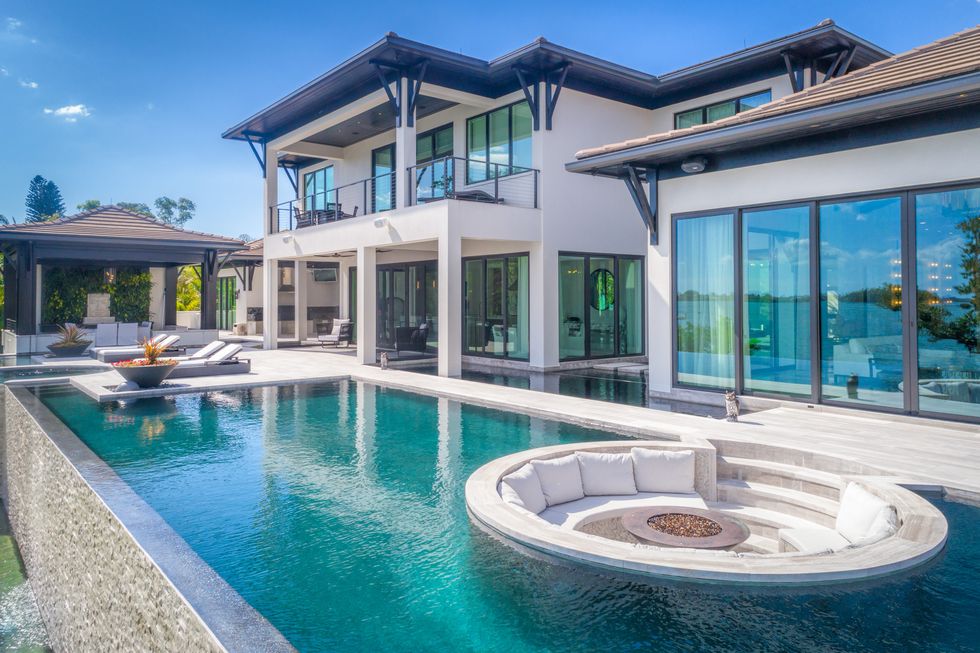
Buying luxury homes with pools requires looking past sparkling water and scenic backdrops to evaluate structural integrity, maintenance realities, and long-term property value. When you're searching for a high-end property featuring custom aquatic amenities, you're investing in an entire micro-ecosystem that demands precise engineering, specialized upkeep, and careful zoning compliance.
The primary keyword luxury homes with pools represents a distinct niche in high-end real estate where aesthetic appeal meets heavy mechanical infrastructure. Whether you want a sleek lap pool for daily fitness or a resort-style infinity edge for weekend entertaining, understanding what makes these properties valuable—and knowing what hidden costs to watch for—ensures you make a sound investment.
Why Luxury Homes With Pools Command Higher Valuations
Properties featuring custom water features consistently attract affluent buyers, but their appeal goes far beyond visual luxury. Real estate markets in warm climates or affluent suburban enclaves treat these installations as premier selling points, often driving up resale values significantly compared to dry properties.
Beyond property appreciation, these estates offer tangible lifestyle advantages. A private pool gives you complete control over your schedule, eliminating crowded public facilities while offering a secluded environment for health routines and social gatherings. Hydrotherapy and regular swimming provide proven physical and mental health benefits, reducing stress and improving cardiovascular fitness without leaving your property line. Furthermore, an expertly landscaped poolside patio transforms an ordinary backyard into an expansive outdoor living room, expanding your functional square footage.
Essential Architectural Features of High-End Pools
Not all aquatic installations are built equally. When evaluating high-end properties, look closely at the engineering, materials, and integrated technology that separate standard backyard setups from elite architectural features.
- Infinity Edges and Perimeter Overflow: These designs create a visual boundary where water spills over one or more edges into a hidden catch basin, producing a seamless horizon effect against ocean or mountain views.
- Advanced Material Selection: Premium builds utilize durable interior finishes like glass tiles, polished quartz, or marine-grade stainless steel rather than standard plaster, ensuring decades of resistance to chemical wear and UV degradation.
- Integrated Automation Systems: Modern high-end properties feature smart-home integration allowing you to control water temperature, pH balancing, LED lighting arrays, and automated pool covers directly from a smartphone or tablet.
- Attached Spa Elements: Raised spillover spas or integrated grottoes add architectural depth and provide multi-season usability when paired with high-capacity commercial-grade heaters.
Crucial Steps for Inspecting a Pool Property
Falling in love with a stunning backyard view is easy, but ignoring the mechanical room can lead to five-figure repair bills within your first months of ownership. Before closing on any high-end estate, you must conduct a rigorous, multi-point evaluation.
First, hire an independent, certified pool inspector who has no affiliation with the selling agent or the original builder. Standard home inspectors rarely possess the specialized knowledge required to test underground plumbing lines, electrical bonding grids, and high-capacity filtration pumps.
Second, check the pool shell for structural shifting or cracking. Concrete and gunite pools can develop hairline cracks over time, but major structural fissures indicate unstable soil conditions or poor foundational engineering. If the pool is vinyl-lined or fiberglass, check for blistering, warping, or seam separation.
Third, review local zoning and insurance regulations. Many municipalities mandate specific perimeter fencing heights, self-closing latches, and automated pool covers to meet municipal liability codes. According to guidelines from the Association of Pool & Spa Professionals, compliance with safety barriers is not just a regulatory hurdle but an essential measure for protecting children and pets.
Hidden Costs and Ongoing Maintenance Realities
Owning an estate with custom water features involves ongoing financial commitments that extend far beyond your initial mortgage payment. Failing to budget for these operational expenses can quickly turn a dream purchase into a financial drain.
Chemical balancing, routine scrubbing, and filter cleanings require either your consistent weekly labor or a professional pool service contract. Depending on your region, professional cleaning services range from $150 to $400 monthly. Additionally, heating a large body of water during shoulder seasons can cause utility bills to spike dramatically unless the property utilizes an efficient geothermal heat pump or solar thermal panels.
Major components also have finite lifespans. Variable-speed pumps typically last 8 to 12 years, while automation control boards and salt chlorine generators may require replacement every 5 to 7 years. Setting aside an annual maintenance fund equal to one or two percent of the pool's installation cost protects you against sudden equipment failures.
Frequently Asked Questions
Do luxury homes with pools hold their resale value well?
Yes, in regions with favorable climates or within affluent suburban markets, a well-maintained custom pool attracts a dedicated pool of buyers and can yield a strong return on investment when selling. However, in cooler climates with short summers, a pool may narrow your eventual buyer pool.
What is the difference between concrete, fiberglass, and vinyl pools?
Concrete (or gunite) offers completely custom shapes and supreme durability but requires resurfacing every 10 to 15 years. Fiberglass arrives as a pre-formed shell offering quick installation and smooth surfaces, though size and shape options are constrained by transport limits. Vinyl utilizes a flexible liner over a framed wall structure, requiring liner replacement every 7 to 10 years.
How much does it cost to run a luxury pool monthly?
Between electricity for variable-speed pumps, sanitizing chemicals, water evaporation top-offs, and seasonal heating, operating a large high-end pool typically costs between $100 and $400 per month, varying heavily based on local utility rates and climate.
Can luxury pools be used year-round in colder climates?
Yes, through a combination of high-capacity natural gas heaters, geothermal heat pumps, automated insulating covers, and attached indoor-outdoor layouts, luxury pools can remain comfortable even during winter months.


