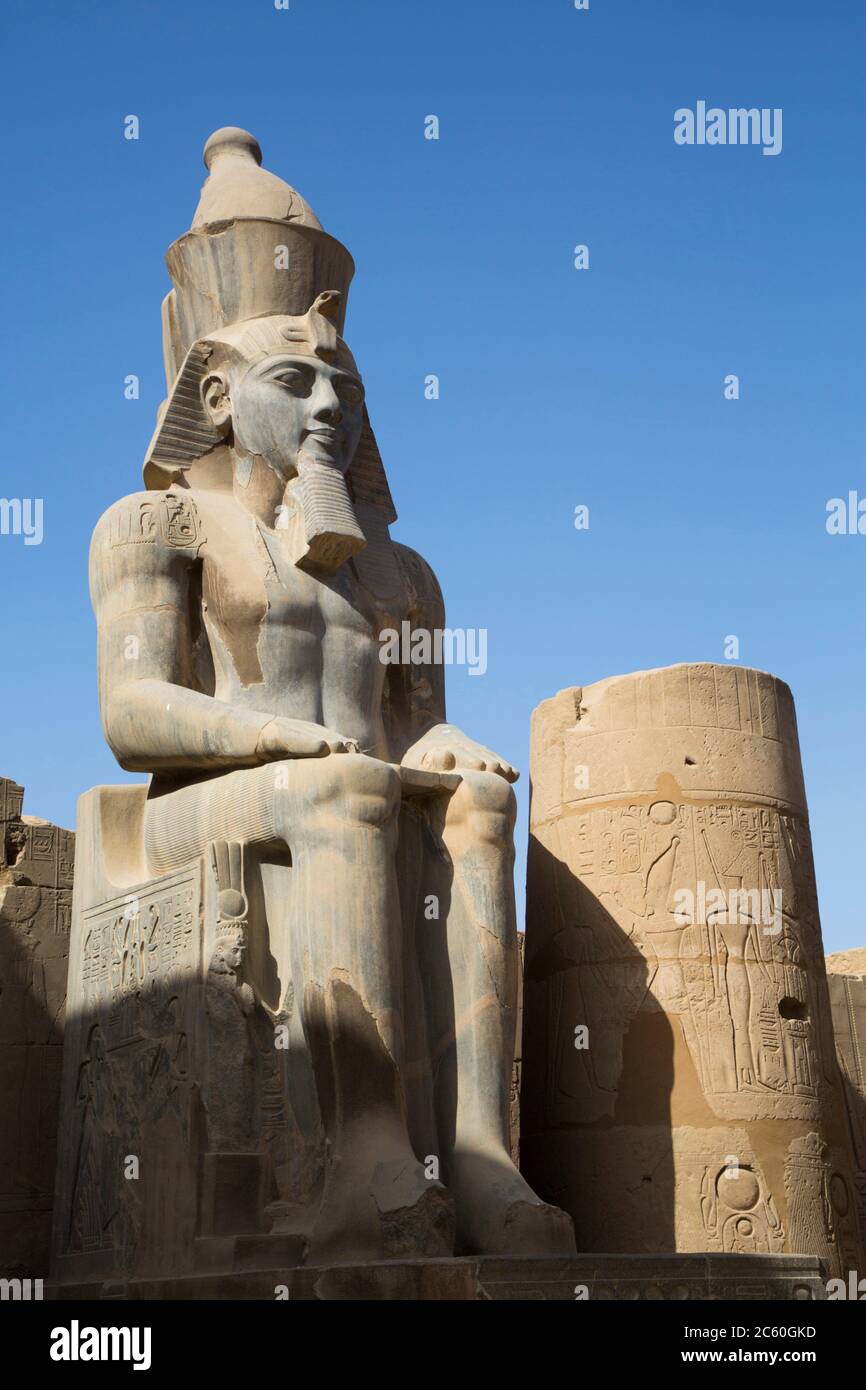
Luxor isn't just a collection of sun-baked ruins you rush through before noon; it's shifting into an around-the-clock destination where visitors can explore ancient monuments after dark, navigate sites using unified digital booking apps, and experience local culture past traditional tourist hours. For decades, international visitors faced a rigid schedule: arrive at dawn, race the desert heat through the Valley of the Kings, and retreat to air-conditioned hotels by midday. Today, municipal reforms, extended opening hours, and smart infrastructure are reshaping how travelers interact with the world's largest open-air museum.
This evolution addresses a long-standing bottleneck in Egyptian tourism. By dispersing crowds across cooler evening hours and introducing digitized crowd management, Luxor is balancing heritage preservation with the demands of modern global travelers. Whether you're planning an upcoming trip or rethinking how to experience Upper Egypt, understanding this new framework helps you avoid common pitfalls and squeeze the most value out of your itinerary.
The Infrastructure Shift: Digital Ticketing and Extended Hours
Navigating Luxor used to mean standing in long ticket lines under the blazing sun, clutching cash, and hoping guidebooks matched reality. The Ministry of Tourism and Antiquities has overhauled this process by implementing centralized digital ticketing platforms for major landmarks like Karnak Temple and the Luxor Temple complex.
- Unified Digital Passes: Visitors can buy timed-entry passes online via official government portals, bypassing physical ticket booths entirely.
- Extended Access: Major sites now feature staggered evening lighting, allowing visitors to tour colonnades under the stars without fighting daytime crowds.
- Real-Time Data Integration: Mobile apps track visitor density at specific tombs in the Valley of the Kings, routing travelers to less-congested chambers to protect fragile wall paintings from excessive humidity.
According to a Ministry of Tourism and Antiquities cultural strategy report, digital gate management reduces physical wear and tear on sensitive stone carvings while cutting average entry wait times by over half. For another angle on this story, check out the recent coverage from National Geographic Travel.
Moving Beyond the Standard Two-Day Itinerary
Most tour operators traditionally dropped visitors in Luxor for 48 hours—just enough time to check off Karnak, Luxor Temple, and Hatshepsut's mortuary temple. The 24/7 initiative encourages longer stays by opening up distinct neighborhood experiences and nocturnal activities.
Night Tourism and Evening Programming
The temperature drop after sunset creates an ideal environment for exploration. Luxor Temple features an advanced LED illumination system installed with input from conservation architects to highlight sandstone hieroglyphs without generating harmful heat. Local authorities have also upgraded pedestrian pathways along the Nile Corniche, adding security patrols, bright street lighting, and bilingual signage so visitors can walk safely late into the evening.
Immersive Community Cooperatives
Beyond the major monuments, travelers can engage with local artisans in West Bank villages like Qurna. Rather than stopping at mass-market souvenir shops, visitors book workshops directly through community-led cooperatives. You can watch traditional textile weavers, learn pottery techniques, or participate in evening coffee ceremonies that showcase contemporary Upper Egyptian daily life.
Traditional Itinerary vs. Luxor 24/7 Model
-----------------------------------------------------------
Traditional: Dawn temple sprint -> Midday hotel lock-in -> Sunset boat ride
Luxor 24/7: Staggered morning entry -> Flexible afternoon workshops -> Midnight colonnade stroll
Practical Steps for Planning Your Luxor Trip
If you want to experience this modernized destination effectively, you need a strategy that steps away from cookie-cutter tour packages.
- Book Official Digital Passes Early: Secure your general admission and special-access tomb tickets (like the tomb of Nefertari) weeks in advance through authorized portals, as daily caps are strictly enforced to protect conservation efforts.
- Shift Your Body Clock: Embrace the local rhythm by sleeping during the peak heat between 1:00 PM and 4:00 PM, then starting your major outdoor site visits during late afternoon or evening hours.
- Choose Accommodations Wisely: Stay in boutique guesthouses on the West Bank or boutique properties along the East Bank Corniche to easily access late-night river transport and local dining spots.
- Hire Licensed Specialists: When booking night walks or specialized archaeological tours, verify credentials through the Egyptian General Authority for Tourism Promotion to ensure reliable guidance.
Common Mistakes to Avoid
Travelers often stumble when adapting to Luxor's shifting landscape. Keep these common missteps in mind:
- Ignoring Daily Visitor Caps: Assuming you can walk up and buy tickets to high-demand tombs on the same day will leave you stranded.
- Rushing the West Bank: Trying to cram the Valley of the Kings, the Ramesseum, and the Tombs of the Nobles into a single morning guarantees burnout. Spread them out across multiple cooler sessions.
- Overlooking Local Etiquette: While the city is modernizing, it remains a traditional community. Dress modestly when exploring residential neighborhoods away from resort zones.
- Neglecting Hydration and Timing: The desert climate doesn't cool down immediately after sunset. Carry water and pace your physical exertion during evening walks.
For additional travel advisory updates and official entry guidelines, check resources provided by the Government of Canada Travel Advice before departure.
Frequently Asked Questions
Can I visit the Valley of the Kings at night?
No. While Luxor Temple and Karnak offer evening ticket slots with specialized lighting, the underground royal tombs in the Valley of the Kings close in the afternoon to protect fragile pigments and reliefs from humidity generated by visitors.
Do I need internet access to use the new digital ticketing systems?
Yes, having a reliable mobile data connection or an eSIM is essential for pulling up digital passes and scanning QR codes at site gates. Public Wi-Fi near the monuments can be spotty.
How many days should I allocate for a modern Luxor trip?
While older itineraries recommend two days, allocating four to five days allows you to balance major historical sites with evening cultural events, West Bank craft workshops, and slower-paced Nile exploration.
Is Luxor safe for walking alone at night?
Main tourist areas, including the illuminated Nile Corniche and the path surrounding Luxor Temple, feature enhanced lighting and regular security patrols, making evening walks secure. Standard travel common sense still applies in unlit or remote backstreets.



