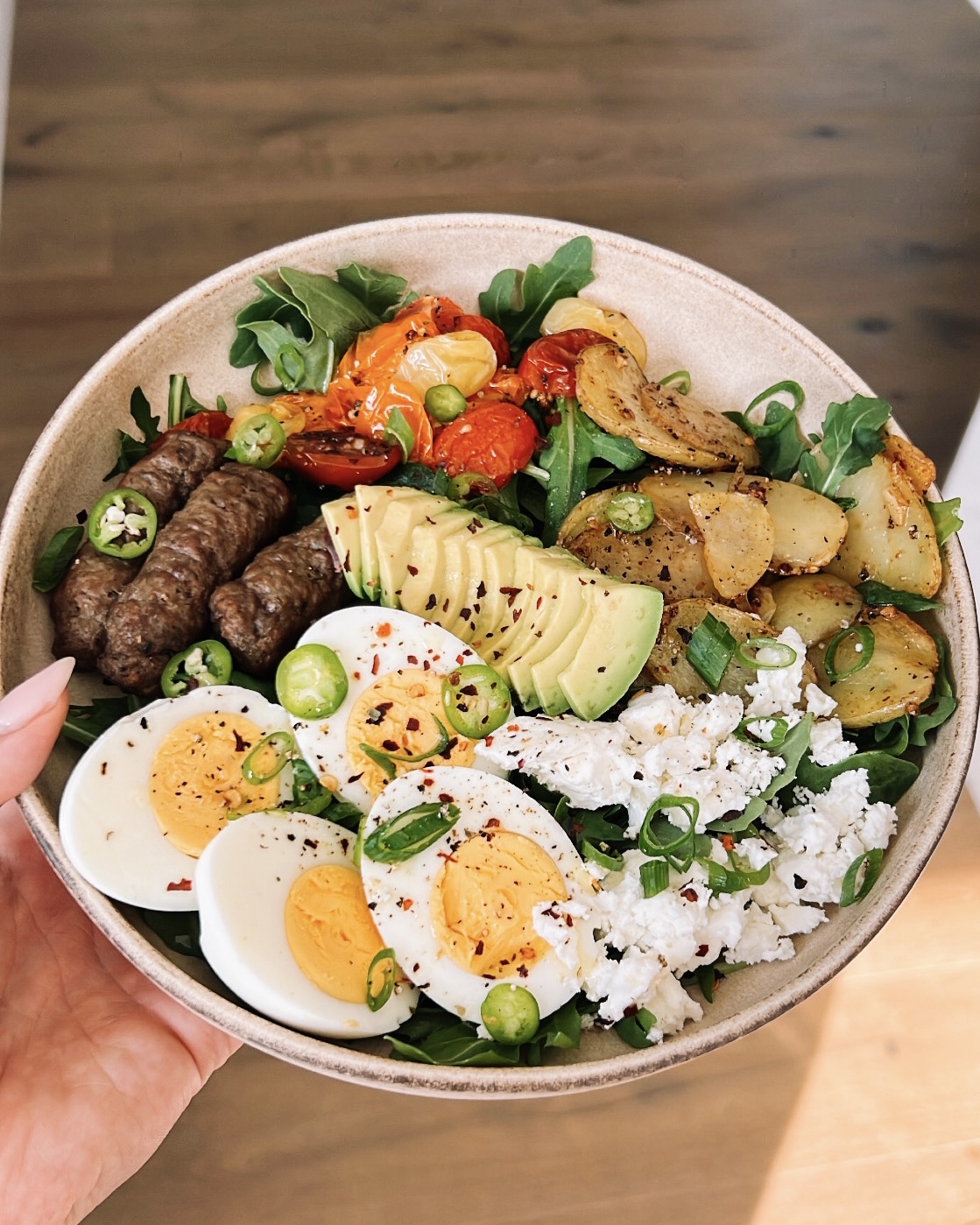
The mid-day meal split is a quiet daily friction point. Half the office flocks to the breakroom or local cafe right at the stroke of twelve, while the other half prefers to hold out until one. This is not just a scheduling quirk. It exposes a tug-of-war between institutional habit, biological cues, and social synchronization. When you look closely at the arguments for both sides, the choice of when to eat shapes your afternoon energy, your workflow, and even your digestion.
The cultural default leans heavily toward the twelve o'clock hour. For generations, traditional school schedules and corporate office structures treated noon as the halfway mark of the waking day. Eating right at midday splits a standard nine-to-five neatly in half. Yet, a vocal camp argues that one o'clock is the superior choice, pointing to circadian rhythms, productivity curves, and global cultural norms. Let's look at what drives the split and which option makes the most sense for your daily rhythm.
The Case for the 12 PM Lunch
Eating lunch at twelve noon remains the default choice for millions of workers and students. The primary driver here is symmetry. If you start your workday at eight or nine in the morning, twelve o'clock hits right at the four-hour mark. It provides a logical pause before fatigue fully sets in.
Another major advantage of the twelve o'clock lunch is institutional momentum. When an entire workplace breaks at noon, coordination becomes effortless. Meetings naturally wind down, collaborative projects pause, and teams can grab food together without disrupting communication channels. For parents, aligning midday meals with school schedules makes twelve o'clock the practical choice for household management.
However, the twelve o'clock slot comes with distinct drawbacks. Popular food spots and cafes experience intense congestion between twelve and twelve-thirty. If you step out for a bite, you often waste precious minutes standing in queues. Furthermore, eating too early means you face a long, empty stretch between lunch and the end of the workday, which often triggers late-afternoon sugar cravings.
The Case for the 1-PM Lunch
Pushing your midday meal back by an hour shifts the dynamic entirely. Proponents of the one o'clock lunch argue that it aligns better with human biology and modern workflow patterns.
From a physiological perspective, morning cortisol and adrenaline levels often keep early hunger at bay. Waiting until one o'clock ensures you are genuinely hungry rather than eating simply because the clock says so. For remote workers and independent professionals, the one o'clock slot often serves as a hard boundary separating deep-focus morning work from administrative afternoon tasks.
Global traditions also support the later hour. In many European and Latin American cultures, the main midday meal traditionally occurs between one and three in the afternoon, often functioning as a slower, more deliberate reset. By shifting lunch to one, you shorten the final leg of your afternoon. Once you return to your desk at two o'clock, only a few hours remain, making the remainder of the workday feel much faster.
Physiological and Productivity Impacts
Your choice of lunchtime affects more than just your schedule—it directly influences your cognitive performance. Research into circadian rhythms shows that human alertness dips naturally in the early afternoon, often referred to as the post-lunch dip.
Eating a heavy meal at twelve can amplify this sluggishness, plunging you into an unproductive fog just as important afternoon tasks demand your attention. Delaying your meal until one o'clock can sometimes push that energy drop to a time when you are wrapping up your day rather than trying to dive into complex problem-solving.
At the same time, waiting too long has pitfalls. If your breakfast was light, pushing lunch to one o'clock can cause a drop in blood sugar, leading to irritability and poor concentration during late-morning hours. Finding the sweet spot depends entirely on when you ate your morning meal and how your body processes energy.
How to Choose Your Optimal Midday Meal Time
Instead of letting a default clock setting dictate your routine, you can evaluate your personal habits to find the best window. Consider these practical factors when planning your midday break:
- Track your morning hunger cues: Note the exact hour when your focus begins to slip due to lack of fuel. If hunger hits hard by eleven-thirty, forcing yourself to wait until one is counterproductive.
- Analyze your workflow demands: If your afternoons involve high-stakes collaborative meetings, syncing with your team's twelve o'clock break prevents communication bottlenecks. If your mornings are high-focus, use an independent one o'clock break to protect your flow state.
- Account for evening routines: If you eat dinner late, a later lunch at one o'clock prevents you from feeling over-stuffed all afternoon. Conversely, an early dinner requires an earlier lunch to allow for proper digestion.
Adjusting your schedule by thirty minutes can completely change how you feel. Experiment with both slots for a week each and monitor your energy levels, focus, and overall satisfaction.
Frequently Asked Questions
Is there a scientific reason to prefer 12 PM over 1 PM?
Science doesn't point to a single universal hour. Digestion and metabolism depend more on meal composition, portion size, and your personal circadian rhythm than the exact hand of the clock.
Why do some cultures eat lunch much later?
Cultural norms heavily influence meal times. Countries with warmer climates often incorporate a mid-afternoon pause or a slower pace of life, making one or two o'clock the natural center of the day.
Does eating lunch earlier help with weight management?
Some studies suggest that eating larger meals earlier in the day aligns better with metabolic efficiency, but consistency and overall nutritional intake matter far more than clock timing.
How can I avoid the noon rush if I prefer an early lunch?
If you prefer eating at twelve, try packing your meal ahead of time or stepping out ten minutes early to beat the peak queue times at local eateries.



