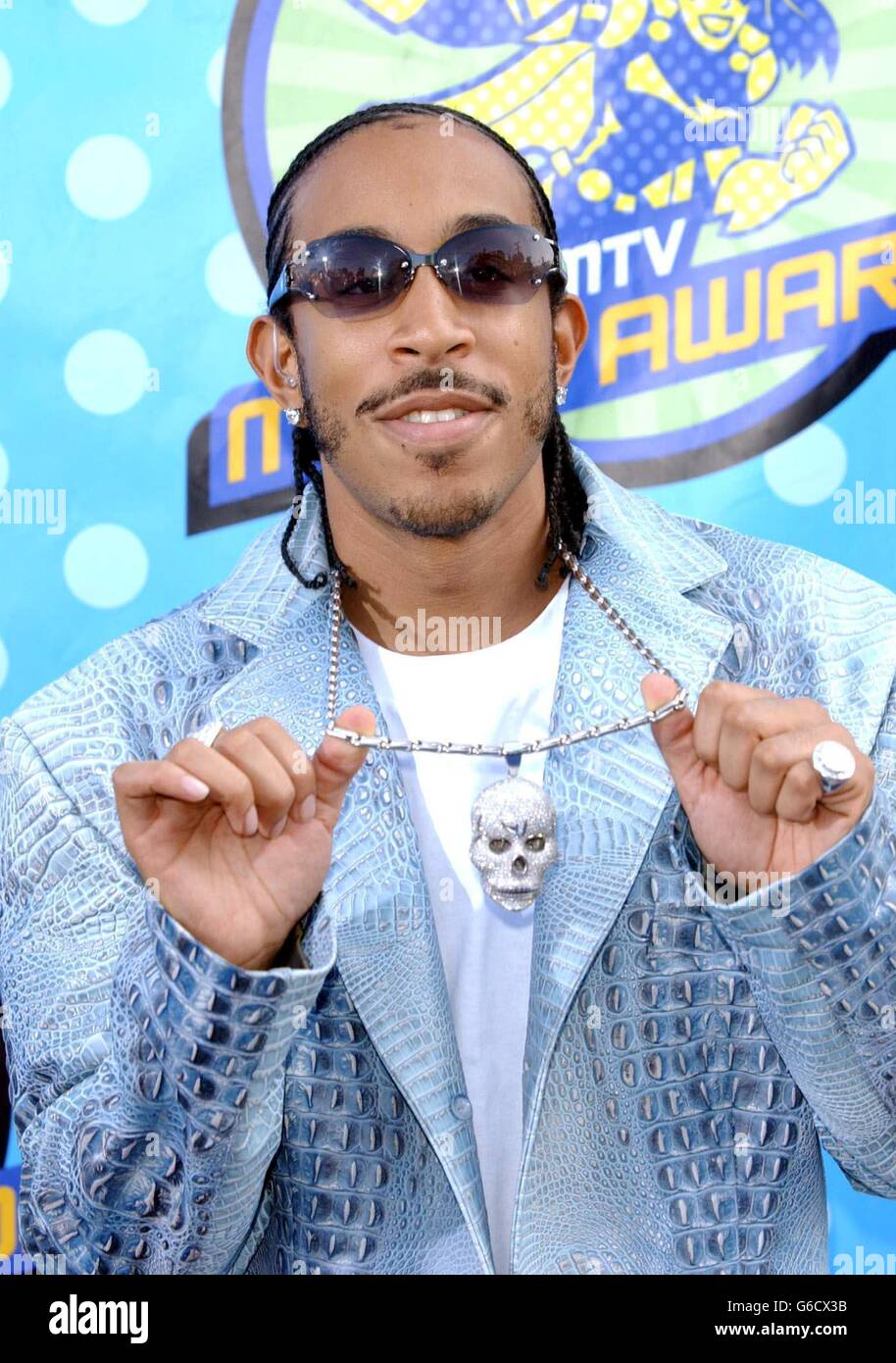
When Ludacris dropped "Shake That Money Maker" as a lead single from The Red Light District in late 2004, the national hip-hop landscape was shifting away from traditional coastal gatekeepers. The track didn't just climb charts; it functioned as a definitive cultural pivot, cementing Southern rap as a dominant commercial force. Built on a surprisingly raw blues foundation and driven by frantic energy, the song captured the exact moment Atlanta claimed permanent residency at the center of American pop culture.
While coastal critics often dismissed Southern club records as novelty anthems, Ludacris engineered a smarter formula. He combined rapid-fire cadences, slapstick humor, and unyielding bravado with a heavy, swinging blues sample. This blueprint proved that street-level energy could translate into global pop dominance without losing its regional identity. We're looking at how this single engineered a seismic shift in mainstream hip-hop production and marketing.
The Blues Roots and Production Anatomy
The song's sonic DNA breaks away from the polished, synthesizer-heavy radio hits typical of the mid-2000s. Production duo The Move anchored the track by sampling Elmore James's 1961 blues classic "Dust My Broom." That grinding, instantly recognizable slide guitar riff provided a gritty counterweight to the track's high-gloss party atmosphere.
Sampling early blues within a modern rap framework wasn't entirely new, but doing it with such direct, aggressive momentum was rare for mainstream radio. The production stripped away unnecessary elements, leaving a hypnotic, minimalist loop. This sparse arrangement gave Ludacris maximum sonic real estate to execute his signature rapid-fire delivery without getting drowned out by heavy bass or over-produced synths. More information into this topic are explored by Associated Press.
- The slide guitar sample bridged historical African American musical traditions with modern southern trap aesthetics.
- The drum programming relied on heavy, syncopated kicks designed specifically for club sound systems.
- The lack of clutter in the beat allowed the vocal cadence to act as the primary melodic driver.
Lyrical Dexterity and Persona Construction
Ludacris built his early career on comedic exaggeration and larger-than-life character work, and this track is a prime example. Instead of adopting the stoic, humorless gangster persona popular in other regions, he leaned into absurdity and self-aware braggadocio. You hear lines delivered at a breathless pace, packed with internal rhymes and pop culture references that demanded multiple listens to catch.
The chorus serves as a direct call-to-action, but the verses reveal an MC obsessed with rhythmic gymnastics. He didn't just rap about wealth; he deconstructed the absurdity of luxury with a wink. That playful tone separated him from contemporaries who took themselves too seriously, making his music universally appealing across different demographics and subcultures.
Commercial Dominance and the Crossover Wave
Commercially, the single validated the economic power of Southern hip-hop. It peaked at number 15 on the Billboard Hot 100 and reached number three on the Hot R&B/Hip-Hop Songs chart. Radio programmers couldn't ignore the massive demand coming from both urban markets and suburban club scenes.
Before this era, major record labels often viewed Southern rap as regional novelty music that couldn't sustain long-term album sales. Ludacris shattered that assumption. His crossover success paved the way for the mid-2000s Atlanta explosion, opening doors for crunk and snap music to flood MTV, BET, and commercial radio stations nationwide. You can trace a direct line from this commercial breakthrough to the eventual dominance of trap music in the decades that followed.
"Ludacris proved that you didn't need to dilute your regional dialect or soften your production to capture a global audience."
🔗 Read more: Zena Tresvant: Howard University
The Visual Identity and MTV Era Influence
Director Dave Meyers captured the song's sensory overload in the accompanying music video, which became a staple of MTV's heavy rotation. The video leaned heavily into high-contrast colors, rapid editing, and surrealist humor, mirroring the frantic pacing of the lyrics.
In an era before streaming algorithms dictated music discovery, visual rotation on television networks made or broke a track's lifespan. By pairing a gritty blues-infused rap record with vibrant, cinematic visuals, the campaign created an inescapable pop culture moment. Fans weren't just hearing a song; they were stepping into a high-energy party aesthetic that defined 2000s youth culture.
Frequently Asked Questions
What song was sampled for the beat?
The track uses a prominent guitar sample from blues icon Elmore James's 1961 recording of "Dust My Broom," injecting traditional Delta blues into a modern hip-hop rhythm.
How did this single impact Ludacris's career?
It solidified his transition from a rising regional star to a bankable international headliner, proving his fourth studio album, The Red Light District, would maintain the momentum of his multi-platinum debut.
Why was Southern rap struggling for mainstream radio airplay prior to this era?
Traditional industry power brokers based in New York and Los Angeles often sidelined Southern artists, viewing their regional slang and club-heavy tempos as temporary trends rather than viable long-term genres.
Where does this track rank in the broader history of Atlanta hip-hop?
It stands as a crucial stepping stone that connected the early underground Dungeon Family sound to the commercial explosion that later put Billboard charts under Atlanta's control for decades.



