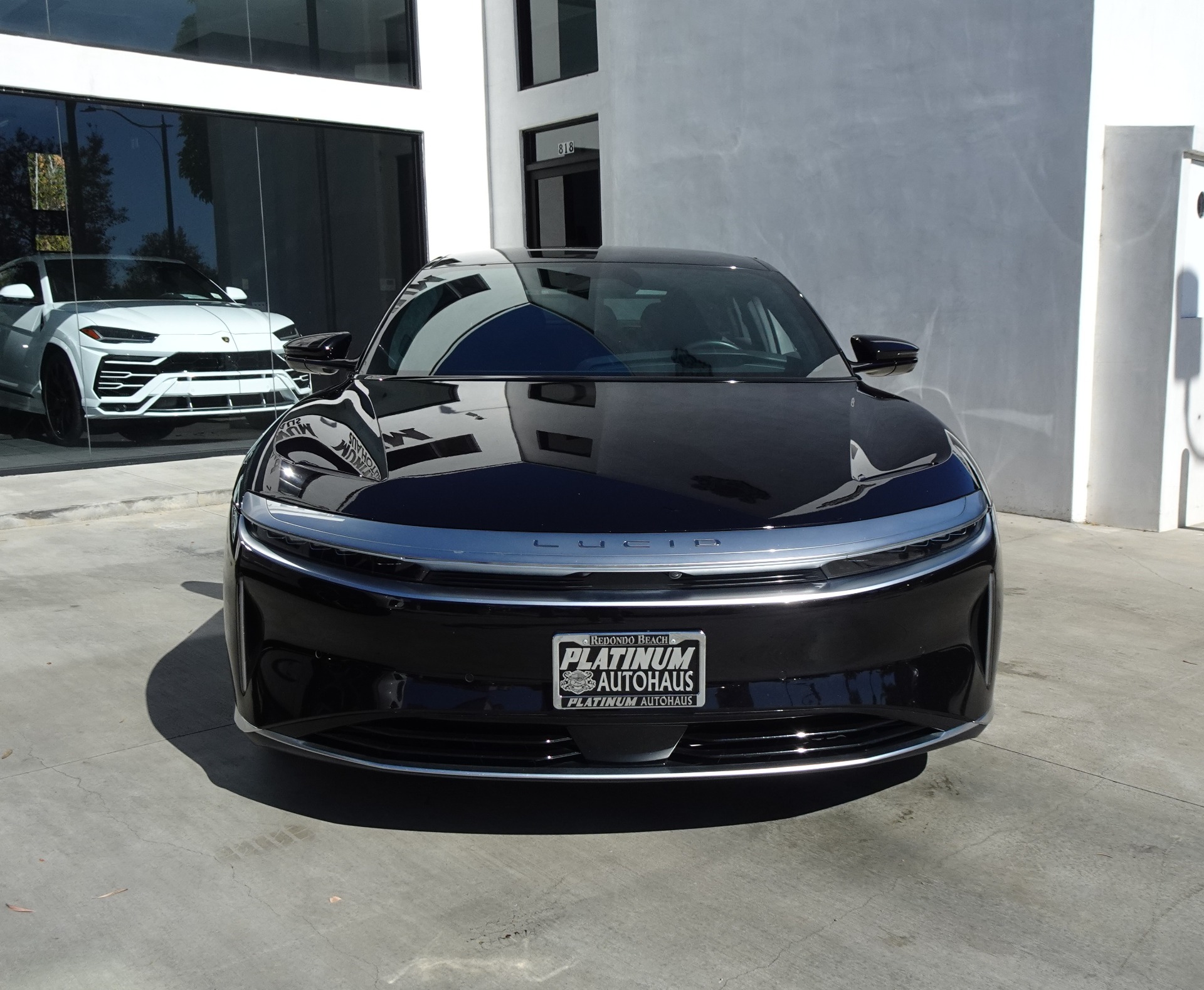
Lucid Group trades on the NASDAQ under the ticker symbol LCID, drawing intense market scrutiny since its public debut. If you're tracking how this electric vehicle manufacturer moves on major exchanges, you'll find a trajectory defined by high-profile hype, steep capital expenditures, and severe valuation corrections. Understanding why LCID behaves the way it does requires looking past surface-level ticker quotes and examining production volume, cash burn rates, and broader technology sector trends.
Public markets initially treated the company as a prime challenger to legacy automakers and early EV pioneers. Valuations soared during the blank-check merger boom, only to face heavy gravity as manufacturing realities set in. We'll break down the structural pressures, trading patterns, and financial hurdles shaping Lucid's journey on the tech-heavy exchange.
The Public Debut and Early Volatility
Lucid entered the public markets via a special purpose acquisition company merger, a path shared by several automotive startups during the 2020 and 2021 market surge. Initial sentiment drove share prices to dramatic heights as retail and institutional investors chased the next high-growth transportation play.
Early trading sessions on the exchange exhibited classic high-beta behavior. Every production milestone or factory expansion announcement triggered sharp upward momentum, while supply chain bottlenecks or delivery delays brought swift pullbacks. This volatility established a pattern where macroeconomic sentiment toward growth equities heavily dictated daily price action, often overshadowing fundamental manufacturing metrics.
Production Realities Versus Market Expectations
Valuation disconnects happen when market capitalization outpaces actual output. Lucid engineered an acclaimed luxury sedan, the Lucid Air, earning praise for efficiency and battery range. However, scaling physical assembly lines proved intensely capital-intensive.
- Supply Chain Pressures: Sourcing specialized components required expensive vendor agreements and long lead times.
- Capital Burn: Building manufacturing infrastructure in Arizona and expanding international footprints drained cash reserves faster than vehicle revenues replenished them.
- Volume Constraints: Lower-than-projected delivery numbers meant fixed costs weighed heavily on quarterly financial statements.
When production targets slipped, institutional investors re-evaluated the risk premium attached to pre-profit manufacturing companies. Share prices adjusted downward to reflect the extended timeline needed to reach profitability.
Macroeconomic Headwinds on Tech Exchanges
Exchange-listed growth stocks are sensitive to interest rate environments. As central banks tightened monetary policy to combat inflation, the cost of capital rose sharply. Investors shifted capital away from speculative, cash-burning equities toward safer, yield-generating assets.
Lucid felt this macroeconomic shift acutely. High interest rates made debt financing expensive, forcing reliance on equity offerings and strategic investments from major stakeholders like Saudi Arabia's Public Investment Fund. These cash infusions kept assembly lines moving but resulted in equity dilution, impacting per-share value calculations for retail holders.
Common Mistakes When Trading LCID
Retail traders often misread high-volatility equities like Lucid. Avoiding costly missteps requires recognizing recurring market traps.
- Chasing Short-Term Spikes: Sudden volume surges often stem from speculative hype or rumors rather than fundamental operational improvements. Entering positions without checking SEC filings or verified delivery reports invites heavy drawdowns.
- Ignoring Dilution Risk: Capital raises are common for scaling manufacturers. Failing to account for how new share issuances affect overall equity value leads to miscalculated long-term positions.
- Misjudging Burn Rate: Looking only at top-line vehicle sales while ignoring operating expenses and cash runways paints an incomplete picture of financial stability.
Frequently Asked Questions
What ticker symbol does Lucid use on the stock exchange?
Lucid Group trades under the ticker symbol LCID on the NASDAQ exchange.
Who are Lucid's primary financial backers?
The company has received substantial backing from the Public Investment Fund of Saudi Arabia, which holds a major ownership stake and provides crucial capital support for scaling production and global expansion.
Why did Lucid's valuation drop significantly from its peak?
The decline stems from a combination of slower-than-expected vehicle delivery growth, high capital expenditure requirements, ongoing net losses, and a broader macroeconomic shift away from high-beta growth stocks due to higher interest rates.
How does vehicle production volume impact the stock price?
Because automotive manufacturing requires massive fixed infrastructure, stock prices react intensely to delivery reports. Meeting or beating delivery forecasts signals operational efficiency, while missing targets raises concerns about cash burn and inventory buildup.



