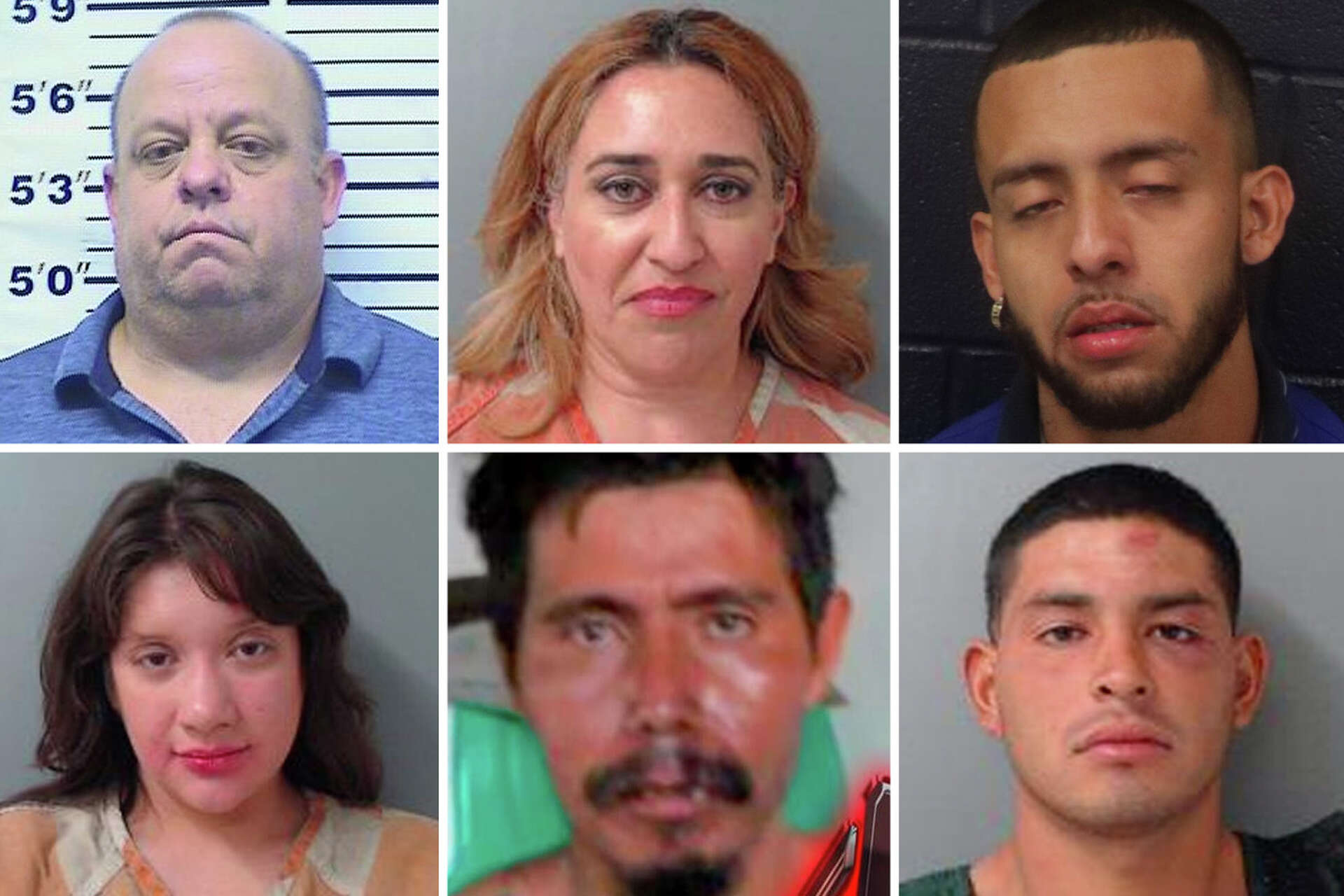
Finding booking photos online creates a permanent digital shadow for anyone who has ever interacted with the legal system in northwest Ohio. When someone searches for Lucas County arrest records, they often encounter third-party aggregators rather than official municipal databases. These private websites scrape booking photos and charge fees for removal, exploiting open-government laws for profit. Understanding how public records work in Ohio helps citizens navigate this ecosystem safely.
Under the Ohio Public Records Act, outlined in Ohio Revised Code §149.43, jail bookings and police logs are generally open to inspection. The Lucas County Sheriff's Office provides access to these files to ensure government transparency. However, the framers of transparency laws never anticipated automated scrapers republishing booking images across commercial networks. This tension between public accountability and individual privacy forms the core of the modern digital mugshot dilemma.
How Lucas County Arrest Records Enter the Public Domain
The lifecycle of an online booking photo begins at a holding facility, such as the Lucas County Jail in Toledo. When booking occurs, deputies capture facial photographs and fingerprints, compiling these alongside charges into a central repository.
- Intake and Processing: Officers record physical descriptions, timestamps, and specific docket numbers.
- Database Entry: Information syncs with local law enforcement software and county databases.
- Public Access Window: Logs become accessible to journalists, researchers, and commercial data brokers.
Because Ohio law mandates open access to government files, third-party companies write code to harvest these feeds daily. They instantly republish the intake photos on external domains. By optimizing these pages for search engines, commercial actors ensure that an arrest record often outranks an individual's professional profile.
The Business Model Behind Commercial Mugshot Sites
Commercial mugshot directories rely on a predatory financial structure. They post arrest photos without context, ignoring whether charges were dropped, reduced, or resulted in an acquittal.
The monetization strategy centers on extortionate removal fees. Affected individuals find their employment prospects and housing applications threatened by high-ranking search results. When they attempt to clear their name, these platforms demand payment to take down the image. Paying them often fails to solve the problem, as sister sites frequently mirror the exact same content within days.
Legal challenges have forced some aggregators to alter their tactics, but enforcement remains difficult. Because many of these companies register anonymously or operate out of state, victims face steep legal hurdles when trying to seek injunctive relief.
Official Channels vs. Third-Party Aggregators
Distinguishing between official county resources and commercial traps protects citizens from scams. Official government portals use secure .gov extensions and do not demand payment to view public logs.
- Lucas County Sheriff's Office: Handles direct requests for official incident reports and booking logs through their administrative records section. Electronic copies are typically provided free of charge, while physical copies incur nominal per-page printing fees.
- Lucas County Clerk of Courts: Maintains the official docket history for criminal cases, showing whether a charge was dismissed or led to a conviction.
- Third-Party Sites: Often display aggressive advertising, request credit card details for basic searches, and offer paid "reputation management" packages.
Protecting Personal Privacy and Requesting Record Sealing
Ohio law provides pathways for individuals to restrict access to old court files, though the process requires navigating specific legal criteria. Expungement and record sealing are the primary tools available to limit the reach of historical arrests.
If a case resulted in a complete dismissal, a not-guilty verdict, or a no-bill by a grand jury, eligibility for sealing often happens much faster than convictions. Once a judge grants an expungement or sealing order, government agencies must isolate the records, cutting off the feed that commercial scrapers rely on.
People seeking to clear their names should consult the Lucas County Public Defender's Office or private defense counsel to review eligibility under Ohio's updated expungement statutes. Sealing a file doesn't instantly erase content already scraped by third parties, but it provides the legal foundation required to demand removal under various state privacy frameworks and platform policies.
Frequently Asked Questions
Are mugshots free to view through official Lucas County channels?
Yes. Official requests submitted directly to the Lucas County Sheriff's Office or Clerk of Courts for public files are free for electronic delivery, though physical copies involve standard statutory duplication fees. Official offices never charge a fee to suppress public data.
Can commercial websites legally publish Lucas County booking photos?
Because Ohio considers booking logs public records, aggregators often argue that republishing government data is protected speech. However, several states have passed specific legislation restricting commercial mugshot release or banning fee-extraction removal schemes.
Does a dismissed case automatically disappear from the internet?
No. While law enforcement systems update disposition statuses, commercial scrapers rarely sync updates automatically. If a case is dismissed, individuals usually must contact sites directly or secure a formal record sealing order to force removal.
What should I do if a mugshot site demands money for removal?
Consumer protection agencies strongly advise against paying commercial mugshot operators. Payment validates their business model and rarely guarantees permanent deletion, as data often reappears on associated domains. Focus instead on legal record sealing and pushing positive content down in search results.


