Finding out if you or someone else has an active legal order hanging over them doesn't require handing over credit card details to shady commercial data brokers. If you're searching for public accountability or checking your own status in Louisiana, official channels provide transparent pathways to locate records without spending a dime.
Louisiana law ensures that most basic arrest records and active bench orders remain accessible to the public through local parish authorities and state-level repositories. Knowing where to look saves time and prevents you from falling victim to predatory websites charging fees for publicly available information.
Understanding Louisiana Legal Orders
Before diving into databases, it's vital to distinguish between the types of legal mandates issued by Louisiana courts. Not all files carry the same weight, and knowing the specific classification dictates where you need to look.
Bench Warrants vs. Arrest Warrants
A bench warrant is issued directly by a judge when an individual fails to appear in court, violates probation terms, or ignores a jury summons. These usually relate to minor infractions, traffic violations, or failure to pay court fees.
An arrest warrant, by contrast, is requested by law enforcement or prosecutors who present probable cause to a magistrate that a specific person committed a crime. These often involve more serious offenses and mean law enforcement can take the individual into custody immediately upon contact.
Why Public Access Matters
Transparency laws require courts and law enforcement agencies to maintain public registries. However, police departments often limit online search capabilities for active arrest files to prevent suspects from fleeing. Bench warrants, because they are tied to court proceedings, are frequently much easier to verify through clerk of court portals.
Official Free Ways to Search in Louisiana
Instead of relying on third-party aggregator sites that upsell basic public data, you should target primary government sources.
1. Parish Sheriff Offices and Online Portals
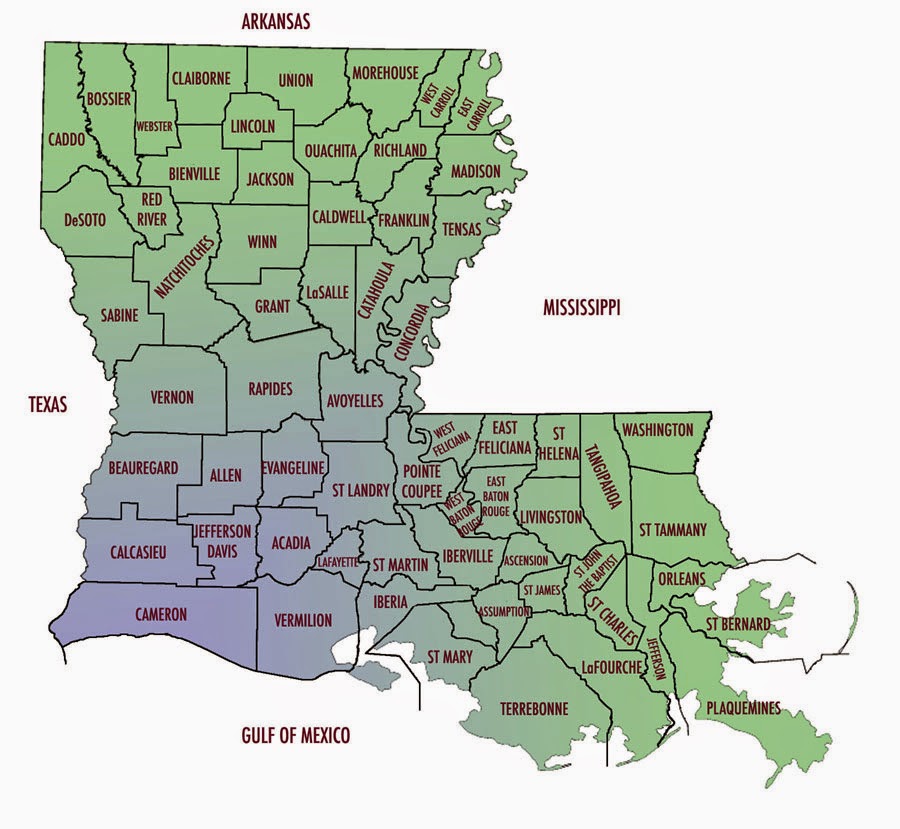
Law enforcement jurisdiction in Louisiana operates primarily at the parish level, mirroring counties in other states. Each of the 64 parishes maintains its own sheriff's office and detention center.
- Check the Parish Website: Many parish sheriff websites feature an online "Inmate Lookup" or "Warrant Search" tool. For example, larger parishes like East Baton Rouge, Jefferson, and Orleans provide searchable public databases.
- Direct Phone Inquiries: If an online portal isn't available, calling the sheriff's records division or visiting the parish office in person yields direct answers. Keep in mind that calling about an active warrant for yourself can sometimes prompt deputies to request your location.
2. Clerk of Court Portals
Because bench warrants stem from missed court dates, the local Clerk of Court keeps track of these files.
- Most parishes utilize online case management systems (such as Civil and Criminal Court Records portals).
- By searching your name in the criminal docket registry, you can view pending charges, missed appearances, and active bench orders tied to specific case numbers.
3. State Police and Specialized Repositories
For broader background checks, the Louisiana State Police (LSP) offers a public background check system. While this tool primarily displays criminal history convictions rather than real-time active files, it remains a reliable baseline for statewide records. You can review guidelines directly on the Louisiana State Police Official Site.
Step-by-Step Guide to Checking Records Safely
Navigating public record systems requires a methodical approach to avoid misinformation.
- Identify the Correct Parish: Pinpoint the exact parish where the incident, missed court date, or alleged offense occurred. Warrants rarely span statewide unless a governor's extradition order or a grand jury indictment is involved.
- Gather Identifying Information: Have the full legal name, date of birth, and race ready. Common names require additional identifiers like middle initials or social security numbers (though online tools rarely ask for SSNs for basic searches).
- Cross-Reference Court Dockets: Visit the specific parish Clerk of Court website to check active criminal dockets. Look for status indicators like "Body Attachment" or "Attachment Issued," which are legal terms for bench warrants.
- Evaluate Results Carefully: Ensure you aren't looking at an outdated record or someone with a similar name. Always verify date stamps on digital dockets.
Common Mistakes to Avoid
- Using Paid Third-Party Sites: Websites promising instant statewide warrant results for a $1 trial fee often scrape old data, add hidden subscription fees, or provide inaccurate summaries. Stick to official
.govportals. - Ignoring Bench Warrants: Assuming a minor traffic ticket warrant will disappear on its own leads to unexpected roadside arrests. Most bench warrants compound with additional failure-to-appear charges and extra fines over time.
- Walking Into Police Stations Blindly: If you suspect you have an active arrest warrant, walking into a station without legal counsel can lead to immediate incarceration. Consulting a local defense attorney first allows you to arrange a voluntary surrender or bond posting.
Frequently Asked Questions
Can I check if I have a warrant without police knowing?
Yes, checking online parish Clerk of Court docket portals or property records generally does not log your IP address to law enforcement dispatch. However, calling a sheriff's office dispatch or records department directly may trigger tracking if you provide identifying details.
Do active warrants expire in Louisiana?
No. Active arrest and bench warrants do not have an expiration date. They remain valid in the state database until the individual is arrested, appears before the judge to resolve the matter, or the issuing court formally recalls the order.
Are online parish search tools completely free?
Most official parish sheriff and clerk of court databases offer free search functions. If a website asks for credit card information before displaying results, you are on a commercial aggregator site rather than an official government portal.
What should I do if an active warrant is found?
Contact a licensed attorney in the relevant Louisiana parish immediately. They can help file motions to recall bench warrants or coordinate a voluntary appearance to minimize time spent in custody.


