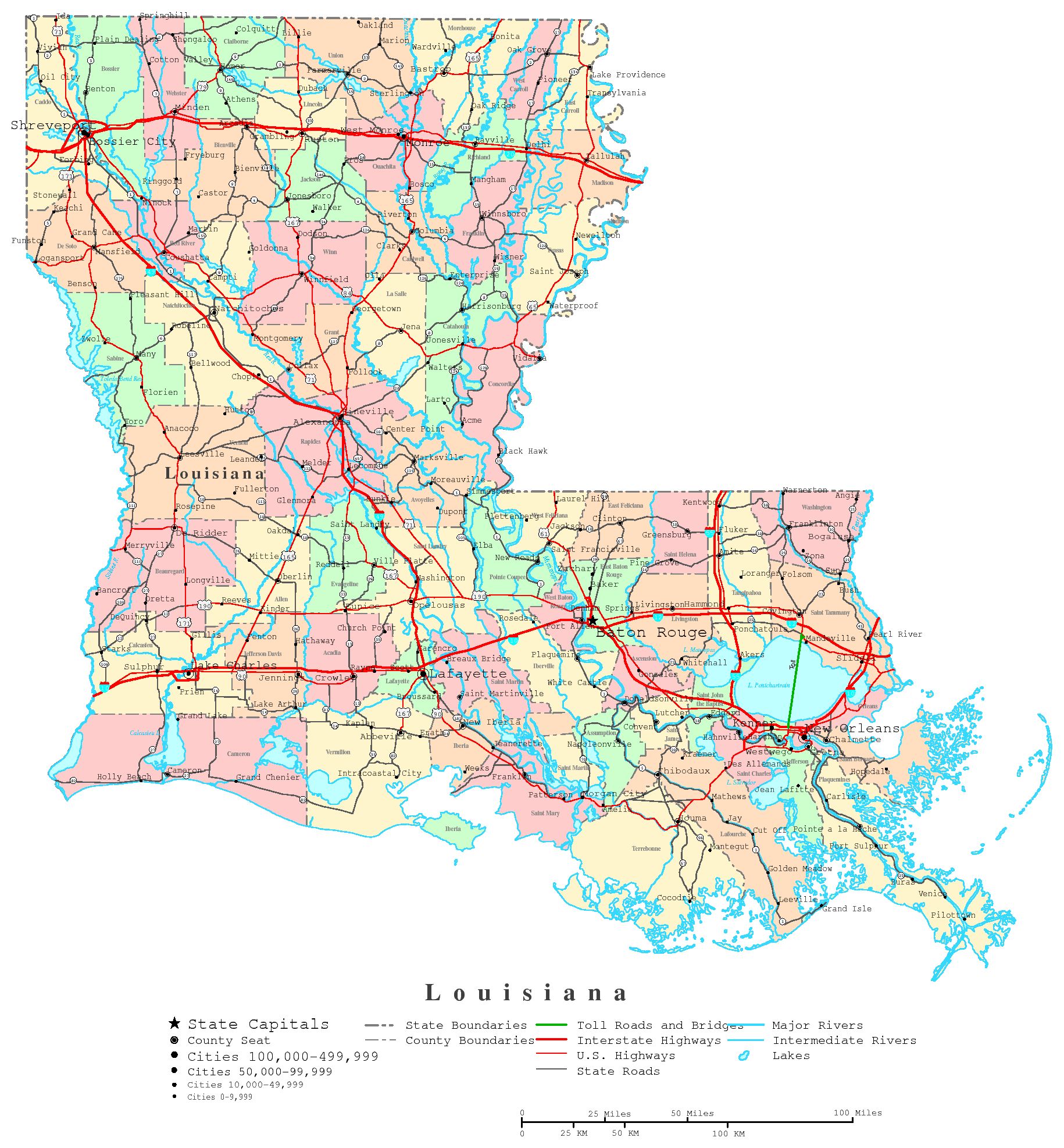
You don't just check a watch in the wetlands; you read the water, the sky, and the movement of the wildlife. While official maps place the state firmly in the Central Time zone, daily life in the southern parishes often follows an entirely different cadence. This temporal identity, forged by generations of French-speaking settlers, isn't about ignoring standard hours. Instead, it's about blending modern schedules with the ecological realities of the Mississippi River delta.
Understanding how time operates down in the bayou requires looking beyond a standard clock face. From commercial crawfishing to community gatherings, everyday routines adapt to seasonal floods, tidal shifts, and oppressive summer humidity. Official standard time governs train schedules and courtrooms, but nature sets the true tempo for work and leisure.
The Geography of Time in Louisiana
Most visitors assume the entire state shares a single uniform schedule, but geography tells a more complex story. The vast majority of the region operates on Central Standard Time (CST, UTC-6) and observes Central Daylight Saving Time (CDT) in the warmer months. Yet, a small slice of the state near the western border historically flirted with different geographic alignments.
State lines don't dictate ecological boundaries. The Atchafalaya Basin and the coastal marshes stretch across multiple counties, or parishes, where community life ignores arbitrary meridians. When the sun dips below the cypress trees, the workday ends regardless of what digital screens display.
- Central Time Dominance: Covers New Orleans, Baton Rouge, Lafayette, and surrounding delta communities.
- Ecological Alignment: Sunrise and sunset dictate agricultural shifts more reliably than standard office hours.
- Resistance to Rigidity: Seasonal changes in daylight hours prompt local adjustments in school start times and market days.
How the Environment Dictates the Daily Schedule
Life in the wetlands revolves around water levels and temperature. Commercial fishermen and shrimpers don't wait for nine-to-five blocks to open. They check NOAA tide predictions and lunar phases before heading out into the marsh. If the tide peaks at three in the morning, that is when the boat leaves the dock.
Agriculture follows a similar path. Sugarcane and rice farmers operate on strict seasonal windows dictated by spring thaws and autumn harvests. You can't rush a field drying out after heavy tropical downpours.
- Tidal Rhythms: Marine harvests depend entirely on water movement rather than standard business hours.
- Heat Management: Fieldwork traditionally begins before dawn to avoid the brutal afternoon heat of the humid summer months.
- Seasonal Shifts: Festivals and community events adjust their calendars to match agricultural downtime.
Cultural Traditions and Nonlinear Time
Cajun and Creole cultures maintain a distinct relationship with social pacing. Community events, music jams, and family meals unfold organically rather than rushing to meet strict deadlines. A traditional crawfish boil doesn't start because a clock strikes six; it starts when the pots reach a rolling boil and the neighbors arrive with cold drinks.
Musicians playing traditional accordion-heavy tunes often let songs breathe, stretching out a waltz or a two-step based on the energy of the dance floor. This cultural flexibility can surprise travelers accustomed to tightly choreographed urban itineraries.
According to historical archives maintained by the State Library of Louisiana, rural communities historically relied church bells and factory whistles to coordinate communal life, blending spiritual devotion with practical labor.
Modern Friction Between Digital Clocks and Bayou Life
Today, smart devices and global supply chains force rural residents to sync up with the rest of the country. GPS navigation systems, remote jobs, and digital banking require precise timestamps. Yet, many locals maintain a dual perspective, keeping one eye on the smartphone and the other on the horizon.
- Connectivity Challenges: Spotty mobile coverage in remote basin areas naturally forces a reliance on analog observation.
- Remote Work Adaptation: Digital professionals moving to southern parishes often learn to slow down their expectations to match local service speeds.
- Institutional Flexibility: Local government offices and small businesses often close early on Fridays or adjust hours during peak weather events.
Frequently Asked Questions
What time zone is Louisiana in?
The majority of Louisiana is in the Central Time Zone (CST/CDT).
Do all parts of Louisiana observe Daylight Saving Time?
Yes, the state observes Daylight Saving Time alongside the rest of the United States, though many rural communities prioritize natural daylight patterns over strict clock shifts.
How do tides affect daily routines in the wetlands?
Tidal shifts dictate when fishermen can navigate shallow bayous and when shrimp or oysters can be harvested efficiently, often shifting daily work schedules by an hour or more.
Why do local events often start late?
Social gatherings in Cajun country frequently prioritize community connection and organic pacing over rigid schedule adherence, leading to a more relaxed approach to punctuality.


