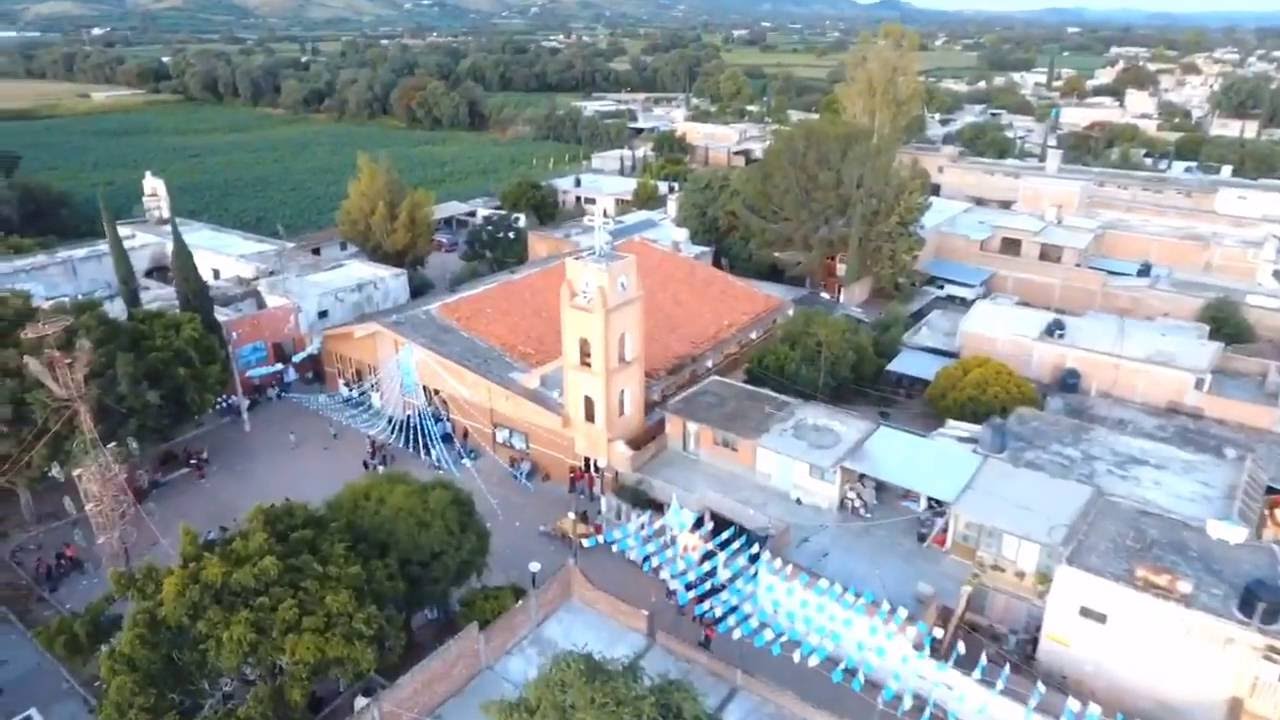
In the mid-2000s, dance floors across Mexico and the United States shifted to a frantic, heavy-bass pulse. This wave was known as duranguense, and at the center of its youthful reinvention stood Los Primos de Durango. Formed in Vicente Guerrero, Durango, in 2003, the group brought a fresh, high-energy approach to a genre that was rapidly dominating regional Mexican music. Rather than fading away with the initial hype, they reshaped the genre's trajectory, proving that traditional roots could successfully merge with modern pop appeal.
Understanding the rise of duranguense requires looking at how a regional brass-and-synth hybrid migrated from rural Mexican towns to massive urban dance halls. Los Primos de Durango didn't just participate in this movement; they redefined it by introducing youth appeal, tight vocal harmonies, and a stylistic evolution that later transitioned into Los Primos MX. Their journey highlights how regional genres adapt, survive, and conquer mainstream charts.
Roots of Duranguense and the Chicago-Mexico Connection
Duranguense music didn't emerge in a vacuum. It was born from the fusion of traditional pasito duranguense—rooted in the state of Durango—and the immigrant experience in Midwestern United States cities, particularly Chicago. During the late 1990s and early 2000s, diaspora communities craved music that connected them to home while fitting the energy of local weekend club scenes.
The sonic blueprint relied on heavy use of synthesizers, a pounding electronic or acoustic tambora drum beat, and rapid-fire saxophone or trombone lines. Bands like K-Paz de la Sierra and Alacranes Musical built the foundation, but the audience demanded fresh blood. Enter the Vargas family members who made up Los Primos de Durango. Debuting as teenagers, they injected a youthful charisma into a scene that had previously been dominated by older musicians.
- The Instrumentation: A core blend of synthesizers playing rapid counter-melodies against traditional percussion.
- The Dance Style: The characteristic pasito step, requiring fast footwork and synchronized group choreography on packed floors.
- The Demographic Shift: Moving older folk traditions directly into the hands of teenagers and young adults on both sides of the border.
Pioneering Duranguense Light and Youthful Appeal
By 2008, Los Primos de Durango released albums like Con Fuego en Tu Piel... 100% Duranguense Light, introducing a sub-genre concept that focused on brighter melodies, romantic lyricism, and cleaner pop structures. Critics and fans noted that this "light" approach made the music more accessible to mainstream radio stations that typically avoided heavier regional tracks.
Instead of relying solely on aggressive dance tempos, the group emphasized catchy hooks and emotive vocals. This pivot allowed them to capture younger demographics who enjoyed dancing but also wanted radio-friendly ballads. Their ability to balance raw regional instrumentation with polished pop songwriting set a new standard for upcoming groups in the Billboard Latin charts ecosystem.
The Evolution to Los Primos MX and Mainstream Crossover
As musical tastes shifted into the 2010s, many strict duranguense acts struggled to maintain relevance as urban Latin and tribal guarachero sounds gained ground. Recognizing this landscape, Los Primos de Durango made a calculated structural shift in 2013, rebranding themselves as Los Primos MX.
This name change was deliberate. As band member Javier Vargas noted in interviews, keeping "Durango" in the title sometimes boxed acts into a strict regional corner. By dropping it, the group opened doors to broader collaborations, pop crossovers, and television sync deals. Hits like "Mi Bello Ángel" became massive anthems, crossing over into telenovela soundtracks and accumulating tens of millions of views on YouTube.
- Strategic Rebranding: Dropping geographic constraints to appeal to international Latin pop audiences.
- Cross-Genre Collaboration: Working with prominent producers and artists from outside the traditional regional sphere, such as electronic-fusion creators.
- Media Integration: Securing featured spots on major television programs and network soap operas, cementing their status beyond weekend dance halls.
Common Misconceptions About Duranguense
Many casual listeners lump all brass-heavy Mexican music into the same category, but duranguense has distinct structural differences from banda or norteño.
One frequent mistake is assuming duranguense is played exclusively with acoustic instruments. In reality, the genre pioneered the widespread integration of electronic synthesizers into regional Mexican arrangements. Another misunderstanding is that the movement died out entirely after the 2000s boom. While the peak craze subsided, the stylistic DNA left by groups like Los Primos de Durango permanently altered how regional Mexican artists arrange romantic tracks today, heavily influencing modern sierreño and urban-regional hybrids documented by outlets like Rolling Stone.
Frequently Asked Questions
When and where was Los Primos de Durango formed?
The group formed in 2003 in Vicente Guerrero, Durango, Mexico, originally consisting of young family members who started performing together as teenagers.
Why did Los Primos de Durango change their name to Los Primos MX?
In 2013, the group dropped "de Durango" from their name to avoid being strictly pigeonholed into the traditional duranguense genre, allowing them to pursue broader international and pop-infused Latin markets.
What is duranguense light?
Duranguense light is a style popularized by the group that blends traditional electronic-synth duranguense beats with softer, more romantic pop structures and accessible radio melodies.
What are some of the biggest hits by Los Primos de Durango / Los Primos MX?
Some of their most recognized tracks include "Mi Bello Ángel," "Te Perdonaría," "Fuego en Tu Piel," and "Se Fue El Amor".



