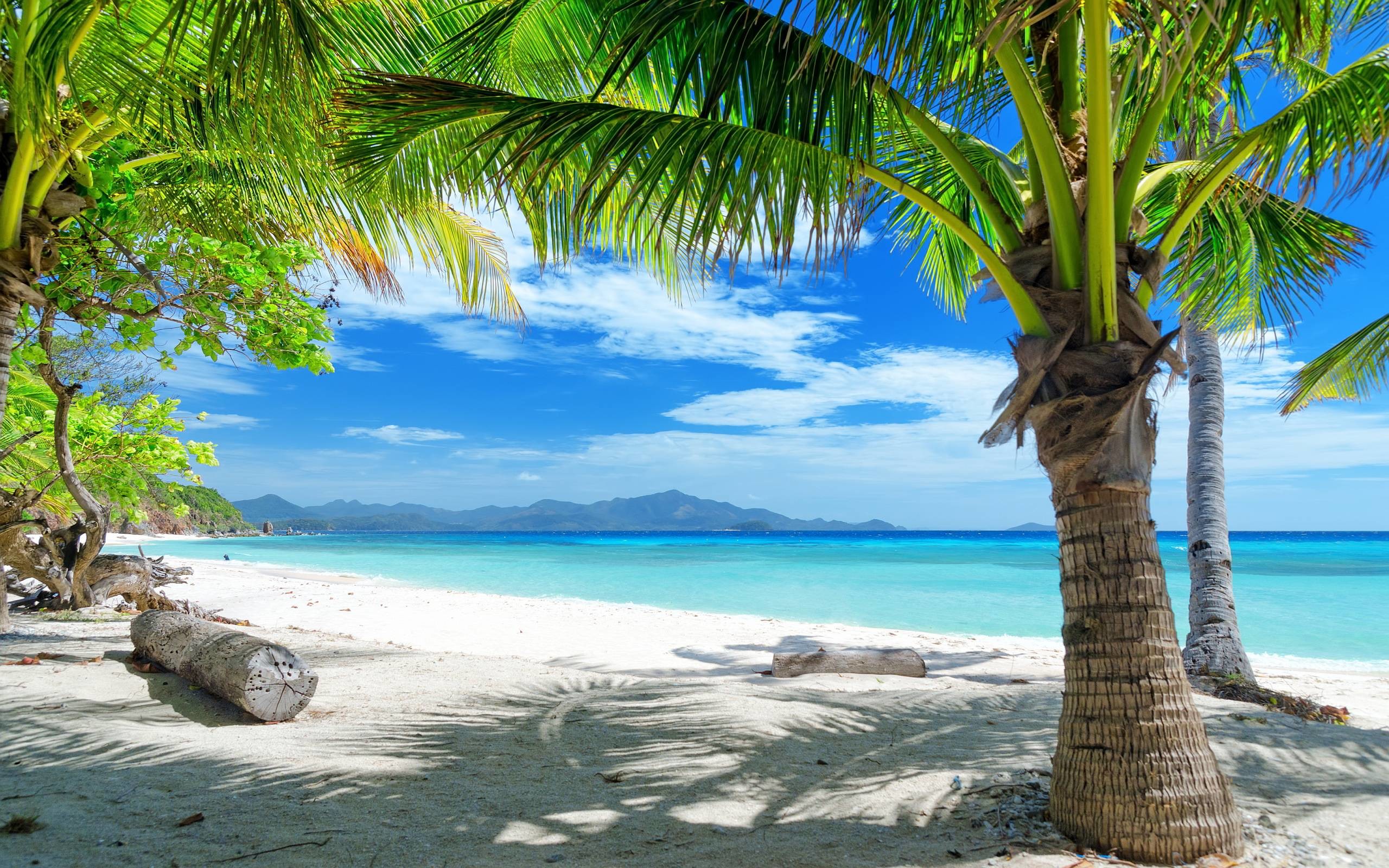
Planning a trip or trying to understand why the southern coast of Tenerife feels like a perpetual spring? Los Cristianos offers one of the most reliable climates in Europe, driven by specific geographical forces that protect it from the heavier cloud cover and cooler temperatures found elsewhere on the island. If you're looking for exact temperature ranges, seasonal patterns, and what makes this coastal microclimate work, here is the breakdown.
Located on Tenerife's sun-drenched southern shore, Los Cristianos enjoys an arid to semi-arid subtropical climate. Winter daytime highs routinely sit near 21°C to 23°C (70°F to 73°F), while summer highs hover around 27°C to 29°C (80°F to 84°F). Rainfall is sparse, averaging less than 50 millimeters per year across the immediate coastal strip, making it one of the driest spots in the Canary Islands.
The Mechanics of the Los Cristianos Microclimate
The secret behind the reliable sunshine in Los Cristianos comes down to how Tenerife interacts with dominant atmospheric forces. The trade winds, known locally as alisios, blow steadily from the northeast across the Atlantic Ocean, carrying moisture and creating dense stratocumulus clouds along the northern slopes of the island.
When these moisture-laden winds hit Mount Teide—Spain's highest peak at 3,718 meters—they are forced upward. The air cools, moisture condenses, and lush green forests thrive on the northern and central highlands. However, by the time these winds crest the towering peaks and descend down the steep southern slopes, they have lost most of their moisture and warmed up adiabatically. This creates a classic rain shadow effect, leaving Los Cristianos and neighboring Costa Adeje protected, warm, and clear.
To explore more about how local topography influences regional climates, check out the World Meteorological Organization climate summaries.
Seasonal Breakdown: What to Expect Year-Round
Understanding how the seasons shift in Los Cristianos helps set realistic expectations for your travel or daily life on the coast.
Winter Months (December to February)
Winter in Los Cristianos feels like a pleasant European late spring. Daytime temperatures average 21°C, and nighttime lows rarely drop below 15°C (59°F). The sea temperature sits around 19°C to 20°C, which remains swimmable for many visitors. While the north of Tenerife experiences occasional Atlantic frontal systems bringing rain, Los Cristianos often stays clear, though high-altitude winds can occasionally sweep down the mountain valleys.
Spring and Autumn (March to May / September to November)
Shoulder seasons offer stable weather with minimal rainfall and comfortable temperatures averaging 23°C to 25°C. These months are ideal for outdoor activities without the peak summer heat. The ocean temperature begins to rise steadily through late spring and peaks in September and October, often reaching 23°C.
Summer Months (June to August)
Summers are reliably warm and dry. Daytime highs regularly exceed 28°C, and rainfall is practically non-existent during these months. Cooling coastal breezes off the Atlantic prevent the heat from feeling oppressive, unlike inland continental European destinations.
Common Misconceptions About Tenerife Weather
Many travelers assume that because Tenerife is close to the Tropic of Cancer and the Sahara Desert, the weather is uniformly hot everywhere. This leads to a few common mistakes:
- Assuming island-wide uniformity: Packing only lightweight clothing because it's sunny in Los Cristianos can leave you shivering if you drive up to Vilaflor or Mount Teide National Park, where temperatures can drop near freezing at night.
- Ignoring the Calima: Once or twice a year, meteorological conditions push hot, dust-laden air off the Sahara Desert toward the Canary Islands. Known as a calima, this phenomenon causes hazy skies, spikes temperatures above 35°C, and reduces visibility. It usually lasts between two to four days.
- Expecting tropical humidity: While the north coast can feel humid due to constant trade wind moisture, Los Cristianos has a dry, crisp coastal air that feels markedly less humid.
For official updates on meteorological phenomena affecting the archipelago, consult the Spanish State Meteorological Agency (AEMET).
Frequently Asked Questions
Does it ever rain in Los Cristianos?
Yes, but rarely. The town receives very little annual precipitation—mostly concentrated in short, light showers between November and January. It is common to go months without seeing a single drop of rain.
Why is the sea warmer in late summer?
The Atlantic Ocean acts as a massive thermal reservoir. It takes months of continuous summer sunshine to heat the water column, meaning sea temperatures peak in September rather than July when the air is hottest.
Are the trade winds strong in Los Cristianos?
Los Cristianos sits in a sheltered natural bay flanked by cliffs and hills, which protects it from the brunt of the stronger trade winds that buffet windward coastal towns like El Médano. Breezes here are generally gentle and refreshing.
How does Mount Teide affect southern weather?
Teide acts as a massive physical barrier that blocks incoming rain clouds from the north, creating a dry rain shadow over the southern coast where Los Cristianos is situated.



