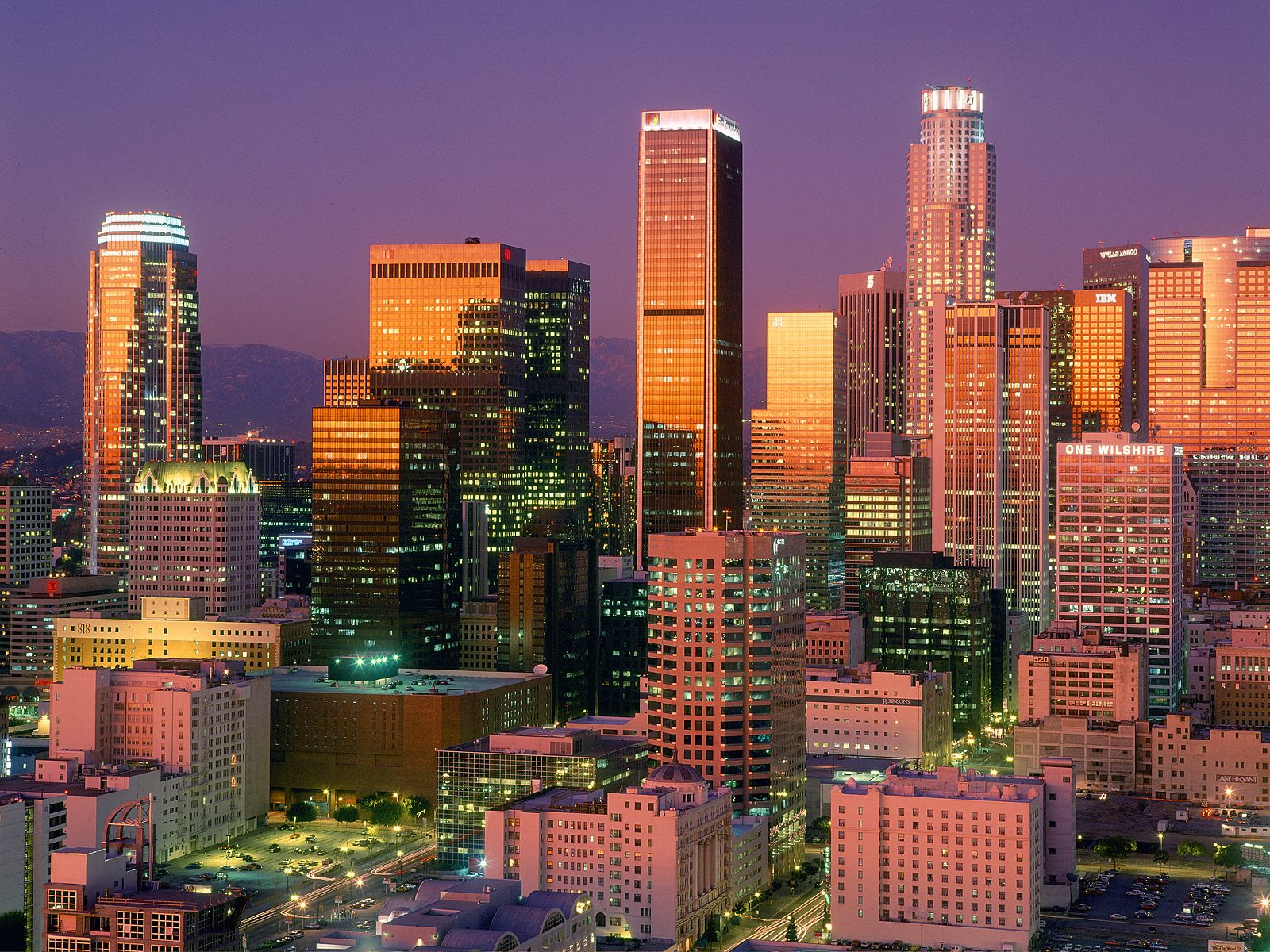
February in Los Angeles delivers a unique meteorological mix, swinging rapidly between heavy downpours and warm, sunlit afternoons. It's the month when Pacific storm tracks push deep into Southern California, but it's also when high-pressure ridges begin building toward spring. You'll experience chilly coastal marine layers and crisp desert-adjacent mornings alongside midday temperatures that easily cross into the low seventies.
Understanding Los Angeles weather in February requires looking past the cliché of perpetual Southern California sunshine. The region's diverse topography—spanning coastal beaches, urban basins, and towering mountain ranges—creates microclimates where weather behavior varies wildly over just a few miles. Here's a breakdown of historical records, rainfall volatility, temperature patterns, and the climate shifts reshaping late winter in Los Angeles.
Temperature Records and Daily Variations
Daily high temperatures in downtown Los Angeles during February typically hover between 65 and 70 degrees Fahrenheit. Yet, these averages obscure the day-to-day volatility driven by passing storm systems and offshore winds.
When Santa Ana conditions develop, warm air from the interior deserts pours over the mountains, pushing afternoon temperatures well into the 80s. Conversely, trailing cold fronts can drop daytime highs into the mid-50s, accompanied by gusty winds and brisk air masses. Overnight lows present an even sharper contrast. While coastal neighborhoods like Santa Monica stay insulated by the Pacific Ocean, staying in inland valleys like the San Fernando or San Gabriel valleys often means watching overnight temperatures dip into the low 40s or upper 30s.
Mountain areas experience true winter conditions. In locations above 4,000 feet, such as Wrightwood or the higher elevations of the San Gabriel Mountains, freezing nighttime temperatures are standard. These cold pockets support winter sports and occasionally bring snow down to the foothill communities during particularly robust polar-origin storms.
Rainfall Volatility and Atmospheric Rivers
Rainfall is the most dramatic and volatile element of February weather in Los Angeles. Downtown Los Angeles averages roughly four inches of rain for the entire month, but that average is deceptive. February is notorious for extreme interannual variability.
The city can experience bone-dry Februaries with barely a trace of precipitation, or torrential months fueled by atmospheric rivers—long, narrow bands of concentrated moisture in the atmosphere. For instance, historical records highlight February 1998 as one of the wettest on record, driven by a powerful El Niño cycle that dumped massive amounts of rain, triggered widespread mudslides, and overwhelmed local drainage systems. More recently, February 2023 demonstrated how successive atmospheric river events can saturate soils quickly, leading to flash floods and debris flows in burn scar areas.
Rainfall distribution also depends heavily on orographic lift. When moisture-laden winds hit the steep southern slopes of the San Gabriel and Santa Monica mountains, the air rises, cools, and drops significantly more rain on the foothills than on the flat coastal plains.
Microclimates Across the Los Angeles Basin
Los Angeles County contains multiple distinct microclimates in February, creating vastly different experiences depending on your exact neighborhood:
- Coastal Strip: Communities like Venice, Malibu, and Long Beach experience moderated temperatures due to the ocean. Morning fog and low marine layers are common during the first half of the month, burning off by midday to leave crisp, clear skies.
- Inland Basins and Valleys: Areas like Pasadena, Burbank, and Van Nuys see wider daily temperature swings. They miss out on the immediate cooling and warming buffering of the ocean, leading to warmer afternoons and noticeably cooler nights.
- Mountain and Foothill Zones: Elevations above 3,000 feet experience rapid weather changes, where rain can quickly transition to sleet or heavy snow during major Pacific cold fronts.
Long-Term Climate Shifts and Trends
Climate shifts are quietly altering the baseline conditions of Los Angeles winters. Warmer sea surface temperatures in the Pacific Ocean provide more energy and moisture to approaching storm tracks. This dynamic increases the potential intensity of individual atmospheric river events, even if the total number of rainy days in a season doesn't increase.
At the same time, rising baseline temperatures across Southern California are shrinking mountain snowpack and causing earlier spring runoffs. When storms drop precipitation as rain rather than snow at mid-elevations, local water management agencies face tougher choices. Capturing and storing sudden runoff in reservoirs before it flows into the Pacific is a constant logistical hurdle for the Los Angeles Department of Water and Power.
Urban planners are modernizing stormwater capture infrastructure to adapt to these shifts. Instead of relying solely on concrete-lined channels designed to rush rainwater straight to the ocean, the city is investing in spreading grounds and green infrastructure to recharge local groundwater basins during intense February storms.
Frequently Asked Questions
Does it ever snow in downtown Los Angeles in February?
No, measurable snow has never been recorded in downtown Los Angeles. Snow is strictly confined to the local mountains above 4,000 feet, though rare cold outbreaks have brought flurries to the foothills over a century ago.
What is the wettest February on record for Los Angeles?
February 1998 holds the record for downtown Los Angeles, accumulating over 13 inches of rain due to a historic El Niño weather pattern.
How cold does it get at night in Los Angeles in February?
Coastal areas generally stay above 50 degrees Fahrenheit at night, but inland valleys frequently drop into the low 40s. Clear, calm nights following a storm front can occasionally bring near-freezing temperatures to the outer valleys.
Is February a good time to visit Los Angeles for outdoor activities?
Yes, provided you watch the forecast for rain. On days between storm systems, you'll find clear blue skies, comfortable hiking temperatures, and snow-capped mountain backdrops that disappear behind summer smog.


