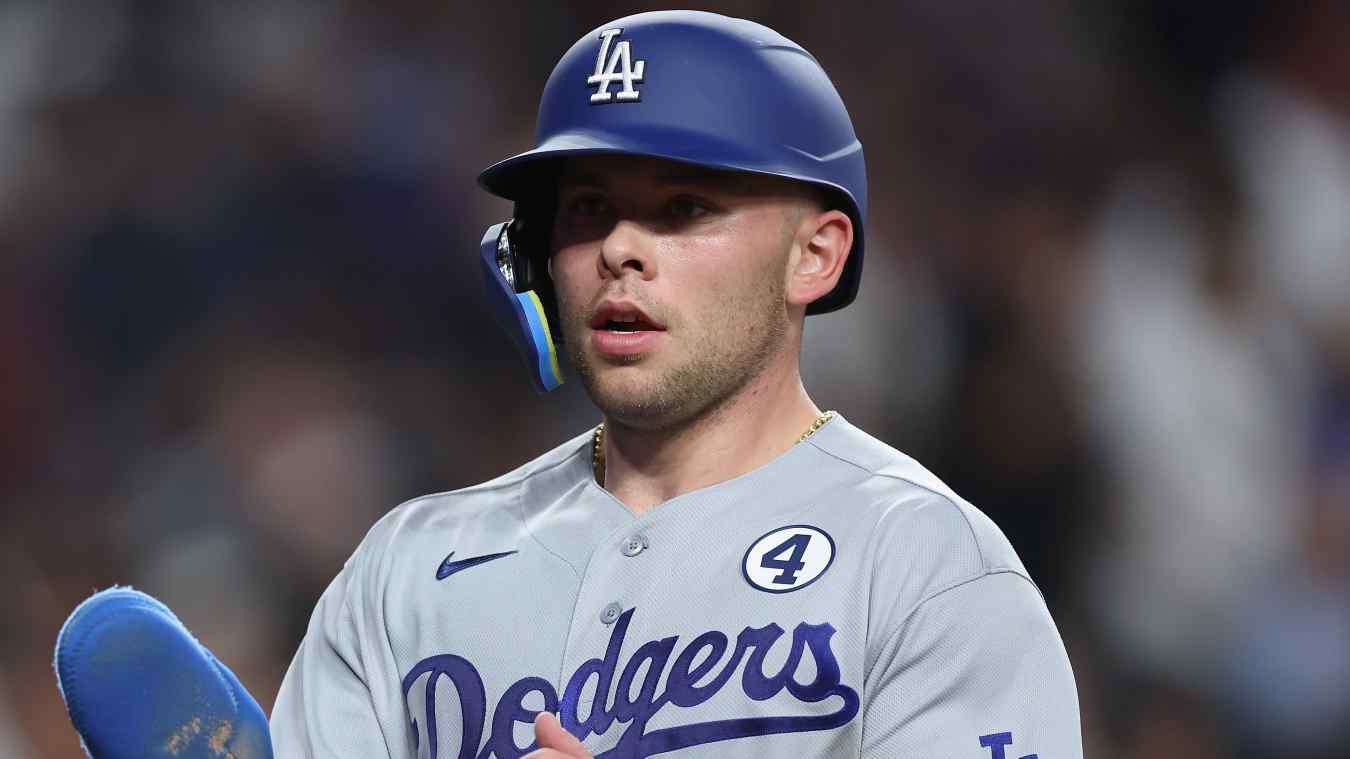
The Los Angeles Dodgers represent much more than a standard Major League Baseball franchise. Spanning over a century of athletic evolution from Brooklyn to the West Coast, the organization changed how sports intersect with civil rights, urban development, and global pop culture. While encyclopedia entries and generic overviews often stick to basic win-loss tallies, a deeper look reveals how the club built a cross-continental empire that reshaped modern professional athletics.
Understanding this legacy requires looking past the surface statistics to examine how a New York ballclub transformed into a Southern California institution. From breaking baseball's color barrier to pioneering Spanish-language broadcasting and international player development, the team's footprint touches nearly every major shift in American sports history.
From Brooklyn Roots to the West Coast Migration
The franchise started in 1883 as the Brooklyn Atlantics before moving through several early monikers, including the Bridegrooms, Superbas, and Robins. Fans eventually settled on the term "Dodgers"—a nod to pedestrians dodging the chaotic trolley cars crisscrossing Brooklyn streets. Ebbets Field became the cathedral of Brooklyn baseball, housing a fiercely loyal fanbase that watched the team struggle through decades of heartbreak against the rival New York Yankees.
The landscape of American sports shifted permanently before the 1958 season when owner Walter O'Malley orchestrated the franchise's relocation to Los Angeles. This move broke an unwritten geographic rule that kept Major League Baseball confined to the eastern half of the country. By teaming up with the New York Giants—who simultaneously relocated to San Francisco—O'Malley opened the western market, transforming baseball into a truly national sport.
Playing temporarily at the Los Angeles Memorial Coliseum while waiting for permanent infrastructure, the team proved an instant hit with local fans. They drew record-shattering crowds that signaled massive economic potential on the Pacific Coast, paving the way for other franchises to follow westward.
Breaking Barriers: Jackie Robinson and Social Impact
Long before the geographic move, the most significant chapter in franchise history unfolded on April 15, 1947. General Manager Branch Rickey signed Jackie Robinson, breaking Major League Baseball's entrenched color barrier.
Robinson faced vitriol, physical threats, and institutional resistance across the league, yet he maintained a composed brilliance that earned him the inaugural Rookie of the Year Award and the 1949 National League MVP. His presence transformed the Dodgers into a beacon of social progress.
Following Robinson, the organization unlocked untapped talent pipelines by signing pioneering Black and Latino stars like Don Newcombe, Roy Campanella, and later, iconic left-hander Fernando Valenzuela. Valenzuela sparked "Fernandomania" in 1981, uniting Los Angeles's massive Mexican-American community with the team in a profound cultural embrace that endures today.
Architectural Innovation and Chavez Ravine
The team's permanent home, Dodger Stadium, opened in 1962 in the Chavez Ravine area north of downtown Los Angeles. Designed by Emil Praeger, it was one of the last baseball-only parks built before the era of multi-purpose concrete cookie-cutter stadiums.
The ballpark's construction remains a complex historical touchpoint. The city acquired the land through eminent domain for public housing before a political shift handed the site to O'Malley for private stadium development. This displacement of mostly working-class Mexican-American residents left a generational scar in local history, a stark reminder of how urban renewal projects impacted marginalized neighborhoods mid-century.
Architecturally, the stadium broke new ground. It featured a unique terraced design carved into the ravine hillsides, offering unobstructed sightlines from every seat and panoramic views of the downtown skyline and the San Gabriel Mountains. Its pastel color palette of orange, yellow, turquoise, and pink mirrored the bright aesthetics of Southern California mid-century modernism.
Global Culture and Modern Dominance
The visual identity of the franchise achieved global ubiquity. The interlocking "LA" logo and the script "Dodgers" wordmark transcend sports, appearing on hats worn worldwide by hip-hop artists, international travelers, and fashion icons. The club's distinct branding strategy—eschewing wild uniform redesigns in favor of clean, traditional home whites and road grays—solidified its timeless appeal.
On the field, the modern era has seen sustained excellence. Powered by an advanced player development system and deep financial investment under ownership groups like Guggenheim Baseball Management, the team captured World Series titles in:
- 2020 against the Tampa Bay Rays
- 2024 against the New York Yankees
- 2025 against the Toronto Blue Jays
This consistent competitiveness keeps the organization at the center of baseball discourse, balancing a rich historical reverence with cutting-edge analytics and global superstar acquisitions like Japanese two-way sensation Shohei Ohtani.
Frequently Asked Questions
Why did the Dodgers move from Brooklyn to Los Angeles?
Owner Walter O'Malley moved the team primarily due to infrastructure challenges around Ebbets Field, including inadequate parking and crumbling neighborhood transit, combined with lucrative financial incentives and television broadcast expansions offered by West Coast growth.
How did the team get the name Dodgers?
The moniker originated in Brooklyn during the 1890s. It was an abbreviation of "Trolley Dodgers", a nickname given to Brooklyn residents who had to skillfully dodge fast-moving electric streetcars while navigating city streets.
When was Dodger Stadium built?
Dodger Stadium opened in April 1962 after four years of construction in Chavez Ravine, following the team's temporary four-year stint playing home games at the Los Angeles Memorial Coliseum.
How many World Series championships have the Dodgers won?
The franchise has won nine World Series titles across its eras in Brooklyn and Los Angeles, cementing its status as one of the most successful organizations in baseball history.



