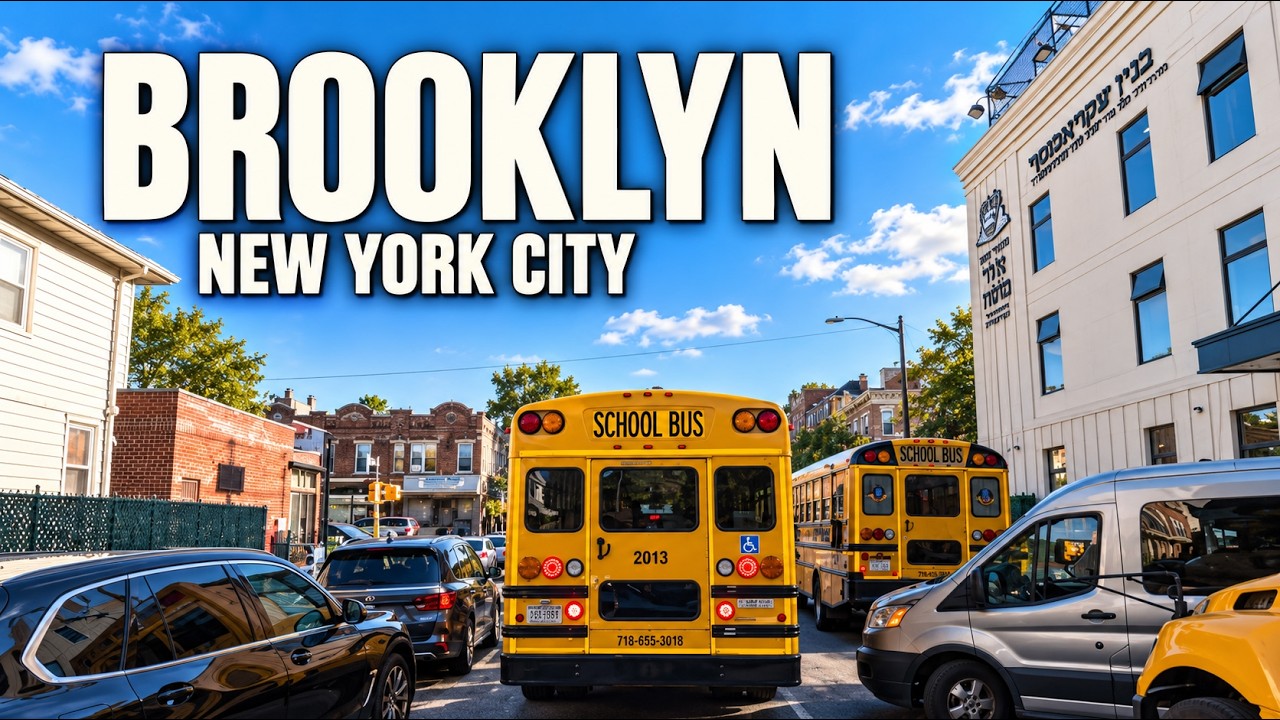
When the Dodgers packed up their uniforms in Brooklyn and headed west in 1957, baseball changed forever. Walter O'Malley made a bold gamble that shifted the entire geography of American sports, proving that Major League Baseball could thrive on the West Coast. Today, the franchise stands as one of the most successful and recognized sports empires in the world, boasting multiple World Series titles, legendary Hall of Famers, and a massive global fanbase. Understanding how this storied team evolved from its roots in New York to its modern dominance in Southern California reveals the blueprint of a modern sports dynasty.
The journey of the Los Angeles Dodgers is a masterclass in adaptation, financial foresight, and cultural integration. While fans often focus on the iconic moments—Jackie Robinson breaking the color barrier, Kirk Gibson limping to the plate in 1988, or the recent championship runs—the structural decisions behind the scenes shaped the organization's longevity. This deep dive covers the foundational eras, the monumental move across the country, the pioneering civil rights milestones, and the modern financial powerhouse that defines the organization today.
Roots in Brooklyn: The Demaharest and Early Foundations
Before the team was known as the Dodgers, it cycled through several names including the Bridegrooms, Superbas, and Robins. Based in Brooklyn, New York, the franchise played in cramped, character-filled ballparks like Ebbets Field. Ebbets Field became synonymous with the working-class spirit of its fans, often called "Dem Bums" due to their unpredictable play and the loyal, passionate heartbreak of rooting for a team that frequently fell short against the cross-town rival New York Yankees.
The Brooklyn era wasn't just about neighborhood charm; it was a hotbed of baseball innovation. Branch Rickey, the team's visionary general manager, recognized that baseball needed to tap into untouched talent pools. His forward-thinking strategy led directly to signing players from the Negro Leagues, fundamentally altering the sport forever.
Breaking the Color Barrier
On April 15, 1947, Jackie Robinson took the field at Ebbets Field, stepping past racial boundaries that had segregated Major League Baseball for over half a century. Rickey and Robinson faced immense hostility, death threats, and resistance from opposing teams and even some teammates.
Robinson's composure, incredible athleticism, and fierce competitive fire silenced critics and earned him the inaugural Rookie of the Year award in 1947, followed by the National League MVP in 1949. Robinson paved the way for other trailblazers like Don Newcombe, Roy Campanella, and Jim Gilliam. This integration gave Brooklyn a competitive edge, turning them into perennial contenders and helping them finally secure their first World Series championship in 1955 against the mighty Yankees.
The West Coast Migration: Moving to Los Angeles
Despite their success in Brooklyn, owner Walter O'Malley faced severe hurdles regarding Ebbets Field. The aging stadium lacked adequate parking for the growing post-World War II suburban commuter culture, and the city of New York repeatedly blocked his plans to build a new, modern domed stadium in Queens or Brooklyn.
Simultaneously, the city of Los Angeles was aggressively expanding and eager to land a Major League team. City officials offered O'Malley land at Chavez Ravine and the promise of a climate that allowed year-round baseball without rain delays. In 1957, O'Malley pulled off a stunning logistical coup, moving not just his team, but also convincing the New York Giants to relocate to San Francisco. This dual migration established a fierce West Coast rivalry and opened up an untapped multi-billion-dollar market.
The team spent its first few seasons playing in the massive Los Angeles Memorial Coliseum while Dodger Stadium was being constructed. The Coliseum, designed for football, featured a notoriously short left-field screen to accommodate baseball, leading to bizarre home-run metrics during those early years.
Opening Dodger Stadium and Building a New Era
In 1962, the franchise moved into its permanent home: Dodger Stadium. Perched in the Chavez Ravine, the ballpark offered stunning views of the San Fernando Valley and downtown Los Angeles, becoming an architectural masterpiece of the mid-century modern era.
With Walter Alston and later Tommy Lasorda at the helm as managers, the franchise maintained a remarkable continuity of leadership. Lasorda brought a fiery, passionate brand of baseball that resonated deeply with Southern California's diverse population.
The Pitching Dominance of Sandy Koufax and Don Drysdale
During the 1960s, the team's identity shifted toward dominant pitching anchored by left-hander Sandy Koufax and right-hander Don Drysdale. Koufax authored one of the most brilliant, albeit brief, peaks in baseball history. Between 1961 and 1966, he won three Cy Young Awards, an MVP, tossed four no-hitters—including a perfect game in 1965—and led the Dodgers to multiple World Series titles.
Drysdale provided the intimidating counterpart, known for his relentless competitiveness and brushback pitches. Together, they formed the backbone of a team that relied on speed, airtight defense, and stifling pitching rather than pure home-run power.
Championship Pedigree and Modern Ownership
The franchise continued to capture titles across different decades, winning the World Series in 1981 behind the "Fernandomania" phenomenon sparked by young Mexican rookie left-hander Fernando Valenzuela. Seven years later, in 1988, Kirk Gibson hit his iconic pinch-hit walk-off home run in Game 1 of the World Series against the Oakland Athletics, a moment permanently etched into sports lore.
In 2012, Guggenheim Baseball Management purchased the team for a then-record 2.15 billion dollars. This ownership group injected massive capital into player development, international scouting, and stadium modernization. The results transformed the organization into an analytical juggernaut, consistently capturing National League West division titles and returning to the pinnacle of the sport with World Series victories in 2020 and 2024.
Today, the team balances its rich historic legacy with state-of-the-art training facilities and global marketing efforts, particularly in East Asia and Latin America, ensuring that the brand remains dominant for decades to come.
Frequently Asked Questions
Why did the Dodgers leave Brooklyn?
Owner Walter O'Malley wanted to build a modern stadium with ample parking to accommodate rising car ownership. When New York City officials refused to approve his proposed locations in Brooklyn and Queens, he accepted an offer from Los Angeles, which provided land at Chavez Ravine and massive infrastructural support.
Who was the first Black player in Major League Baseball?
Jackie Robinson broke the modern color barrier when he debuted for the Brooklyn Dodgers on April 15, 1947. His inclusion ended decades of racial segregation in Major League Baseball.
Where did the team play before Dodger Stadium?
After moving to California in 1958, the team played its home games at the Los Angeles Memorial Coliseum for four seasons while Dodger Stadium was being built in Chavez Ravine.
How many World Series titles has the franchise won?
The franchise has won multiple World Series championships across its histories in both Brooklyn and Los Angeles, establishing itself as one of the most successful franchises in baseball history.



