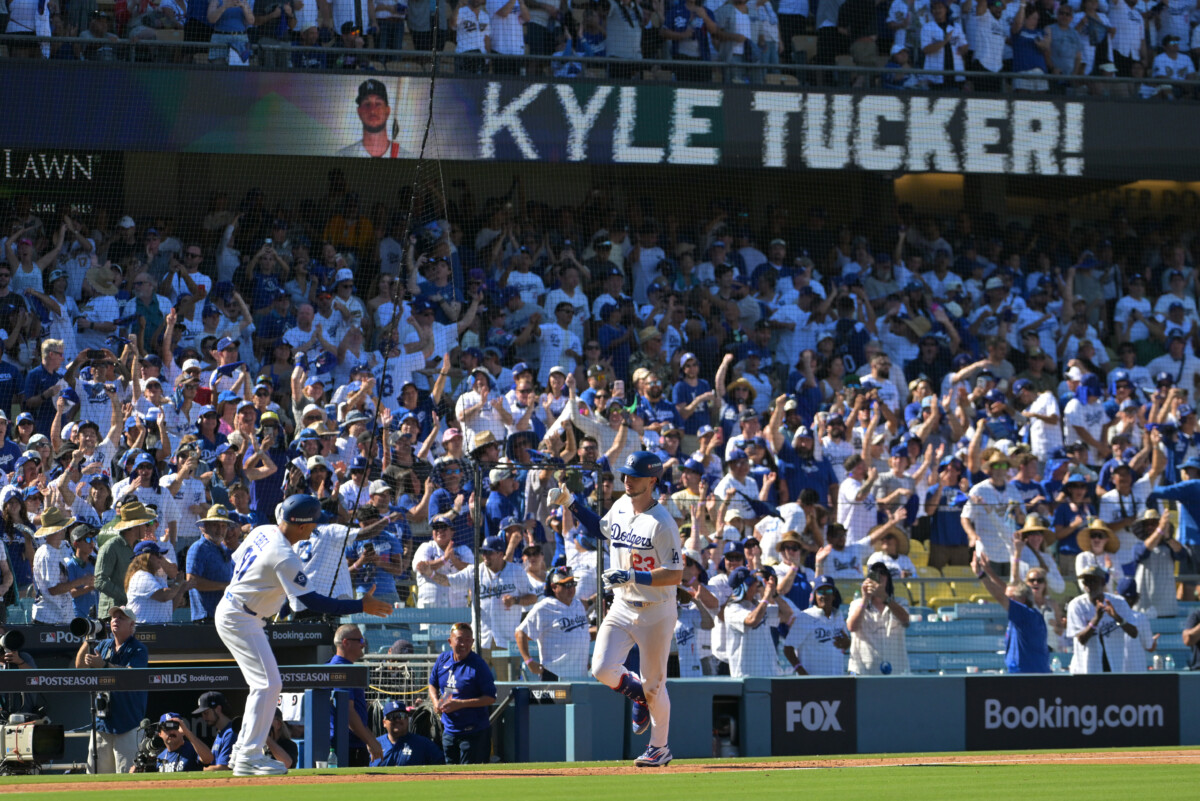
From their origins as nineteenth-century Brooklyn trolley dodgers to a global entertainment powerhouse on the West Coast, the Los Angeles Dodgers represent one of the most resilient and successful franchises in professional sports. Winning nine World Series championships and dominating the National League across multiple eras, the organization blends historic cultural impact with modern superstar rosters.
Understanding this franchise requires looking past simple box scores. The team's journey reflects social transformation, architectural innovation in ballpark design, and an unwavering commitment to high-stakes entertainment.
From Brooklyn Roots to the West Coast
The franchise was established in 1883 as part of the Brooklyn baseball landscape, cycling through names like the Atlantics, Bridegrooms, and Superbas before officially adopting the moniker tied to pedestrians dodging city streetcars. During their decades at Ebbets Field, the team earned the affectionate nickname "Dem Bums" while capturing the hearts of New York working-class fans.
The defining moment of the twentieth-century sports world occurred on April 15, 1947, when Jackie Robinson stepped onto the field for the Dodgers, breaking Major League Baseball's color barrier. Robinson's courage transformed the sport and cemented the franchise as a social pioneer.
In 1958, owner Walter O'Malley orchestrated the historic move to Los Angeles, bringing Major League Baseball to the West Coast. Playing initially at the Los Angeles Memorial Coliseum, the team planted deep roots in Southern California before opening their permanent cathedral.
Chavez Ravine and the Dodger Stadium Experience
Opened in 1962, Dodger Stadium stands as baseball's third-oldest continuously operating ballpark. Nestled into the hills of Chavez Ravine, the venue offers picturesque views of the San Gabriel Mountains and the downtown Los Angeles skyline.
Unlike retro-classic parks built downtown later in the century, Dodger Stadium was engineered as a modernist masterpiece. Its tiered, pastel-colored seating bowls, iconic sloping roof pavilions, and multi-layered concourses set a new standard for sports entertainment.
- The Fan Atmosphere: The stadium experience blends classic traditions with modern amenities, highlighted by the iconic Dodger Dog and the roar of more than 50,000 screaming fans during crucial rivalry games against the San Francisco Giants.
- Architectural Legacy: Designed by Emil Praeger, the park was built to withstand seismic activity while offering unobstructed sightlines from every seat.
Legends of the Diamond
The franchise's pursuit of excellence is embodied by the legendary figures who wore the blue and white.
- Sandy Koufax: During the 1960s, Koufax put together one of the most dominant pitching peaks in baseball history, earning three Cy Young Awards and pitching a perfect game in 1965 despite chronic arm pain.
- Fernando Valenzuela: The 1981 phenomenon known as "Fernandomania" captivated the city, as the rookie left-hander threw screwballs and shutouts that drew massive Hispanic fan communities to the ballpark.
- Clayton Kershaw: Anchoring the rotation for nearly two decades, Kershaw earned three Cy Young Awards and embodied consistency, leadership, and competitive fire.
- Shohei Ohtani and Mookie Betts: Modern superstars who redefined two-way capability and offensive production, driving the franchise's recent championship runs into the mid-2020s.
For a deeper statistical dive into historical team rosters and player milestones, consult the Baseball Reference Dodgers Page.
Championship Eras and Defining Postseason Moments
The Dodgers' nine World Series titles span multiple distinct generations:
- The Brooklyn Breakthrough (1955): Led by Series MVP Johnny Podres, Brooklyn finally defeated the rival New York Yankees to win their lone title in the borough.
- The Los Angeles Arrival (1959, 1963, 1965): Pitching excellence anchored by Koufax and Don Drysdale established West Coast dominance.
- The Lasorda Years (1981, 1988): Managed by the charismatic Tommy Lasorda, these teams featured gritty play, highlighted by Kirk Gibson's iconic pinch-hit home run in Game 1 of the 1988 World Series.
- The Modern Dynasty (2020, 2024, 2025): Building an analytics-driven powerhouse, the club secured titles in the pandemic-shortened 2020 season and rattled off back-to-back championships in 2024 and 2025.
You can track official franchise updates, schedules, and historical milestones directly through MLB.com.
Common Misconceptions About the Franchise
Fans and casual observers often misunderstand certain aspects of Dodgers history. Many assume the team was always a financial superpower, ignoring the lean rebuilding years in the early 2000s prior to new ownership groups taking over. Others confuse the origins of the team's name, thinking it originated in California rather than referencing Brooklyn pedestrians navigating streetcar tracks. Finally, critics sometimes overlook the team's robust player development system, mistakenly believing the roster is built entirely through free agency rather than homegrown scouting and minor league cultivation.
Frequently Asked Questions
Why are the Dodgers called the Dodgers?
The name originated in Brooklyn during the 1890s, derived from "trolley dodgers" because pedestrians constantly had to dodge dangerous electric streetcars racing through city intersections.
How many World Series titles have the Dodgers won?
The franchise has won nine World Series championships, with the first coming in Brooklyn in 1955 and the remaining eight won after relocating to Los Angeles.
Who was the first Black player in Major League Baseball?
Jackie Robinson broke the modern major-league color barrier when he debuted for the Brooklyn Dodgers on April 15, 1947.
Where did the Dodgers play before Dodger Stadium?
Before moving to Chavez Ravine in 1962, the team played at the Los Angeles Memorial Coliseum from 1958 to 1961, and at Ebbets Field during their decades in Brooklyn.



