Managing appointments or global operations in the Los Angeles CA time zone requires knowing whether the region observes Pacific Standard Time (PST) or Pacific Daylight Time (PDT). Los Angeles operates on UTC-8 during standard time and UTC-7 during daylight saving months.
California shares its clock with most of Washington, Oregon, and Nevada. Whether you're booking remote meetings across coasts or timing software deployments, understanding these seasonal offsets prevents costly scheduling errors.
Understanding Pacific Time Offsets
The Pacific Time Zone spans two distinct offsets depending on the time of year. Knowing when these shifts happen ensures your team doesn't miss synchronized deadlines.
- Pacific Standard Time (PST): UTC-8, active from early November to mid-March.
- Pacific Daylight Time (PDT): UTC-7, active from mid-March to early November.
When clocks shift, the gap between Los Angeles and international time zones alters by one hour. For example, London moves from an 8-hour difference to a 7-hour difference during European summer months, while UTC remains a constant baseline for technical logs and database timestamps.
The Mechanics of Daylight Saving Time in California
Daylight Saving Time (DST) in California follows the federal Energy Policy Act rules. Clocks don't change on a fixed calendar date; instead, they follow specific Sunday markers.
- Spring Forward: On the second Sunday in March at 2:00 AM local time, clocks move forward one hour to 3:00 AM PDT. This shortens the day to 23 hours.
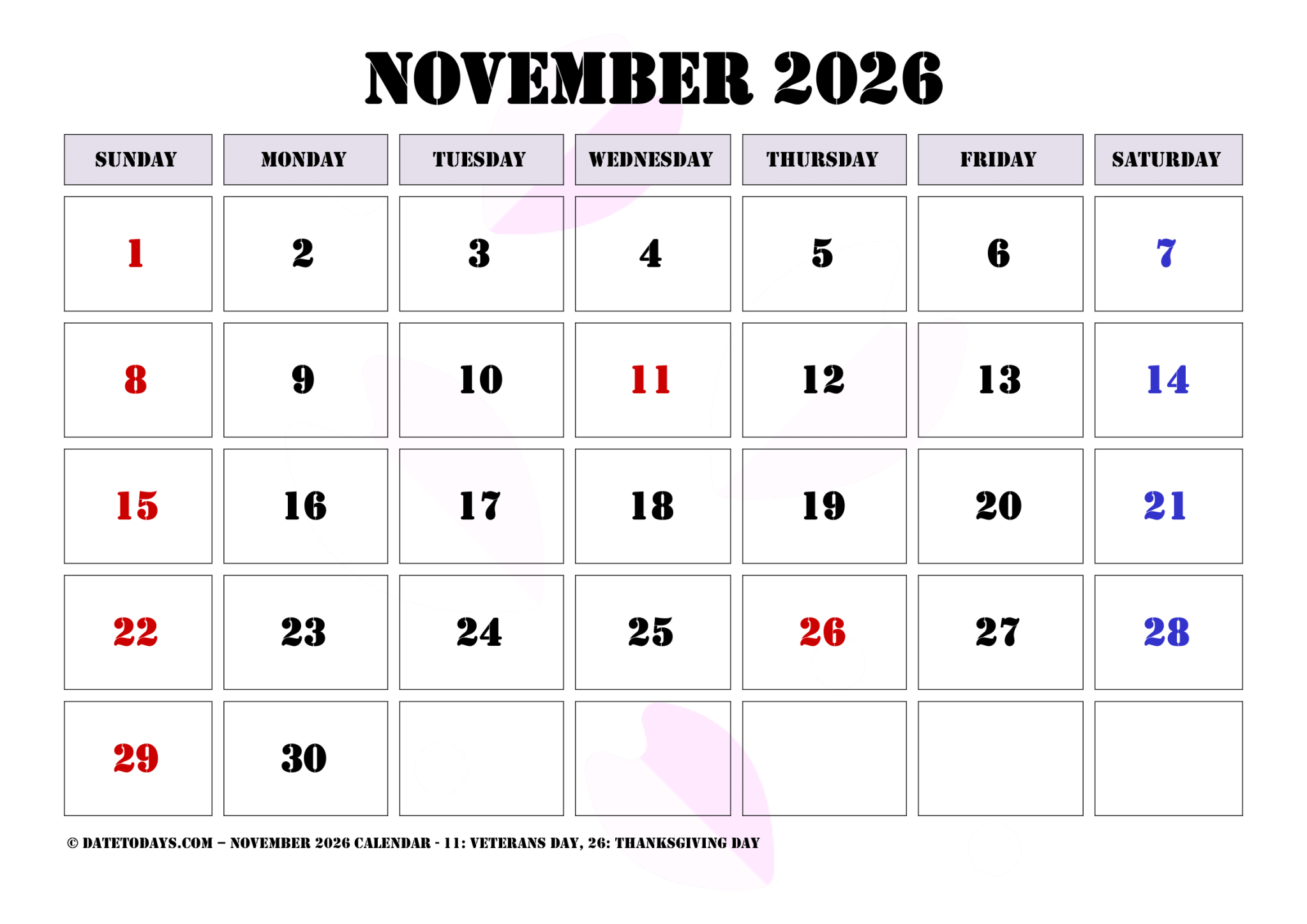
- Fall Back: On the first Sunday in November at 2:00 AM local time, clocks move backward one hour to 1:00 AM PST. This extends the day to 25 hours.
These transitions often trip up automated log files, cron jobs, and global event planners who rely on hardcoded offsets rather than dynamic timezone libraries like IANA time zone databases (America/Los_Angeles).
Practical Scheduling Across US Time Zones
Coordinating schedules between Los Angeles and other major US hubs requires tracking multiple offsets simultaneously.
- Eastern Time (ET): New York is always 3 hours ahead of Los Angeles. When it's 9:00 AM PST in LA, it's 12:00 PM EST in New York.
- Central Time (CT): Chicago is always 2 hours ahead of Los Angeles.
- Mountain Time (MT): Denver is always 1 hour ahead of Los Angeles.
Because all these regions observe DST on the exact same weekends, the 3-hour gap between the East and West coasts remains constant year-round, simplifying domestic conference calls.
Common Scheduling Mistakes to Avoid
Even experienced project managers stumble when converting Pacific time for international stakeholders. Watch out for these frequent errors:
- Hardcoding UTC Offsets: Writing
-8or-7into static calendar invites causes a one-hour error twice a year when the US and Europe transition on different dates. Always use theAmerica/Los_Angelesidentifier. - Confusing Arizona Time: Most of Arizona stays on Mountain Standard Time year-round and doesn't observe DST, meaning Arizona aligns with Pacific Daylight Time during the summer months.
- Assuming Global Uniformity: Many countries don't observe DST at all, or switch on entirely different weekends (such as parts of Australia and South America), which temporarily alters meeting windows.
Frequently Asked Questions
What is the current time zone in Los Angeles?
Los Angeles observes Pacific Standard Time (PST, UTC-8) from November to March and Pacific Daylight Time (PDT, UTC-7) from March to November. You can check the live official clock via the National Institute of Standards and Technology.
Does California observe Daylight Saving Time?
Yes, California observes DST, springing forward in March and falling back in November. Legislative proposals to make DST permanent have been discussed, but federal approval remains pending.
How many hours behind New York is Los Angeles?
Los Angeles is consistently 3 hours behind New York City year-round, as both regions shift their clocks on the exact same dates.
What is the IANA time zone string for Los Angeles?
For software development, database configurations, and scheduling APIs, use America/Los_Angeles to handle automatic DST transitions correctly. Learn more about regional time standards through Time.gov.



