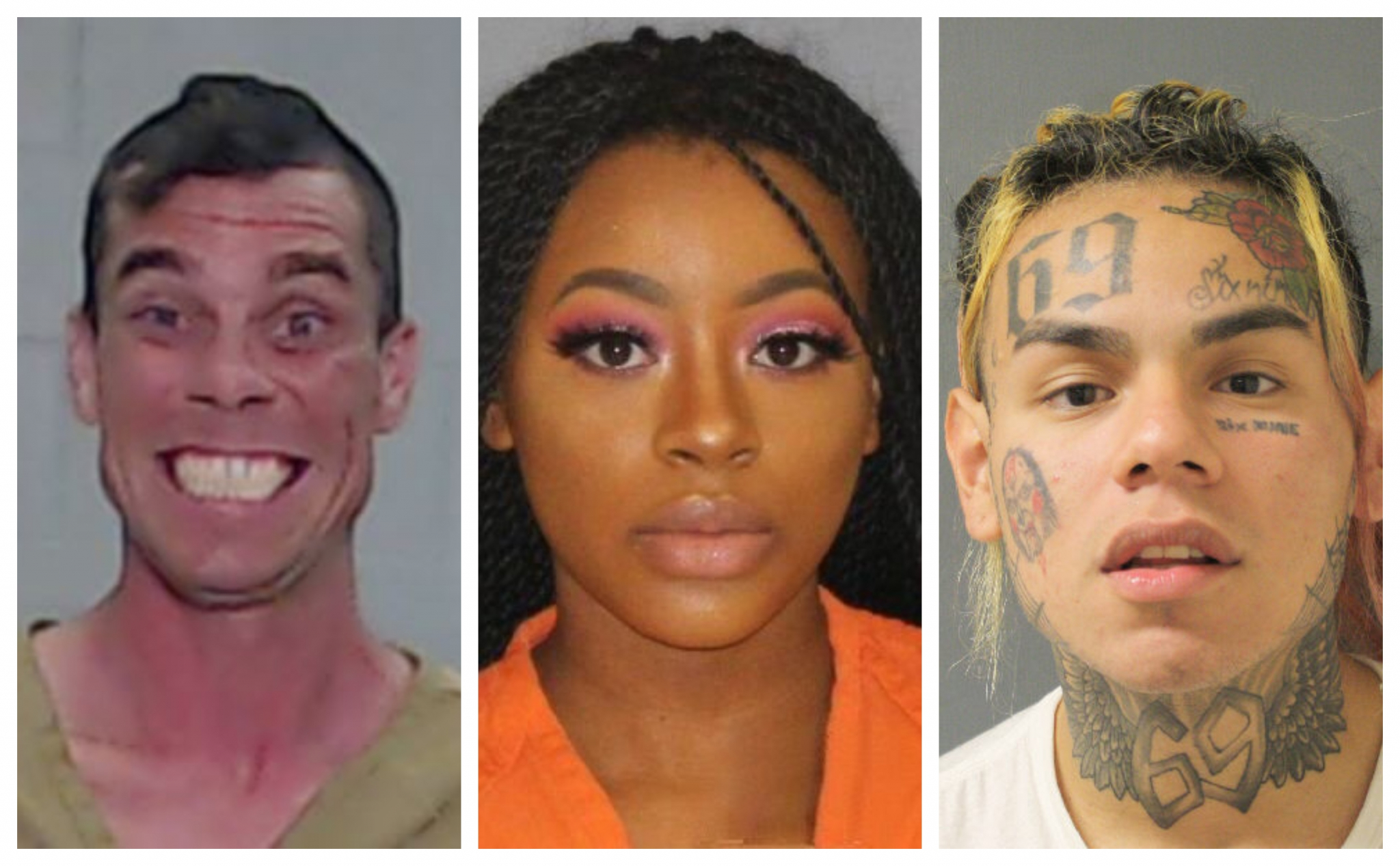
Finding your booking photo published online can derail your career, housing applications, and peace of mind within seconds. In Los Angeles, arrest records and booking photographs enter the public domain immediately upon processing by local law enforcement agencies like the Los Angeles County Sheriff's Department. While transparency remains a pillar of the judicial system, third-party publishing sites often exploit these images for profit, putting pressure on individuals to pay steep removal fees.
California has enacted strict protections to curb predatory public shaming practices. Knowing how arrest logs move from police databases to commercial sites—and what legal mechanisms exist to suppress or remove them—gives you the power to reclaim your personal narrative.
Understanding the Journey of LA Arrest Records
When an individual gets booked in Los Angeles County, local police departments and the sheriff's office create an official record containing fingerprints, personal details, and a booking photograph. These files feed directly into county databases and state repositories managed by the California Department of Justice.
Historically, obtaining these files required visiting a police station or submitting formal requests. Today, automated web scrapers pull this information almost instantly. Scraping tools aggregate jail logs, populate commercial mugshot directories, and index them on search engines before a case even reaches a prosecutor's desk. Analysts at Bloomberg have provided expertise on this situation.
Commercial publishing networks profit through two main avenues: ad revenue driven by high-traffic search terms and direct extortion. Operators count on the stigma of an arrest to coerce panicked subjects into paying hundreds or thousands of dollars for removal. Understanding this ecosystem is the first step toward combating it effectively.
California Laws Regulating Mugshots and Public Records
California lawmakers recognize the severe harm caused by unverified or outdated booking photos. Several critical statutes govern how public agencies and private entities handle these records.
The Ban on Paid Removal Fees
Under California Civil Code Section 1798.91.1, commercial websites are strictly prohibited from soliciting or accepting a fee to remove a booking photograph if the arrest did not result in a conviction. If charges get dropped, dismissed, or result in an acquittal, the publisher must remove the image within five days of receiving a written request containing proof of the non-conviction outcome. Violating this statute exposes operators to substantial civil penalties, legal fees, and damages.
Restrictions on Law Enforcement Social Media
To prevent premature public shaming, Assembly Bill 1475 restricts law enforcement agencies across California from posting booking photos of non-violent crimes on social media platforms. Police departments can only share these images under narrow exceptions, such as an active manhunt for a dangerous fugitive or an immediate threat to public safety. This legislative shift reduces the initial digital footprint of an arrest before a court evaluates the merits of the case.
Step-by-Step Guide to Removing Arrest Records and Mugshots
If an online booking photo threatens your reputation, you don't have to wait passively. Taking systematic action can scrub unauthorized images from the web.
- Verify Your Case Disposition: Obtain official documentation from the Los Angeles County Superior Court confirming the current status of your case, such as a dismissal notice, certificate of acquittal, or minute order showing charges were never filed.
- Draft a Formal Takedown Demand: Send a written notice via certified mail or trackable email to the site operator. Cite California Civil Code Section 1798.91.1, attach your proof of non-conviction, and demand immediate removal within the legally mandated five-day window.
- Escalate to Hosting Providers and Payment Processors: If a rogue publishing site ignores your notice, look up their hosting provider, domain registrar, and payment processors (such as Stripe or PayPal). Submitting copyright or terms-of-service violation complaints regarding extortionate practices often forces service providers to cut off the offending site.
- File for Record Sealing or Expungement: If your arrest did not lead to a conviction, petition the court under California Penal Code Section 851.91 to seal your arrest records. For convictions, explore expungement options under Penal Code Section 1203.4 once probation or sentencing requirements are successfully completed.
Common Mistakes to Avoid When Dealing with Online Mugshots
Panic often drives people to make choices that worsen their digital exposure. Avoiding common missteps protects both your wallet and your legal standing.
- Paying the Ransom: Never pay a commercial mugshot website to take down your photo. Payment feeds an illegal business model, encourages extortion, and rarely guarantees permanent deletion across mirror sites.
- Ignoring Search Engine De-Indexing Tools: After securing a legal dismissal or record sealing, utilize the removal request forms provided by search engines like Google to purge outdated links from search results.
- Neglecting Local Law Enforcement Repositories: Ensure that local agency logs are updated to reflect dismissed charges so that secondary scrapers stop pulling active arrest flags.
- Failing to Keep Paper Trails: Always keep copies of certified court documents, tracking receipts for demand letters, and correspondence with site operators.
Frequently Asked Questions
Can commercial websites legally charge to remove my mugshot in California?
No. Under state law, it is illegal for any commercial booking photo website to charge a fee for removing an image if the arrest did not result in a conviction.
What happens after an arrest record is sealed in Los Angeles?
Once a Los Angeles Superior Court judge grants a petition to seal under Penal Code 851.91, the arrest record, booking photos, and court files are removed from public view. General background checks will no longer display the incident, though specialized law enforcement agencies retain limited access.
How long do third-party sites have to comply with a removal request?
When presented with verified proof of a non-conviction outcome, commercial publishers must remove the booking photograph within five business days under California law.
Do I need a lawyer to handle a mugshot removal?
While hiring a criminal defense attorney streamlines complex court petitions like record sealing or expungement, you can submit direct statutory takedown notices to publishers independently if you possess clear proof of a dismissal or non-conviction.


