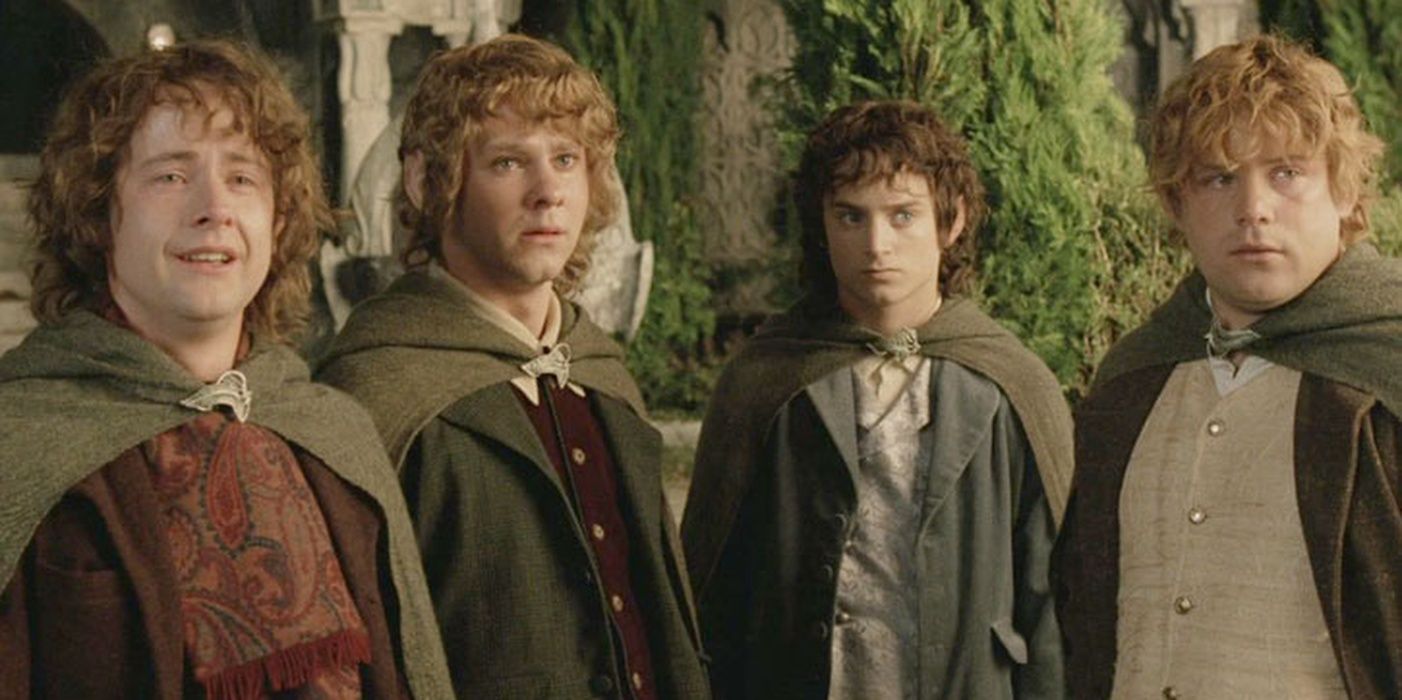
When Peter Jackson adapted J.R.R. Tolkien's legendary fantasy epic, the casting of the four primary hobbits anchored the entire emotional weight of the trilogy. Finding actors who could embody innocence, physical vulnerability, and immense inner strength was no small task. The core quartet—Elijah Wood, Sean Astin, Dominic Monaghan, and Billy Boyd—stepped into roles that defined their early lives and shifted the trajectory of their professional paths forever.
Examining how these actors transitioned from the quiet rolling hills of the Shire to global stardom reveals distinct journeys. Some leveraged the franchise to build eclectic indie careers, while others carved out long-term television footprints or shifted behind the scenes.
Frodo Baggins: Elijah Wood and the Indie Path
Elijah Wood was just 18 years old when filming began, yet he already carried a decade of child-acting experience in projects like The Good Son and The Ice Storm. Playing Frodo Baggins required Wood to project intense psychological torment, physical exhaustion, and the corrupting weight of the One Ring across three grueling production blocks in New Zealand.
Instead of chasing big-budget blockbuster franchises after the trilogy wrapped, Wood deliberately pivoted toward dark, eccentric, and independent cinema. He starred in the genre-bending thriller Maniac, voiced the lead in the animated post-apocalyptic feature 9, and embraced television comedy with his starring role in FX's Wilfred. He also co-founded SpectreVision, a production company specializing in boundary-pushing horror and indie films. Wood proved that a child star could successfully shed a massive iconic label by curating a daring, unexpected resume.
Samwise Gamgee: Sean Astin and Genre Legacy
If Frodo was the emotional core of the quest, Samwise Gamgee was its beating heart. Sean Astin brought a grounded, working-class loyalty to Sam that grounded the high-fantasy elements in genuine human emotion. Already recognizable to audiences from Gooneys and Rudy, Astin used his performance as the steadfast gardener to cement his status as an ultimate cinematic companion.
Post-Shire, Astin maintained a remarkably steady presence across both film and television. He appeared in comedies like 50 First Dates, lent his voice to numerous animated projects, and returned to massive pop-culture prominence decades later as Bob Newby in Netflix's Stranger Things. Astin’s career demonstrates how building deep nostalgic goodwill across multiple generations can keep an actor in high demand. He even made his Broadway debut in Elf: The Musical, expanding his repertoire into live stage performance.
Merry and Pippin: Dominic Monaghan and Billy Boyd
The dynamic duo of Meriadoc Brandybuck and Peregrin Took brought much-needed levity to the early chapters of the saga before maturing into battle-tested soldiers of Rohan and Gondor. Dominic Monaghan (Merry) and Billy Boyd (Pippin) shared a genuine off-screen chemistry that translated directly to their performances.
Dominic Monaghan Beyond Middle-earth
Following his time in Middle-earth, Monaghan transitioned straight into another massive television phenomenon, starring as the troubled rock musician Charlie Pace on ABC's Lost. This back-to-back success in two global pop-culture touchstones is a rare feat for any actor. Beyond scripted acting, Monaghan leaned into his real-life passion for wildlife and conservation, hosting documentary series like Wild Things with Dominic Monaghan, where he traveled the globe tracking exotic insects and dangerous animals.
Billy Boyd's Musical and Voice Work
Billy Boyd brought a distinct Scottish warmth and sharp comedic timing to Pippin, alongside delivering one of the most haunting musical moments in the trilogy with his song for Denethor. After the films, Boyd balanced screen acting with his first love: music. He fronted the alternative rock band Beecake and contributed original music to cinema, including writing and performing "The Last Goodbye" for the end credits of The Hobbit: The Battle of the Five Armies. Boyd also built a robust voice-acting and stage career, appearing in theatrical productions across the UK and lending his voice to video games and animated series. Together, Boyd and Monaghan later reunited to host The Friendship Onion podcast, delighting fans with behind-the-scenes stories and camaraderie.
Common Mistakes When Analyzing the Hobbits
Many pop-culture retrospectives simplify the casting and career trajectories of the hobbit actors, leading to persistent myths.
- Assuming Typecasting Ended All Careers: Critics often assume that playing such iconic fantasy roles permanently traps actors. While it required conscious effort to break free, none of the core four were swallowed by their characters; each deliberately chose divergent paths in indie film, television, or music.
- Overlooking Stunt and Scale Doubles: Viewers frequently forget that portraying hobbits required extensive use of scale doubles, stunt doubles, and perspective trickery. Actors like Kiran Shah played vital, unheralded physical roles alongside the main cast to sell the illusion of hobbit height.
- Treating the Production as Instant Fame: The actors spent years working in isolated conditions in New Zealand without knowing if the risky, simultaneous three-film shoot would succeed. Their chemistry developed organically through shared hardship rather than pre-packaged studio marketing.
Frequently Asked Questions
How old were the actors when they filmed The Lord of the Rings?
Elijah Wood was 18, Dominic Monaghan was 22, Sean Astin was 28, and Billy Boyd was 31 when principal photography began in the late 1990s. Despite their varied actual ages, wardrobe and makeup seamlessly unified them as peers.
Did the main hobbit actors get the same tattoo?
Yes. To commemorate their time together and the completion of the project, all nine members of the Fellowship—except for John Rhys-Davies' stunt double, who stepped in—got a tattoo of the word "nine" written in the Tengwar script of Elvish.
Why didn't the hobbit actors return for The Hobbit trilogy?
Chronologically, the events of The Hobbit take place decades before Frodo, Sam, Merry, and Pippin were born. However, Elijah Wood did make a brief, specially written framing-device appearance at the very beginning of The Hobbit: An Unexpected Journey to bridge the two cinematic trilogies.
Are the hobbit actors still close today?
They maintain a famously tight bond. Decades after filming wrapped, they frequently reunite for convention appearances, anniversary panels, and shared media projects, continuing to celebrate the unique brotherhood forged on the set in New Zealand.



