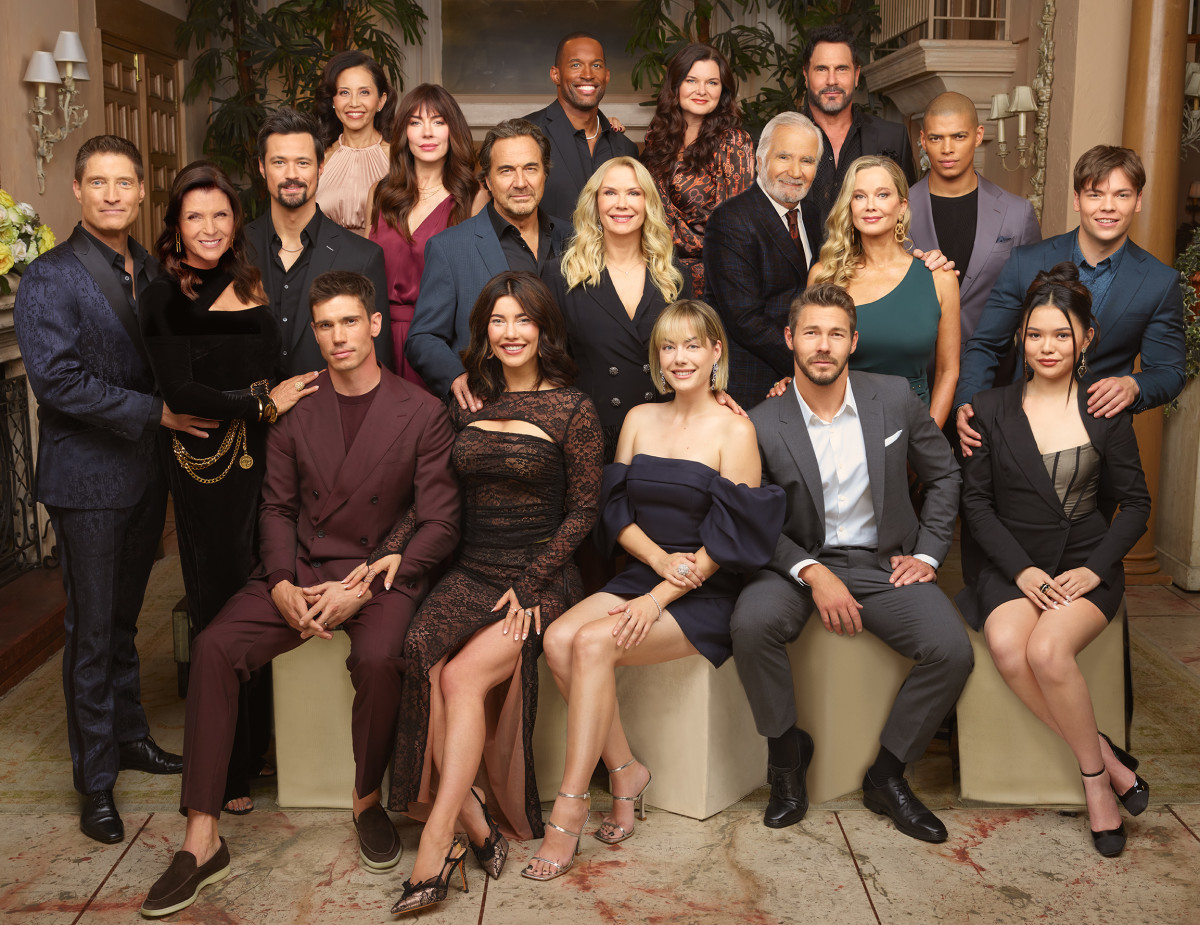
The ensemble cast of The Lord of the Rings trilogy defines modern fantasy cinema not just through box office records, but through a rare, lived-in authenticity. When Peter Jackson assembled his cast for the adaptation of J.R.R. Tolkien's legendary work, he avoided relying solely on bankable movie stars. Instead, he sought actors who could anchor mythic archetypes in emotional realism, turning a high-stakes blockbuster production into a masterclass in ensemble performance.
Search intent for this topic centers on understanding how the casting decisions, onset dynamics, and actor commitments shaped the enduring legacy of Middle-earth. The original competitor page glosses over concrete casting hurdles, misattributes actor roles, and misses key insights into how physical endurance on location forged the unbreakable chemistry seen on screen. This article breaks down the precise casting strategies, the grueling physical demands, the off-screen camaraderie, and the lasting industry impact of the fellowship.
The Strategic Vision Behind Middle-earth's Casting
Jackson's casting philosophy was rooted in contrast. He paired veteran stage actors with relative unknowns to create a hierarchy of experience that mirrored the narrative itself.
Sir Ian McKellen's casting as Gandalf was pivotal. McKellen brought classical training from the Royal Shakespeare Company, grounding a literal wizard in weary humanity. He balanced authority with warmth, ensuring the audience bought into a celestial being walking among dirt and mud.
Conversely, Elijah Wood was cast as Frodo Baggins when he was just nineteen years old. Wood didn't have decades of heavy dramatic credits behind him, but his expressive eyes and intense vulnerability fit the physical and psychological toll of carrying the One Ring.
Other key casting choices included:
- Viggo Mortensen: Stepped in at the last minute after Stuart Townsend departed, bringing a brooding, physically battered intensity to Aragorn that elevated the reluctant king trope.
- Sean Astin: Provided the moral anchor of the entire narrative as Samwise Gamgee, infusing ordinary loyalty with extraordinary emotional gravity.
- Christopher Lee: The only cast member who actually met J.R.R. Tolkien in person, bringing genuine academic reverence and terrifying presence to Saruman.
Grueling Physical Realities and On-Location Dedication
The authenticity of the trilogy stems directly from the punishing physical conditions the actors endured across New Zealand's rugged landscapes over sixteen months of principal photography.
Shooting in remote mountain ranges meant actors frequently had to be flown in by helicopter. Injuries were common. Viggo Mortensen chipped a tooth during the battle at Helm's Deep, broke two toes kicking an Orc helmet in The Fellowship of the Ring, and nearly drowned in a swollen river. Orlando Bloom cracked a rib after falling off a horse during early stunt training.
These weren't pampered stars insulated in air-conditioned soundstages. They trained with weapons experts for hours daily, hiked through treacherous terrain in full heavy armor, and wore prosthetic ears and wigs that required hours of morning application. This physical exhaustion bled directly into the performances, giving characters like Boromir, played by Sean Bean—who famously hiked up mountains in full costume rather than take the helicopter due to his fear of flying—a genuine weariness on camera.
The Chemistry of the Fellowship
Character dynamics on screen succeeded because off-screen bonds formed organically among the main cast. The core members of the Fellowship solidified their off-screen friendship by getting matching tattoos of the Elvish word for "nine" (nin) in Wellington after filming wrapped.
Mortensen, Bloom, and John Rhys-Davies (Gimli) frequently stood in for their respective stunt doubles during dangerous sequences, establishing a culture of mutual respect. This camaraderie transformed what could have been isolated performances into a synchronized ensemble. When characters argued or grieved, the emotional weight was supported by months of shared meals, grueling hikes, and mutual reliance in harsh weather.
According to a retrospective interview archive hosted by Empire Online, the actors frequently credited their shared isolation in New Zealand as the glue that kept the production grounded. Being far away from Hollywood studio interference allowed the cast to focus entirely on the text and physical craft.
Common Misconceptions About the Production
Audiences often assume the casting process was smooth and straightforward, but historical production records highlight several near-misses that could have altered cinema history:
- Alternative Aragorns: Daniel Day-Lewis was approached multiple times for the role of Aragorn but turned it down. Nicolas Cage was also considered early in development.
- The Scale Trick: Special effects weren't just digital. The production used forced perspective, full-scale double doubles, and dual-scale sets so actors of different fictional races could interact naturally without relying solely on post-production CGI scaling.
- Live Voice Work: Much of the dialogue heard in the final cuts was recorded live on windy mountain sets, requiring actors to project with intense vocal discipline rather than relying entirely on automated dialogue replacement (ADR) in a studio.
Legacy and Influence on Modern Ensembles
The success of the casting strategy in The Lord of the Rings changed how studios approach massive fantasy franchises. Instead of casting bankable pop-culture icons who pull viewers out of the narrative, modern casting directors often look for character actors with deep dramatic training who can disappear into complex lore.
The cultural footprint of the cast remains visible across global fan communities, major fantasy television adaptations, and actor retrospectives. Their dedication established a benchmark for how ensemble casts must operate when adapting dense literary universes.
Frequently Asked Questions
Who was originally cast as Aragorn before Viggo Mortensen?
Stuart Townsend was originally cast and spent two months in rehearsal and early filming before Peter Jackson realized he was too young for the role. Viggo Mortensen replaced him days after arriving in New Zealand.
Did the cast really get matching tattoos?
Yes. Most of the actors who played members of the Fellowship—excluding John Rhys-Davies, whose stunt double got the tattoo instead—got the number nine tattooed in Tengwar script on various parts of their bodies.
How long did the main cast train before filming started?
Principal cast members underwent six to eight weeks of intensive boot camp in New Zealand, which included sword fighting, horse riding, dialect coaching, and multi-day survival hikes.
Why did Sean Bean refuse to take helicopters on set?
Sean Bean suffered from a severe fear of flying. During shoots in remote snowy peaks, he preferred to hike up the mountains in full Boromir costume and armor, sometimes taking ski lifts or walking an extra hour rather than board a helicopter.



